Section

Research

51 articles

100 Years of Picture-Forming Methods: Anthro-Niche or Influence?

100 Years of Picture-Forming Methods: Anthro-Niche or Influence?

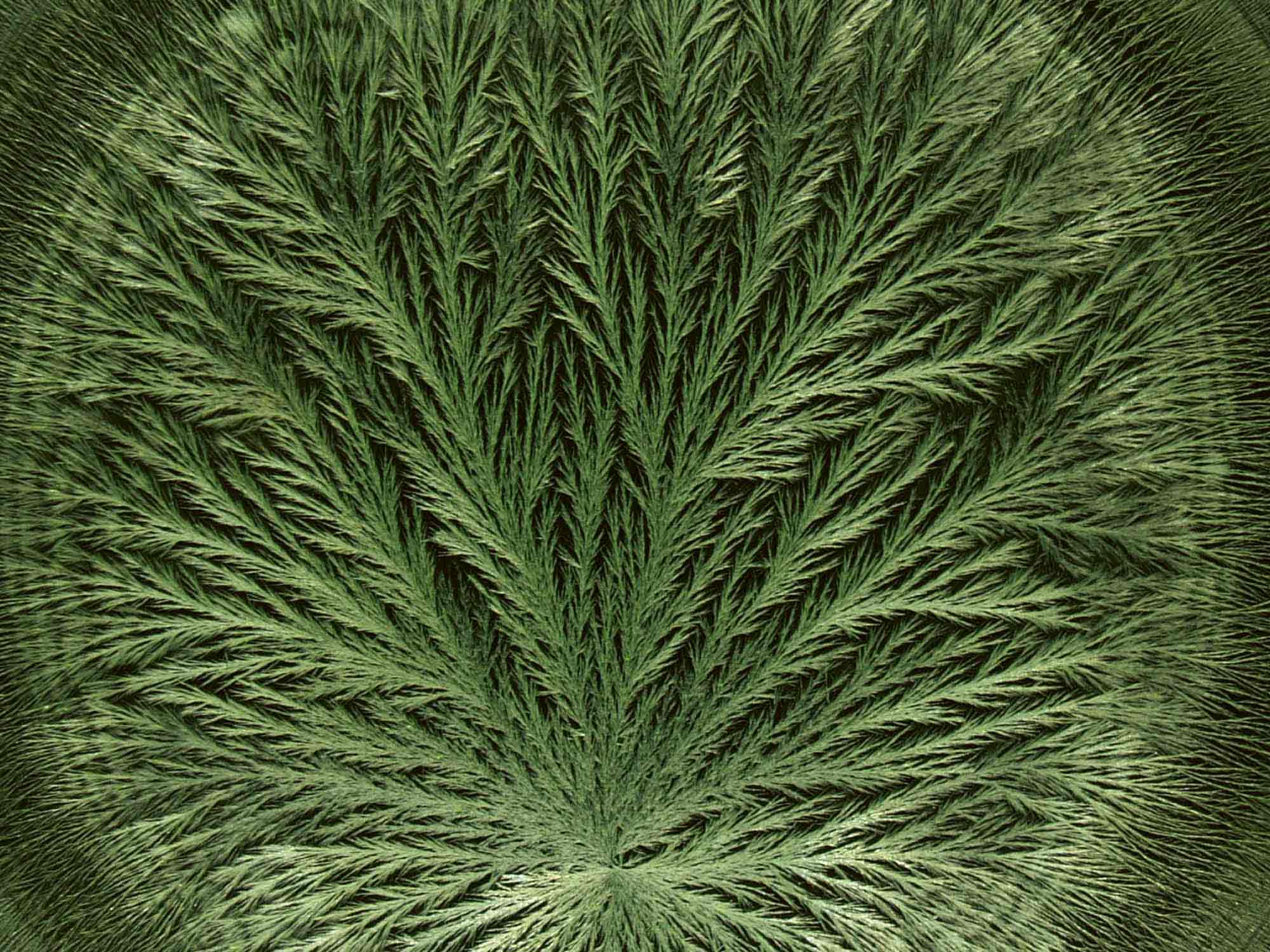
Picture-forming methods like copper chloride crystallization, capillary dynamolysis, and round picture chromatography are now entering the era of computerized image analysis. Is this an opportunity to shape human spiritual evolution? In our PhD work at the Society for Cancer Research, we use picture-forming analysis—a complementary research approach for quality investigation. There are several methods, but all of them create images with patterns and shapes that can be evaluated and analyzed to provide information about the quality of the tested sample.…

Paul Doesburg and Greta Guglielmetti · 13 November 2024 · 7 min
When Science and Art Play Together

When Science and Art Play Together

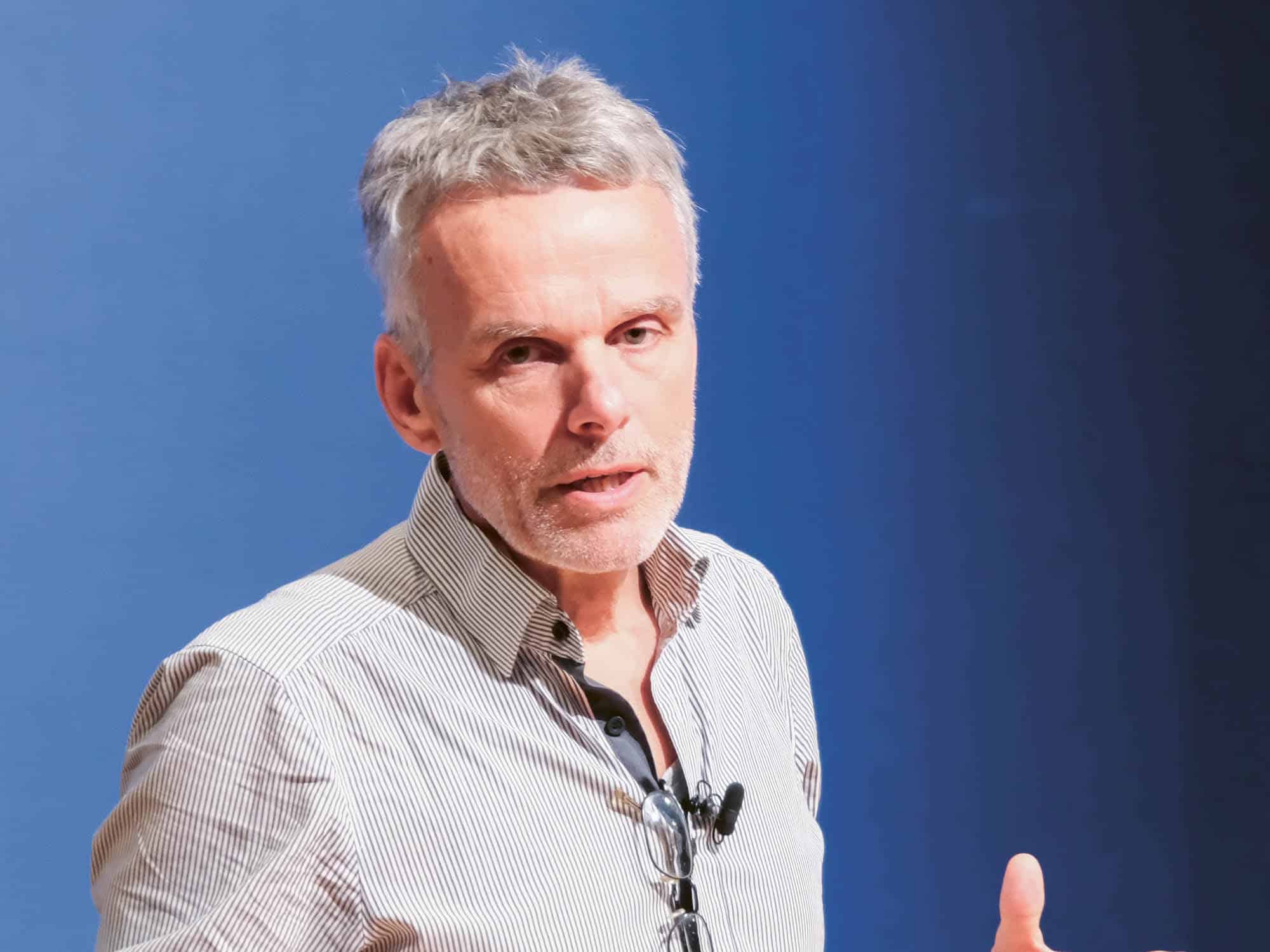
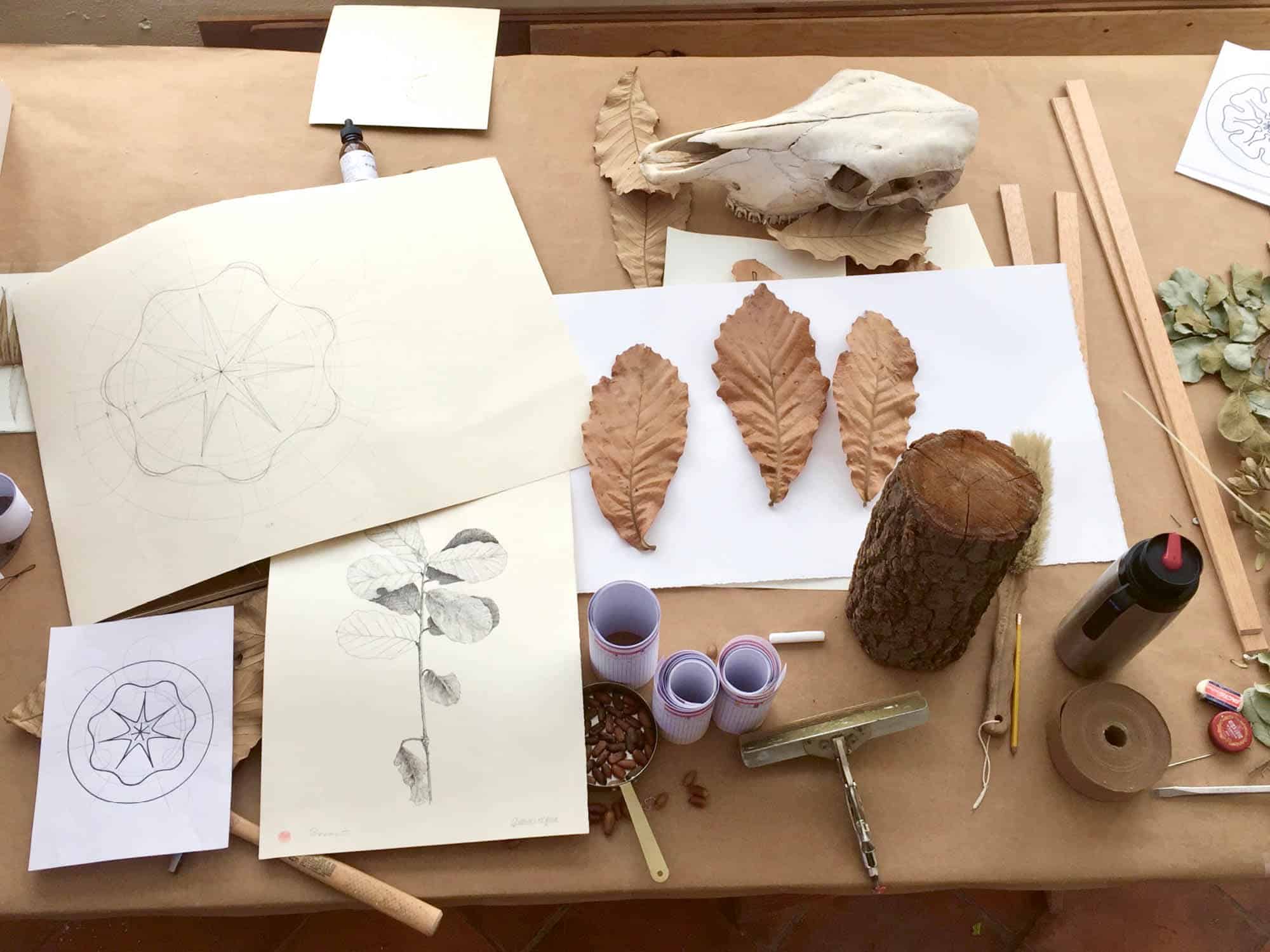
When art helps us deepen our understanding of nature, art becomes research. Eduardo Rincón, co-leader of the Agriculture Section, engages artistically and scientifically with his objects of study and talks about his oscillation between the two. He tells his story with science and art. Eduardo Rincón during his presentation at the conference. Photo: Johannes Kühl We grew up on a large farm in the high desert in central Mexico. My brother and I could ride the horses to the horizon…

Eduardo Rincón · 05 November 2024 · 10 min

The Preparations and the Soil Microbiome

The Preparations and the Soil Microbiome

How biodynamic preparations inoculate the soil. As a result of climate change, we’re finding that drought, cold, poor soil structure, and nutrient deficiencies in the soil have become major challenges (growth stress) for plants. The microbiome in the soil plays an important role in strengthening plants. The diversity of bacteria and fungi in the soil is particularly relevant. In conventional agriculture, there are attempts to inoculate the soil with certain bacteria and fungi that are beneficial for plant growth, known…

Jürgen Fritz · 05 November 2024 · 4 min

Novalis’ Karmic Individuality

Novalis’ Karmic Individuality

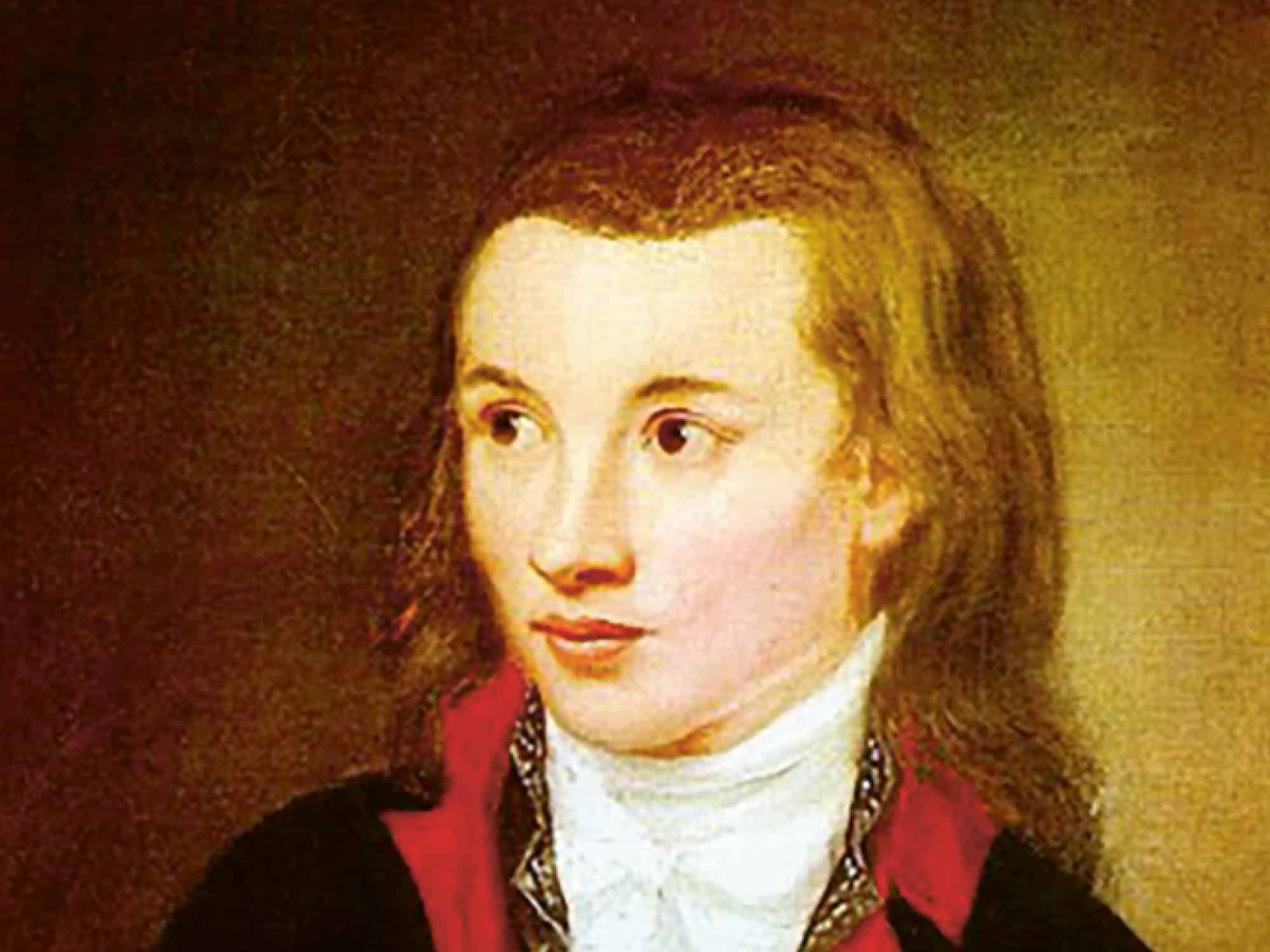
In 1924, Rudolf Steiner stepped up his presentations on the karmic past of individual entities and karmic laws and also spoke about the karma of the Anthroposophical Society. In his “Last Address” on September 28, 1924, he took a surprising step for his listeners: at the center of his presentation was the series of incarnations of the individuality of Novalis, whose earlier incarnations Rudolf Steiner found in Raphael, John the Baptist and Elijah. Rudolf Steiner had already spoken earlier about…

Christiane Haid · 03 October 2024 · 1 min

Of Medicine and Intuition

Of Medicine and Intuition

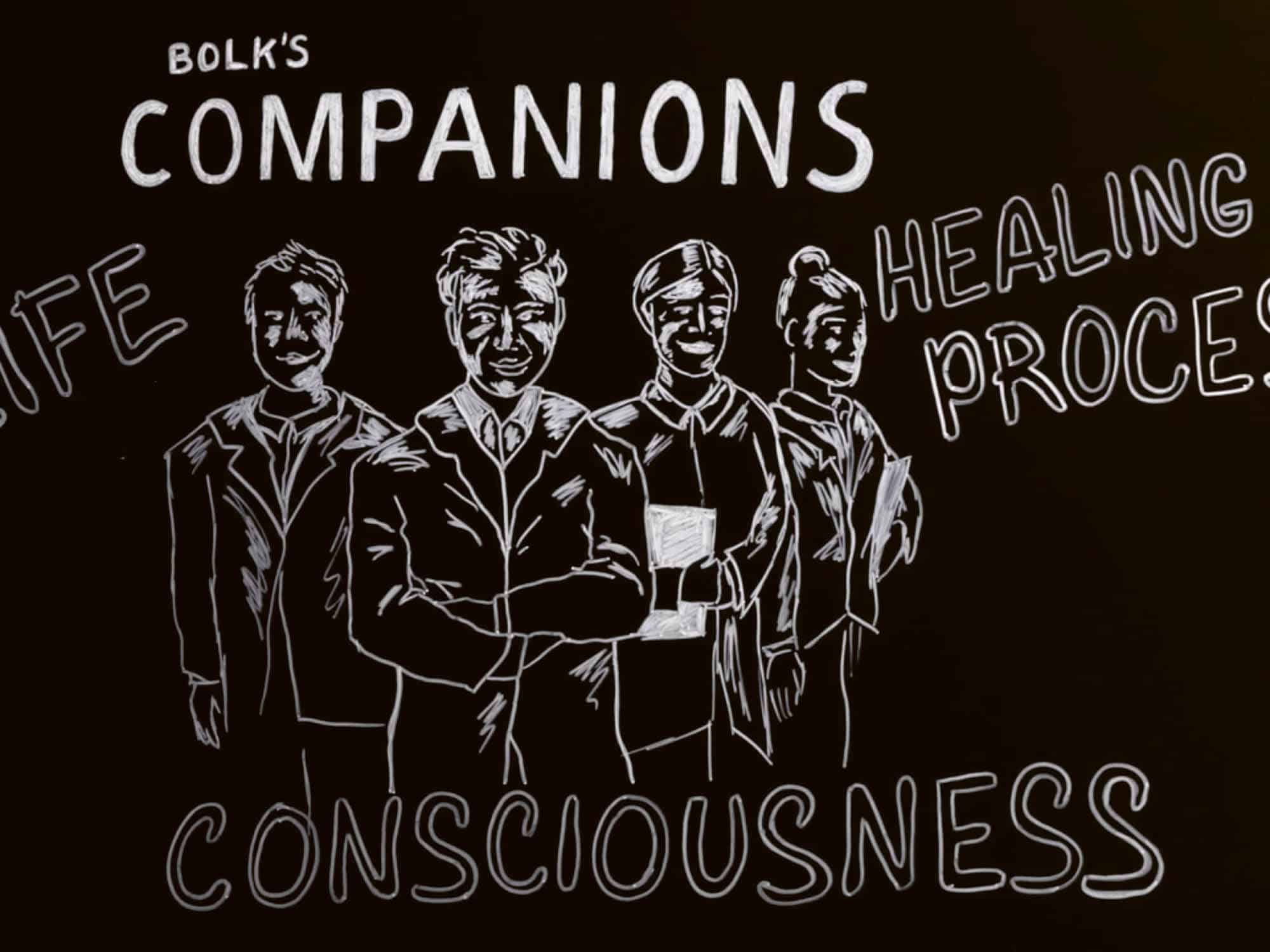
Driebergen-Rijsenburg, The Netherlands. A professional meeting of conventional medicine and anthroposophy. Bolk’s Companions is a group of Dutch doctors with different specialties. What unites them is a background in anthroposophic medicine and an interest in holistic research and practice that combines the reductionism of conventional medicine with a holistic view of the human being, pattern recognition, and clinical intuition. The initiative is named after the Dutch anatomy professor Louis Bolk, who used comparative scientific research methods to place his research…

Paula Boslau · 15 August 2024 · 1 min

An Indication for the Sense of Thought

An Indication for the Sense of Thought

Research results show that the brains of the speaker and listener are coupled. Is this evidence for the sense of thought? Rudolf Steiner describes the sense of thought as the sense of perceiving the thoughts of other human beings. This sense is especially cultivated, for example, when one reproduces the content of another human being’s speech before expressing one’s own opinion. The prevailing contemporary model for communication is based on the principle of the encoding and decoding of thoughts by…

Patrick Pfaehler · 15 August 2024 · 3 min

View of the Living and the Current Philosophy of Biology

View of the Living and the Current Philosophy of Biology

Goethe uses the expression “seeing with spiritual eyes” to characterize his imaginative view of the living organism. On the basis of Rudolf Steiner’s indications and with many years of experience, this can be described and practiced quite concretely. Even outside anthroposophical circles, the question of the view of the living organism is highly topical today. Here is some background information. In the second half of the 20th century, the question of the essence and evolution of living things seemed to…

Christoph Hueck · 18 July 2024 · 4 min

Otto Erich Hartleben and Rudolf Steiner—Part 1: In Weimar

Otto Erich Hartleben and Rudolf Steiner—Part 1: In Weimar

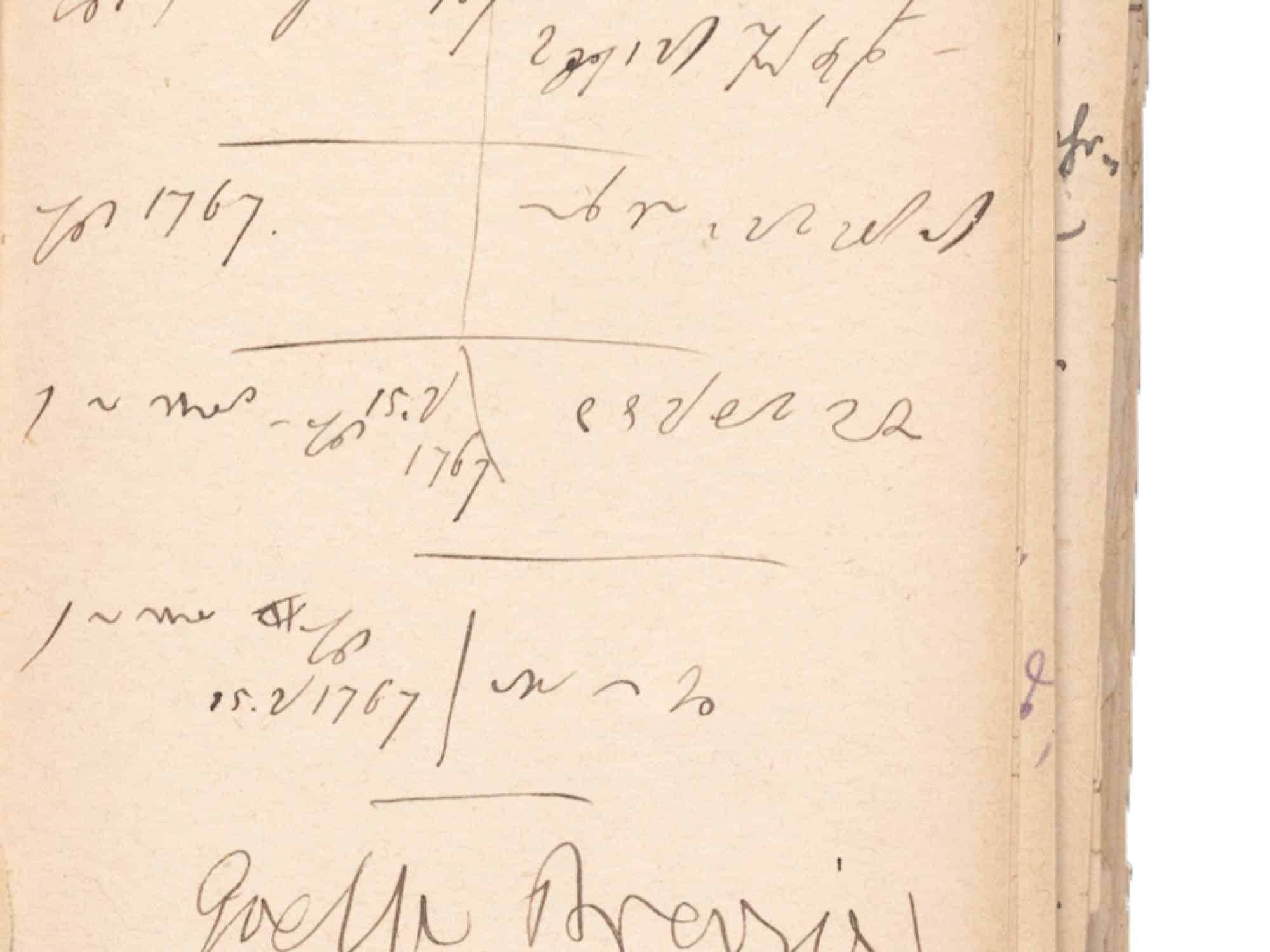
Rudolf Steiner met the poet and bon vivant Otto Erich Hartleben (1864–1905) in Weimar, together with whom, for several years, he would later publish the Magazin für Litteratur [Magazine for Literature]. Hartleben was known for his “wet and wonderful” lifestyle. It’s said that he paid extensive homage to Dionysus and Eros. Hartleben had initially studied law at the request of his grandfather, with whom he had grown up after the early death of his parents, and worked briefly as a…

Martina Maria Sam · 18 July 2024 · 9 min

Woven and Entangled

Woven and Entangled

The main characteristic of life is to communicate, to build social relationships, and to network. A fantastic variety of tiny organisms pulsate in the soil. They enable plants, animals, and humans to survive. Microbes were already on Earth a few billion years before other life developed. They “invented” almost everything that makes up life—cellular respiration, cellular communication, and the formation of dynamic networks, for example. Every plant has a microbiome—a community of microorganisms—in its root area. This is by no…

Florianne Koechlin · 18 July 2024 · 3 min

Marie Steiner-von Sivers as a Pioneer of the Stage

Marie Steiner-von Sivers as a Pioneer of the Stage

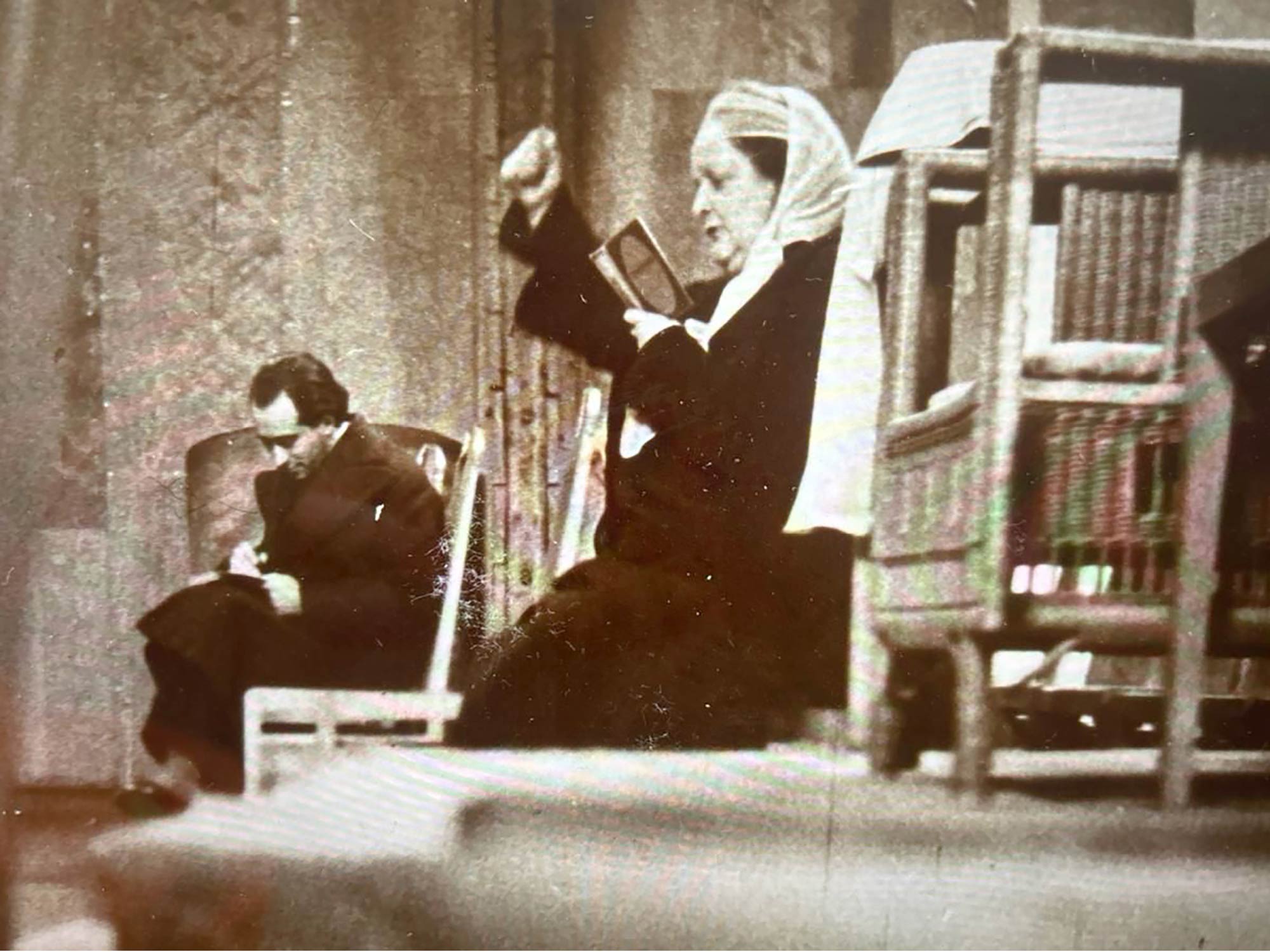
Marie Steiner-von Sivers, a trained actor, worked tirelessly with Rudolf Steiner over the years leading up to the “Dramatic Course” of 1924. After the course and Rudolf Steiner’s death six months later, Marie Steiner continued her artistic quest with incomparable intensity and in a new form: as a pioneer of the art of directing. Marie Steiner-von Sivers learned the art of the stage between 1894 and 1901 through three cultures, three cities, three women, three styles, and three stories. She…

Gaia Termopoli · 14 June 2024 · 6 min

Our Cosmic Heart?

Our Cosmic Heart?

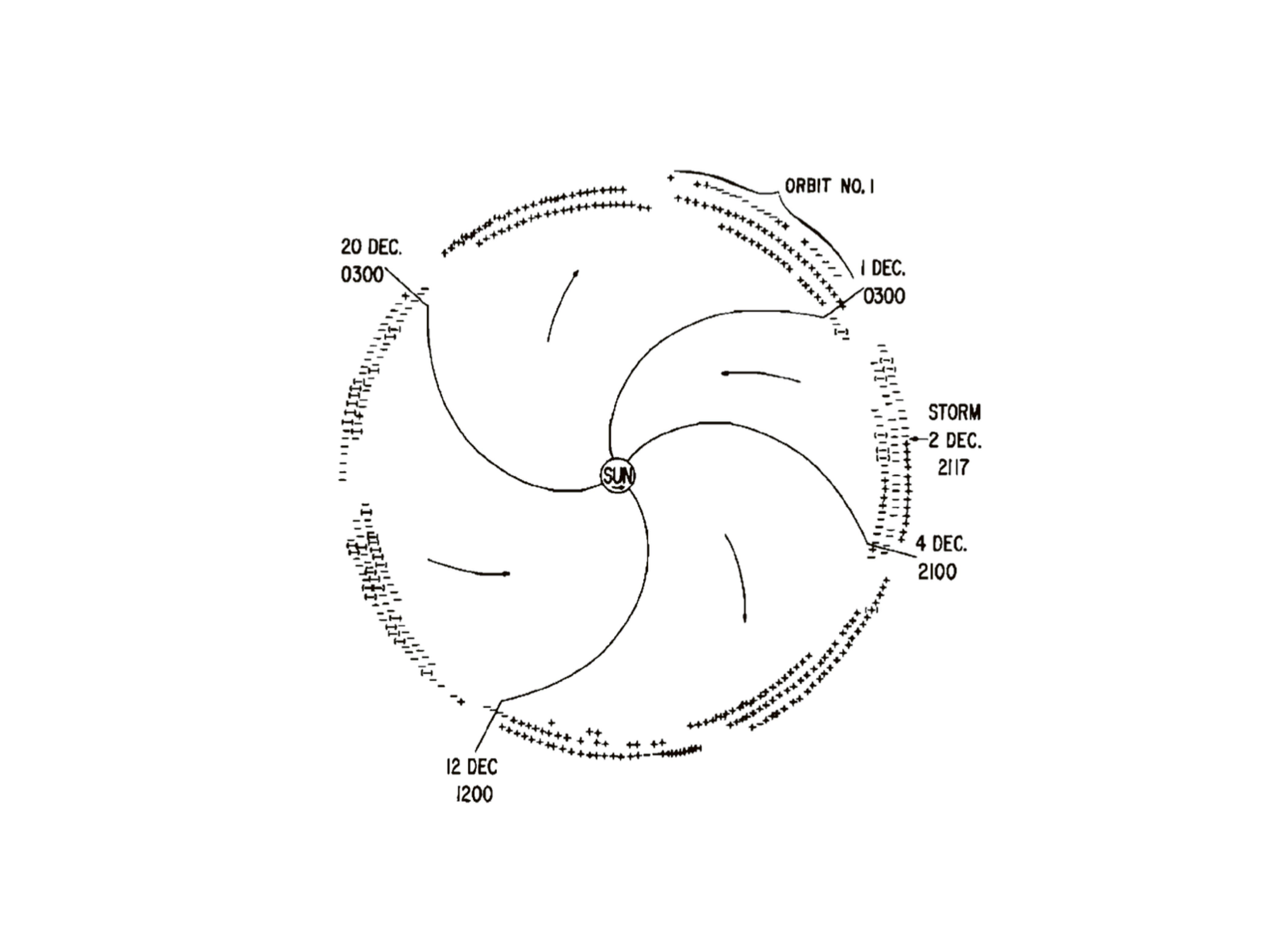
Similar methods are used to measure the electromagnetic fields that help us understand the heart and understand the sun. Space probes are being sent to the sun to determine the structure of these fields. Do these fields reveal invisible shaping forces? The electromagnetic fields of the sun, along with so-called plasma currents, i.e. electrically charged gas particles, reveal structures reminiscent of the spiral forms of the main heart muscles, of the to-and-fro of our blood through its four chambers, and…

David Auerbach · 23 May 2024 · 5 min