Section

Essay

156 articles

Rare Earths—Hidden Earths

Rare Earths—Hidden Earths

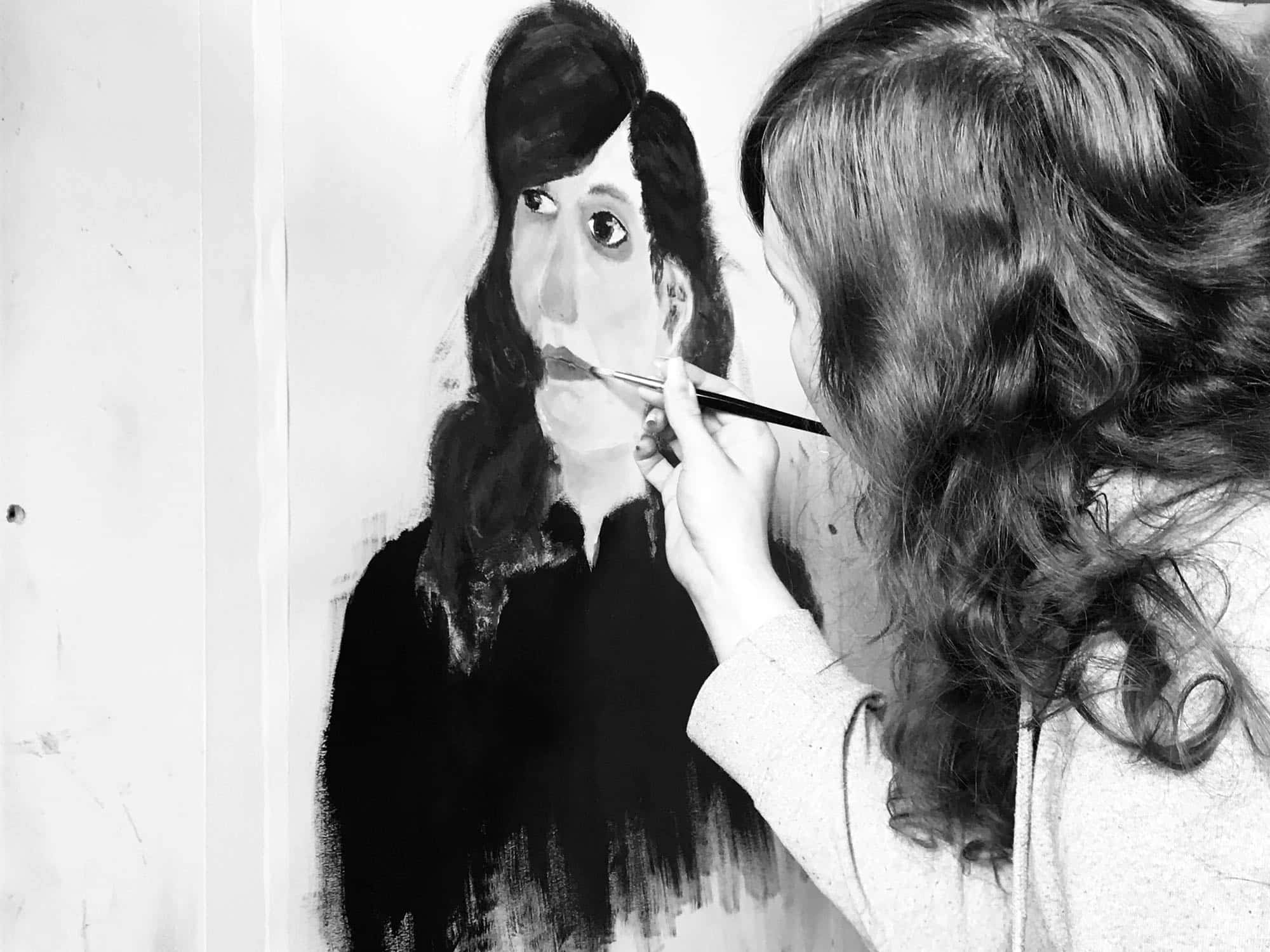
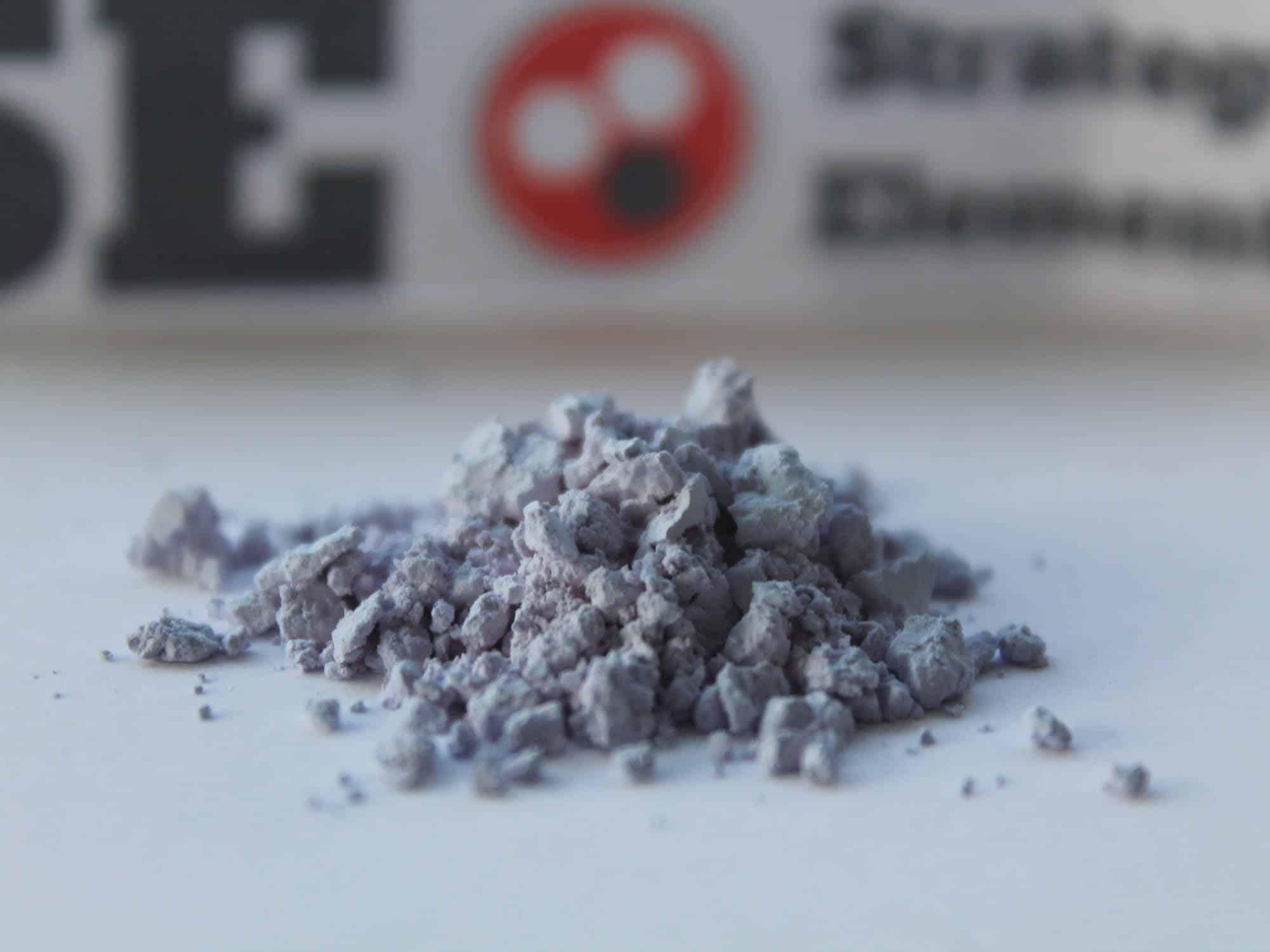
Chemistry and the social sciences belong together. Reality emerges from the combination of different perspectives. In the third natural science course that Rudolf Steiner held in 1921 on the subject of the relationship of the various scientific fields to astronomy, he encouraged people to discuss scientific fields that were traditionally separated from one another. The limited perspective of specialist scientists, who only understand their own field, remains on the surface of the world and does not permit penetration into reality…

Martin Errenst · 15 August 2024 · 3 min

Six Gestures of Communication and the Acting ‘I’

Six Gestures of Communication and the Acting ‘I’

The “revelations of speech” from Rudolf Steiner’s Speech and Drama course help us better understand our communication patterns. Dietrich von Bonin has developed these into six speech gestures that can be used as tools for an acting ‘I’. Even infants demonstrate their interest in things in the outside world through meaningful gestures. Throughout the course of a child’s development, these gestures become increasingly differentiated within the tension field between extraverted effectiveness and introverted distancing—they call forth polar images of themselves,…

Dietrich von Bonin · 15 August 2024 · 12 min

The New Pollution

The New Pollution

Humans have started to incorporate their intelligence into machines and will be left standing on the sidelines as fools, with their machines ultimately coming back at them. — Rudolf Steiner (GA 202) If adequate precautions and controls based on a fundamental understanding of the biological effects of electromagnetic radiation are not introduced in the near future, humanity will enter an age of environmental energy pollution comparable to the chemical pollution of today. The US government recognized this as early as…

Otto Ulrich · 15 August 2024 · 5 min

Thinking Is Presence in the Spirit

Thinking Is Presence in the Spirit

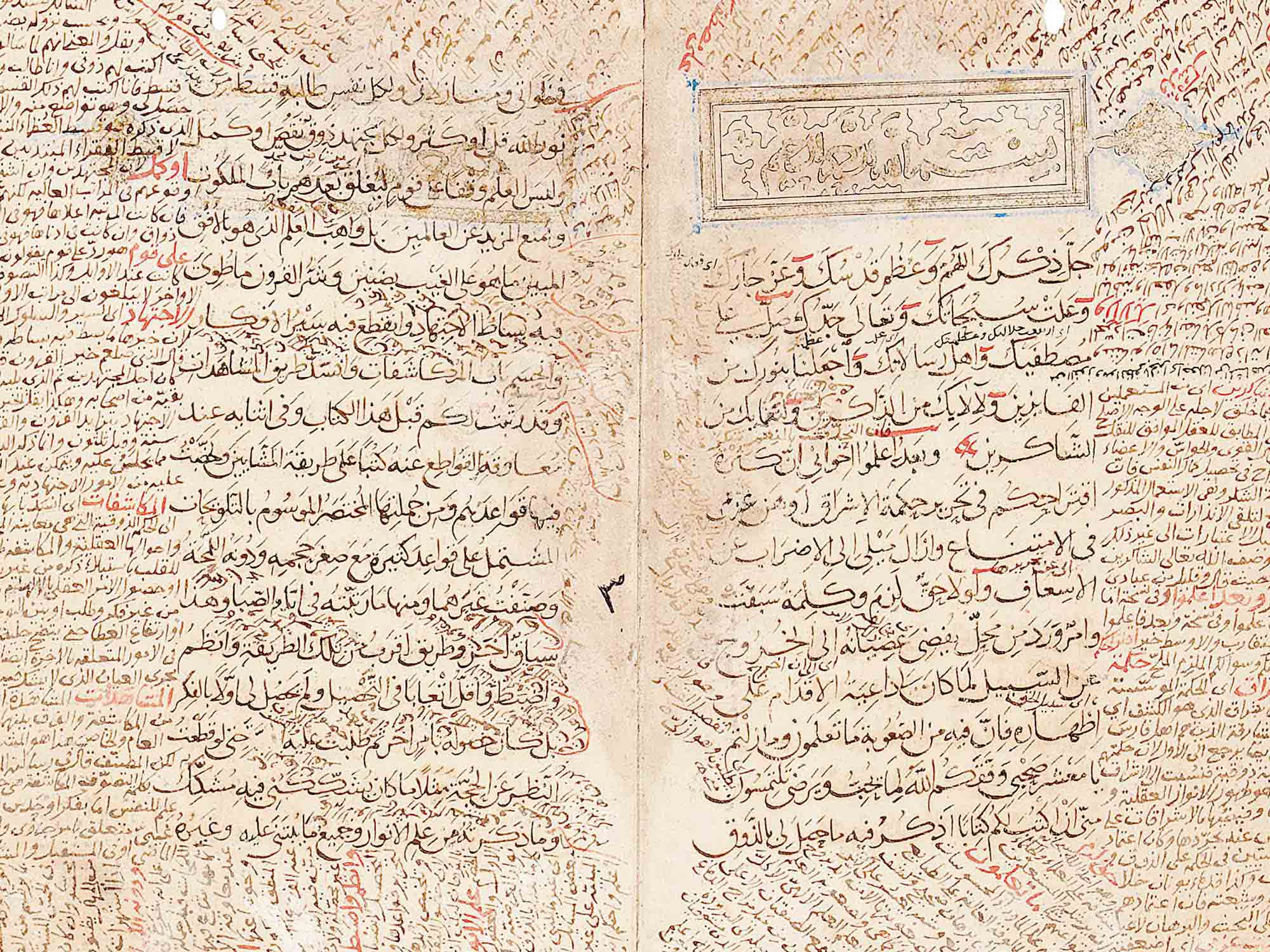
Mehdi Ha’iri Yazdi investigated the ‘I’ and created a bridge between philosophy and religion through his thinking. What is thinking? What is its purpose? What does thinking mean in the totality of human nature and in the whole plan of creation? Mehdi Ha’iri Yazdi (1923–1999) pursues these questions in a profound and independent way, distinct from what developed in the Western world since Descartes, mainly in discursive thinking. He was born in Iran and grew up in a family of…

Christine Gruwez · 02 August 2024 · 12 min

Goethe’s Imaginative Journey to the Orient

Goethe’s Imaginative Journey to the Orient

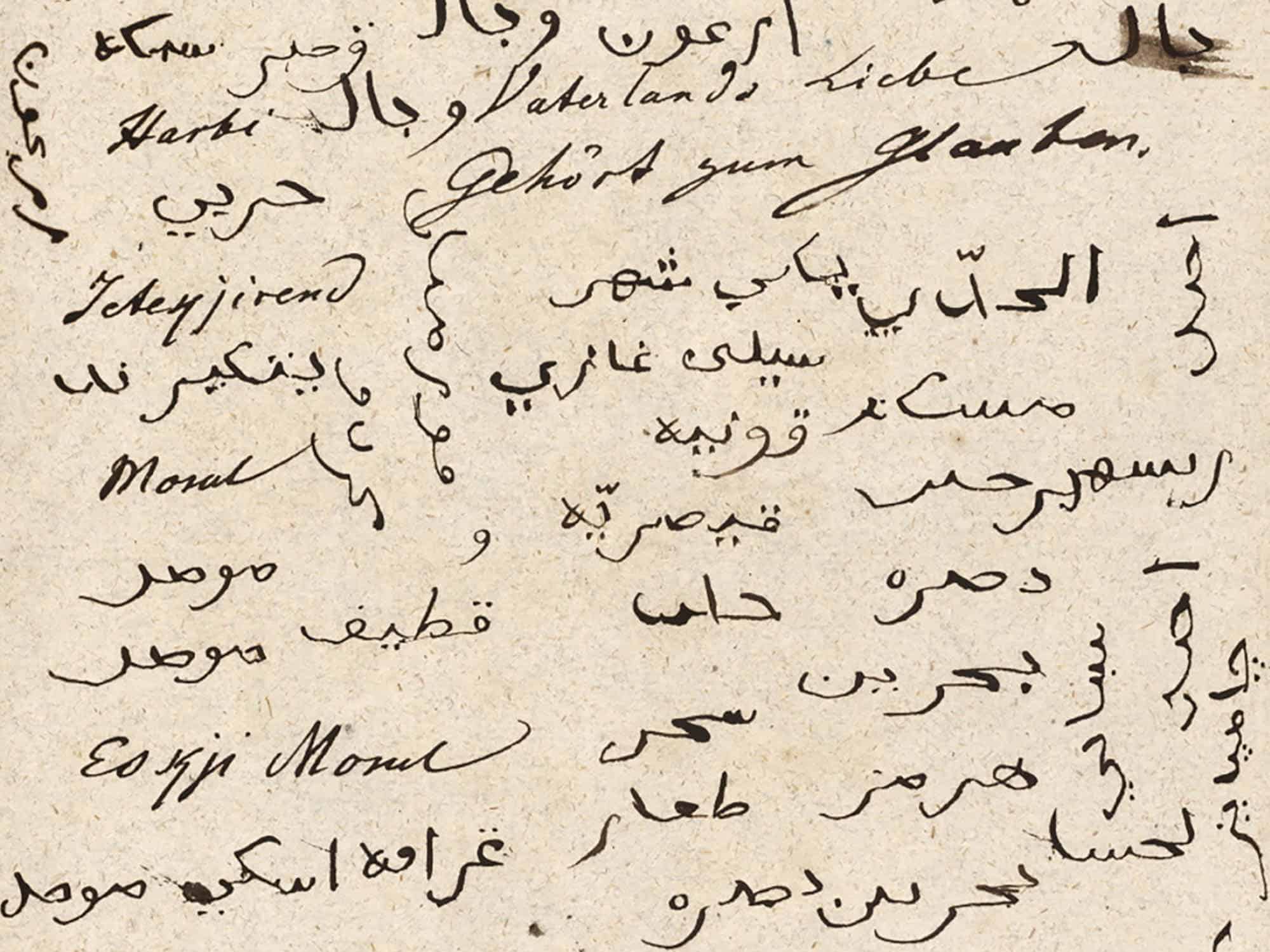
Goethe maintained a lifelong interest in foreign cultures, particularly in their literature. He engaged deeply with the “oriental,” Indian, Chinese, and ancient Iranian or Persian-Islamic cultures. Iris Hennigfeld One of the fundamental characteristics of Goethe’s work is that he is able to establish a fruitful and, in this sense, “true” relationship with his literary and scientific predecessors and contemporaries, primarily through his own productivity but sometimes even by means of the greatest opposition (as in the case of Carl von…

Iris Hennigfeld · 02 August 2024 · 18 min

Europa, or the Drama of the Free Spirit

Europa, or the Drama of the Free Spirit

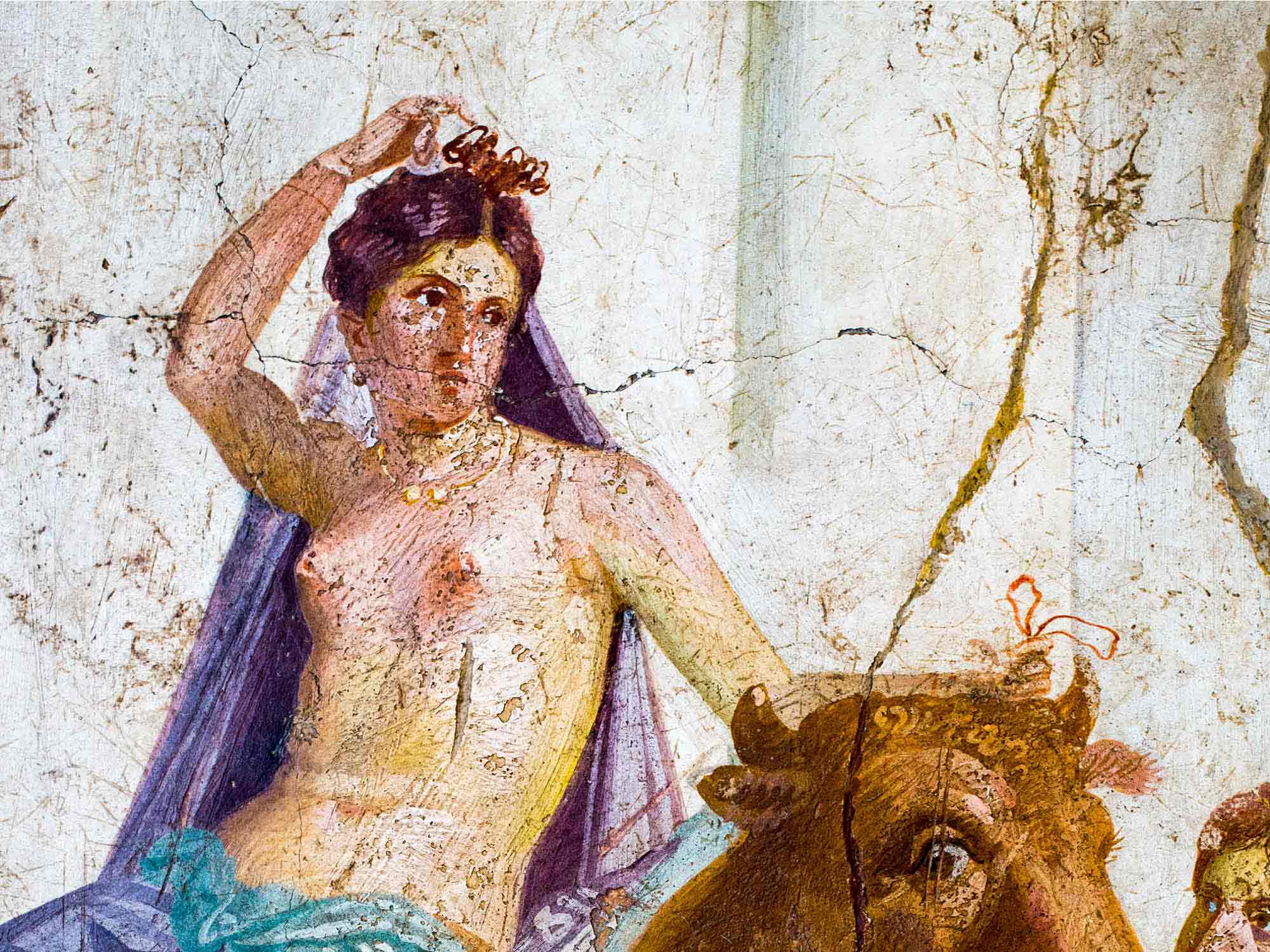
Europe is experiencing a crisis, economically, politically, culturally, and spiritually. Perhaps the deeper meaning of the concept “Europa” has never before proved as enigmatic as it does today, between the burden of past debts and dreams (nightmares?), alleged newly acquired power, and a longing for cultural greatness. Salvatore Lavecchia Our present is, in a word, an apocalypse, apokálupsis: it wants to unveil, or is an unveiling (the literal meaning of the Greek word) and will reveal something new. This means…

Salvatore Lavecchia · 02 August 2024 · 13 min

Feeling Self-Knowledge: Counteracting the Alienation of Human Beings from the World

Feeling Self-Knowledge: Counteracting the Alienation of Human Beings from the World

Geniuses and people needing support have one thing in common: the unconditionality with which they deal with conditions. For some, the unconditional—the absolute—has such a powerful effect on the conditions of existence, that the conditional becomes transparent to the invisible that shapes and determines the visible. For others, the conditions of existence are so narrow and specific that they need support and accompaniment in order to maintain their existence at all, and—precisely, by way of this special arrangement—they bring forth…

Bodo von Plato · 04 July 2024 · 4 min

I and the True

I and the True

The truth of the ‘I’ works in the true. The true becomes true in the ‘I’. Would the presence of the true, and with it the truth, be possible if I were not present as an ‘I’ that encounters the true through my own perceiving consciousness? Is it at all possible to think the true if I—a wakeful consciousness that can make itself present, can know itself, in the encounter with the true—if I don’t think together with the true,…

Salvatore Lavecchia · 21 June 2024 · 6 min

Through the Eye of Beauty

Through the Eye of Beauty

I look at the beautiful, and the beautiful looks at me—this is how our present is created. “And beauty lies exhausted in the streets,” says a song by Nick Cave. Homeless, unnoticed, rushed, exhausted, and tired, beauty lies on the side of the road and perhaps no longer feels itself. Yes, that’s how I also feel sometimes in the confusion and congestion of our times, when I can’t feel myself in the dimension of beautifulness. A dullness and narrowness have…

Gilda Bartel · 21 June 2024 · 5 min

The Body Becomes Word

The Body Becomes Word

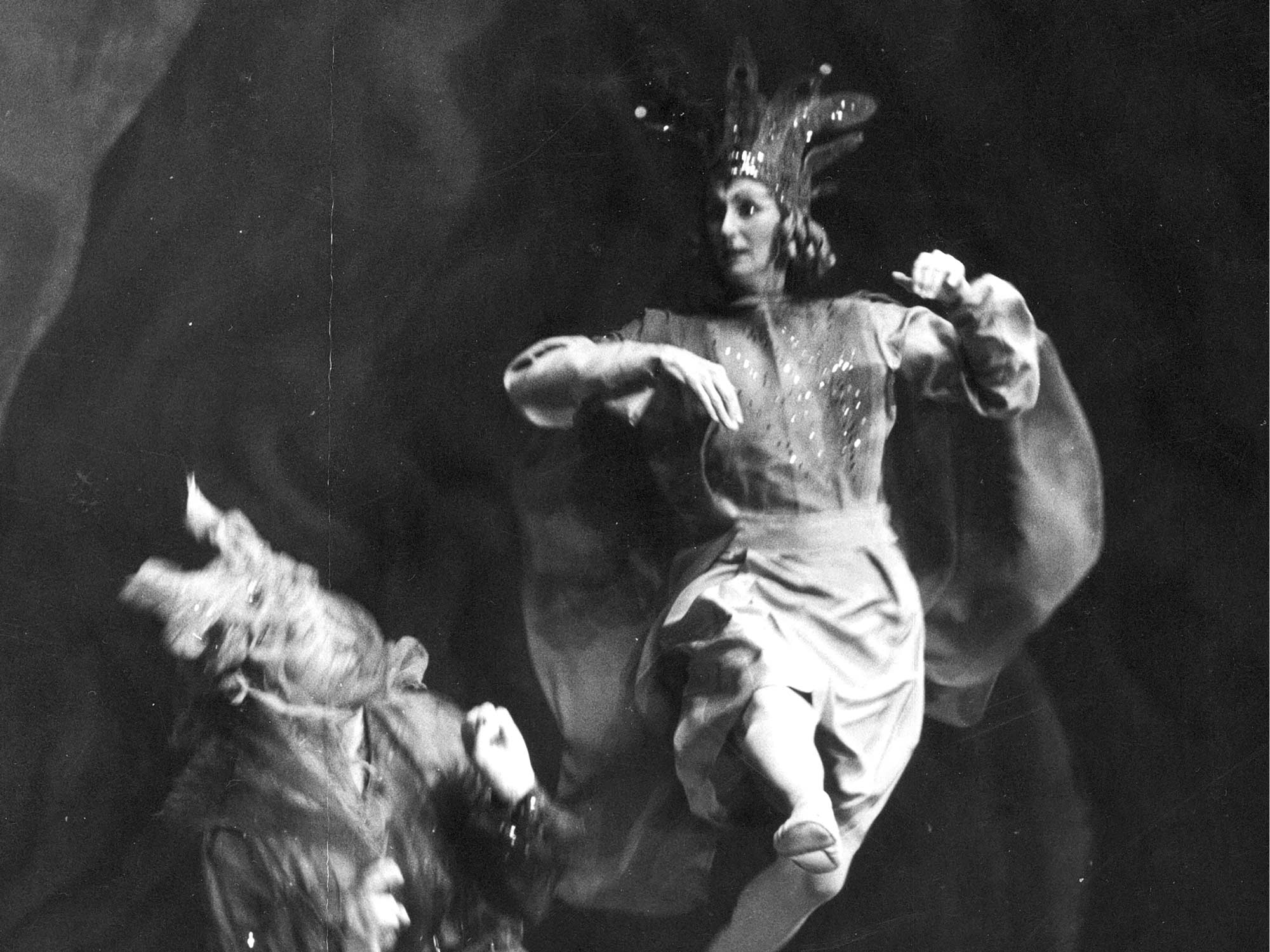
There was deep mystery wisdom expressed in what Rudolf Steiner gave at the end of his life: 19 lectures on theatre that offered the possibility for an artistic revelation of his teachings on reincarnation and karma. The five Greek Olympic disciplines, which Rudolf Steiner named as the basis for a contemporary theater, were intended to unite the actors with the modern Mysteries. This new form of initiation, which Steiner gave at the Christmas Conference in 1923/24, has its roots in…

Christopher Marcus · 14 June 2024 · 9 min

The End of Absolute Certainty

The End of Absolute Certainty

How we are engaging with the “transgender phenomenon” highlights a signature of our times: we have reached the end of certainty—we have arrived at diversity and complexity. This calls for a different awareness and a questioning of how we hold the dialogue with each other and with ourselves. Disgust, anger, indignation, defensiveness, fear, confusion, tenderness, concern, enthusiasm, and even joy. If a conversation about the transgender phenomenon can evoke this kind of spectrum of emotions, regardless of whether we are…

Gilda Bartel und Laura Liska · 07 June 2024 · 5 min