Section

Nature

338 articles

The Esoteric Botany of Hilma af Klint

The Esoteric Botany of Hilma af Klint

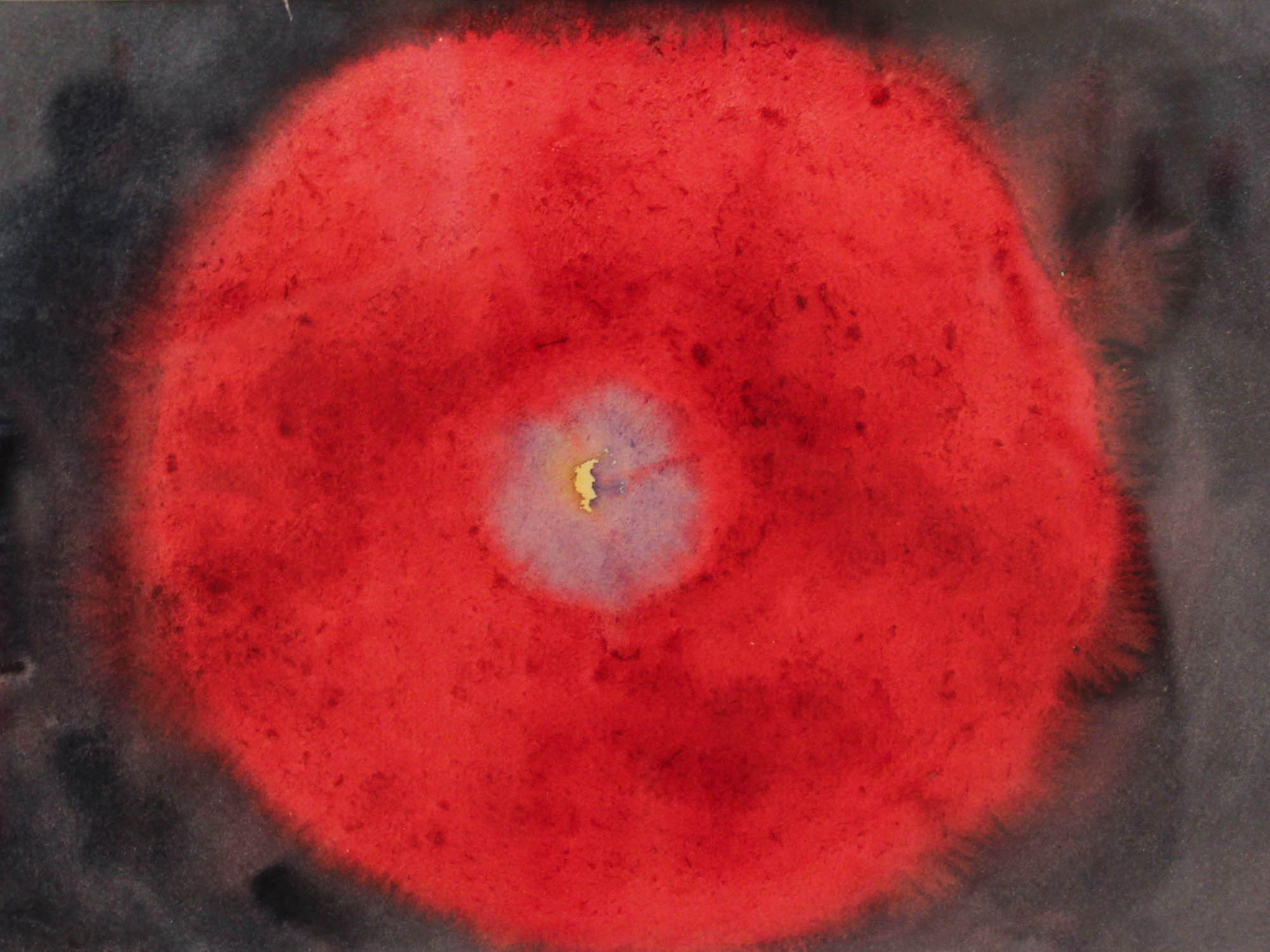
An excerpt of a lecture given at the opening of a Hilma af Klint exhibit at Lightforms in Hudson, New York, on March 8, 2020, by David Adams, Ph.D. When her mother died in 1920, af Klint felt more free to travel and in September began to undertake regular journeys to Dornach, where she joined the Anthroposophical Society. Over eight or nine separate visits from 1920 to 1925 (the year of Steiner’s death) she spent altogether more than a year…

David Adams · 26 May 2023 · 8 min
Intuition in Science, Pt. 1

Intuition in Science, Pt. 1

Children love to play the game of asking «Why?» without end. Perhaps this is the beginning of the scientific mind. Certain questions have ceased to be asked, though, because they no longer fit within the framework of contemporary science or philosophy. In the first part of this multi-part essay, Matthew Kenyon, a senior technologist at NASA’s Jet Propulsion Laboratory and longtime student of Anthroposophy, traces the history of philosophy that has led to the way the scientific community asks its…

Matthew Kenyon · 12 May 2023 · 13 min

Ascension Conference Penmaenmawr

Ascension Conference Penmaenmawr

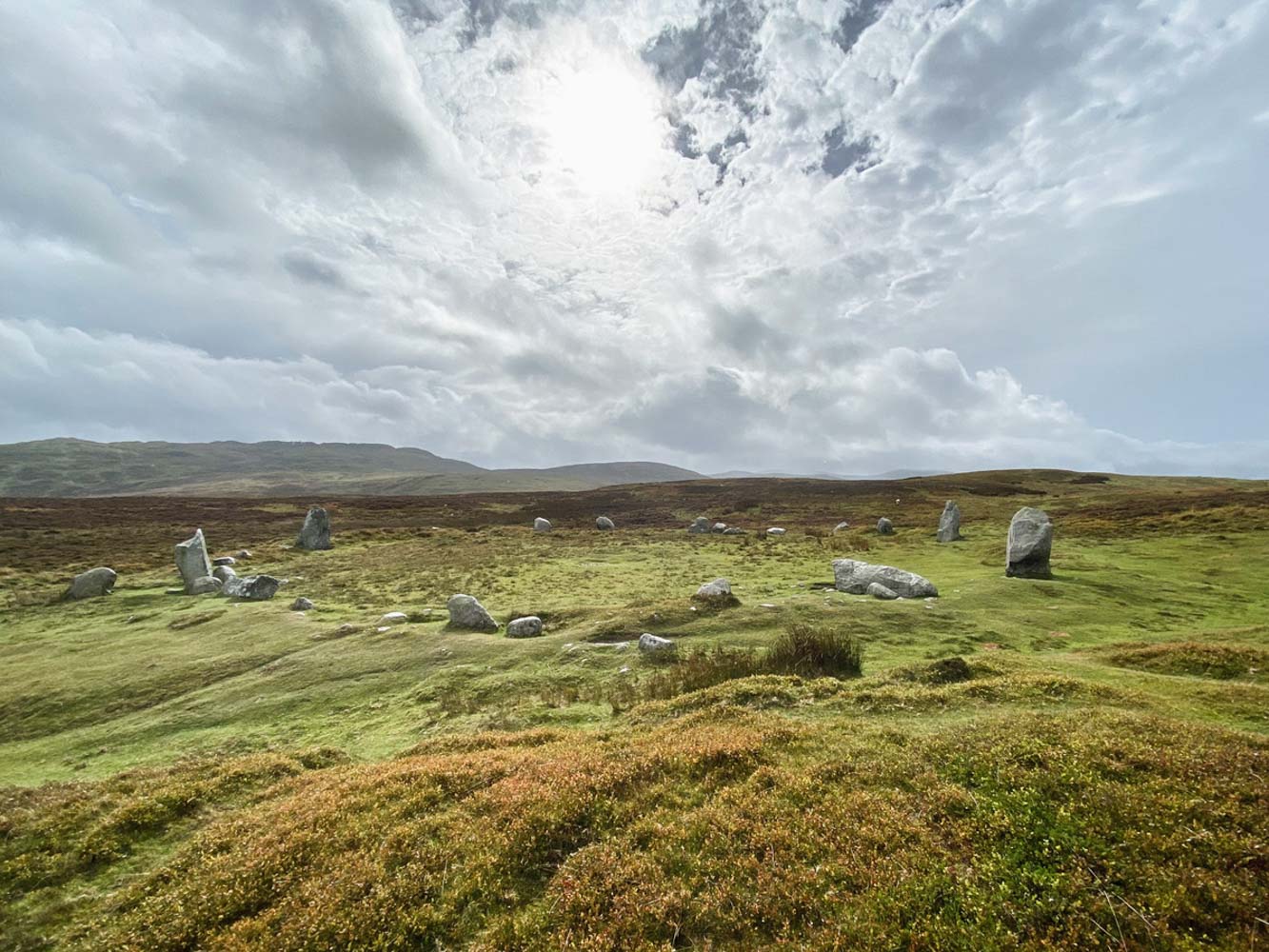
The Visual Art Section is organizing a conference in Great Britain at Ascension on the theme: «The Inspirations of Megalithic Culture and the Future Impulse of Anthroposophy». Rudolf Steiner visited Penmaenmawr and its surroundings, with its impressive megalithic stones, during a conference in August 1923, in the time between the burning of the first Goetheanum and the designing of the second one. In various lectures, Rudolf Steiner spoke about the special significance this place had for anthroposophical work, for example…

Redaktion · 12 May 2023 · 2 min

How Can Farms Successfully Continue?

How Can Farms Successfully Continue?

The Platform for Agricultural Socioeconomics analyses the transfer of family farms and identifies knowledge gaps and the need for action. The platform, which brings together scientific research with agricultural institutions and organizations, is critical of the the fact that the social dimension hardly ever features in the current debate on the transformation of agriculture. In a discussion paper, it has analyzed the generational change in family farms and the need for action regarding science, consultation, and politics. The work was…

Redaktion · 04 May 2023 · 1 min

Landing on Earth

Landing on Earth

What happens when the concepts we have formed no longer apply? When we say ‹nature›, but nature is not addressed or does not understand itself to be addressed? The sociologist and philosopher Bruno Latour, who died in October 2022, in one of his last works, developed the thesis that we have not yet landed on earth. He proposes a new political force that could break open and unite the hardened opposition between populists and progressives. The work appeared in 2017…

Johannes Nilo · 27 April 2023 · 13 min

The Self-Metamorphosis of the Researcher

The Self-Metamorphosis of the Researcher

Self-education is a recurring theme in Goethe’s work, for example in his Bildungsromane and plays. However, this dimension of inner development is less known in the context of his scientific research. Iris Henningfeld shares her research in this field here and gives an inspiring insight into the connection between self-development and the process of cognition in Goethe’s sense. It is an approach to cognition that encourages rootedness in the earthly world and sensory experience, but at the same time also…

Iris Hennigfeld · 27 April 2023 · 17 min

Preserving the dignity of animals

Preserving the dignity of animals

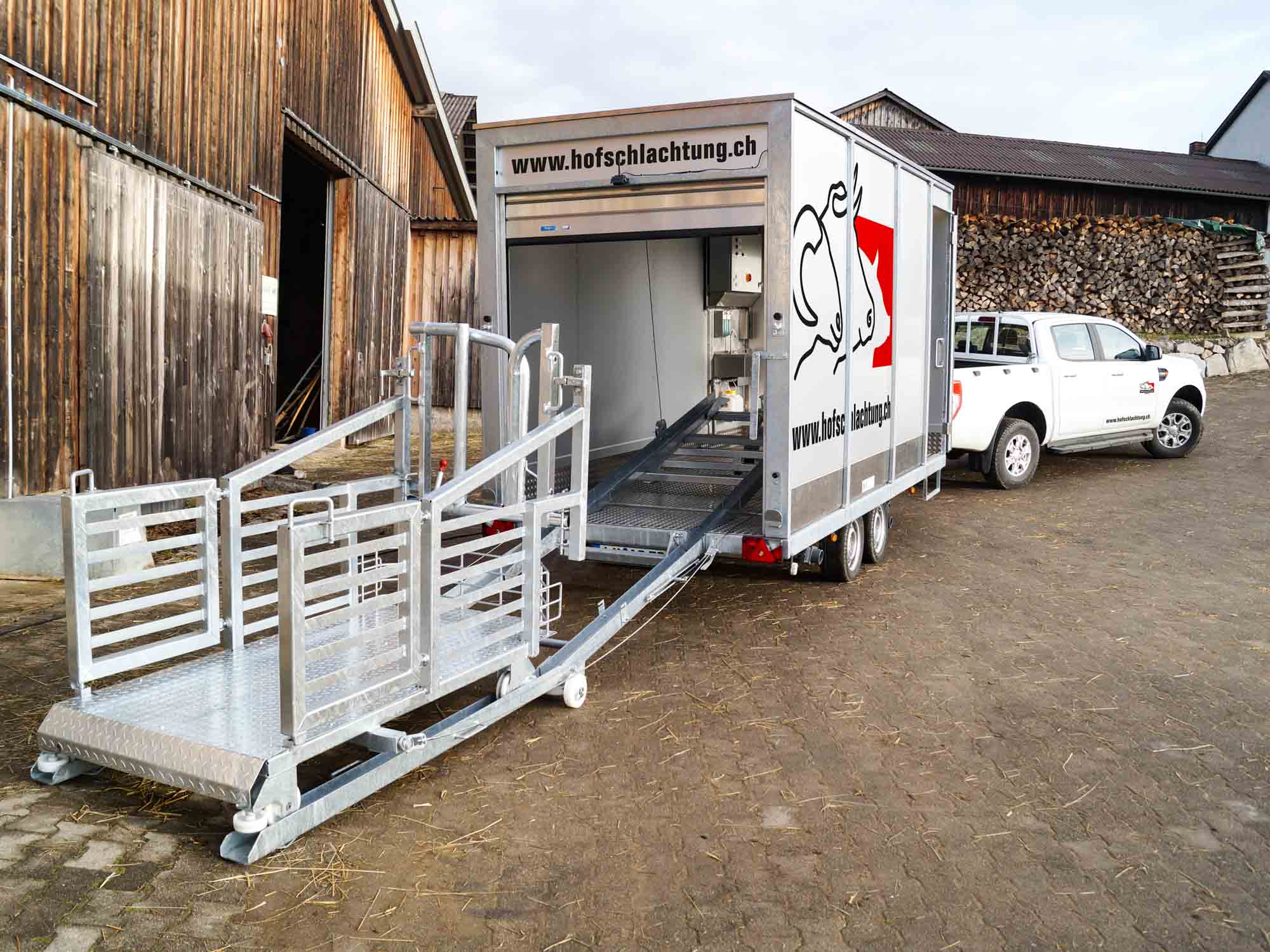
Meeting the natural needs of an animal – from breeding to slaughter. Demeter prescribes best animal husbandry practices for farm-based production enterprises. Specialized farms that are smaller than 40 hectares are exempt from this. Ruminants, due to their manure, ensure that the material cycle is closed – they also enrich life on a farm with their different dispositions. How does an animal end its life? This question is one of the great concerns of producers. At the end of its…

Redaktion · 27 April 2023 · 2 min

Protecting the Oceans

Protecting the Oceans

An agreement by the UN community of states on a new treaty aims to protect the world’s oceans. The world’s oceans cover about seventy percent of our planet’s surface and include inshore and offshore areas, the high seas. It is the largest fairly uniform habitat in the biosphere, extending from the sea surface to the deep sea at 11,000 metres with an average depth of about 3,700 metres. The high seas cover two-thirds of the world’s oceans and thus more…

Meinhard Simon · 14 April 2023 · 5 min

The African Woman is the Backbone

The African Woman is the Backbone

At the Biodynamics conference in February, there was a panel discussion entitled, ‹Women as Pioneers in Biodynamics: Past, Present, and Future›, which featured Alysoun Bolger, Arizona Muse, Christine Saahs, Sherry Wildfeuer, and was moderated by Lin Bautze. Maaianne Knuth shared her thoughts and experiences about Biodynamics and Women in Africa. My name is Maaianne, and I’m from the Kufunda Learning Village. I’m of Danish and Zimbabwean descent. My father was Danish, a librarian, and my mother, a journalist, was Zimbabwean.…

Maaianne Knuth · 14 April 2023 · 6 min

Intelligence Without a Brain

Intelligence Without a Brain

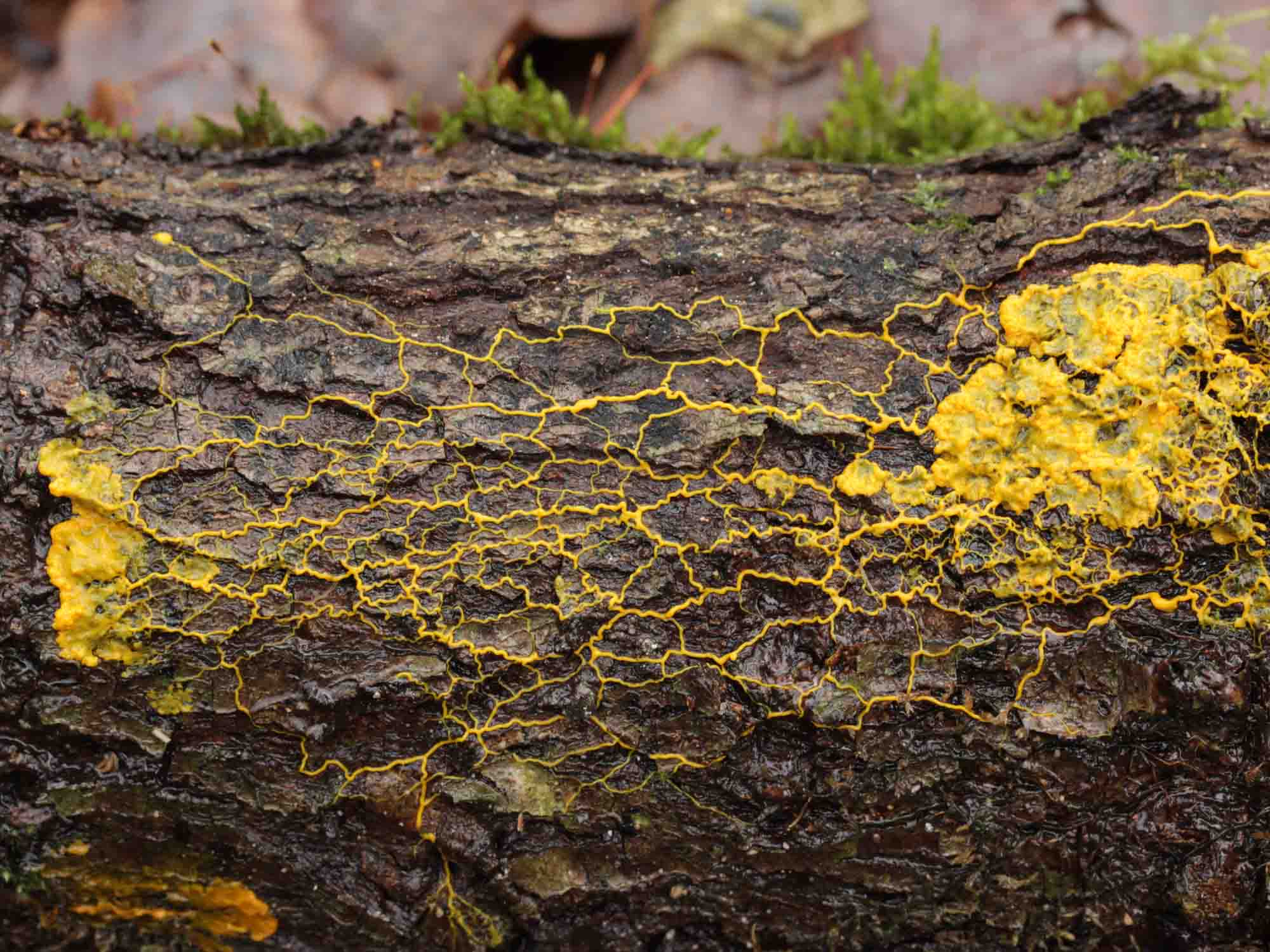
What is bright yellow, eats oats as its favourite food, does not like coffee, learns without a brain – even composes music , feels without nerves, moves without legs, heals itself, has 719 sexual partners with whom it can mate , can share its knowledge with others of its kind, and yet is neither a plant nor an animal nor a fungus? What recently even serves as a power source for a wristwatch with a heart rhythm monito Would you…

David Auerbach · 30 March 2023 · 5 min

Portraits at the Biodynamics Conference

Portraits at the Biodynamics Conference

Four small portraits of participants in the Agricultural Conference this February. Questions asked by Charlie Cross. Jan Moser Jan Moser – A Young Winemaker from Austria I’m a winemaker living in Austria, but originally coming from the Czech Republic. I’m also working for the Demeter Office in the Czech Republic and Slovakia. I first studied finance, and I used to work as a financial auditor, but when I turned 30, I just didn’t feel like I was doing what I…

Jan Moser, Peerachote Charanwong, Will Bratton und Rapha Arcanjo · 23 March 2023 · 9 min