Section

Essay

156 articles

Does Time Exist?

Does Time Exist?

Theoretical physicists have long argued that time is not real—that it is an illusion. This view logically follows the conception of space and time as a unified, four-dimensional “space-time continuum,” introduced by Hermann Minkowski and used by Albert Einstein to formulate his theories of relativity. Because the General Theory of Relativity has not yet been successfully combined with quantum theory into a unified “theory of everything,” some physicists have seriously considered abolishing time as a reality. This position makes sense…

Michael Jacobi · 09 October 2025 · 16 min

Evil is an Experience, not a Thing

Evil is an Experience, not a Thing

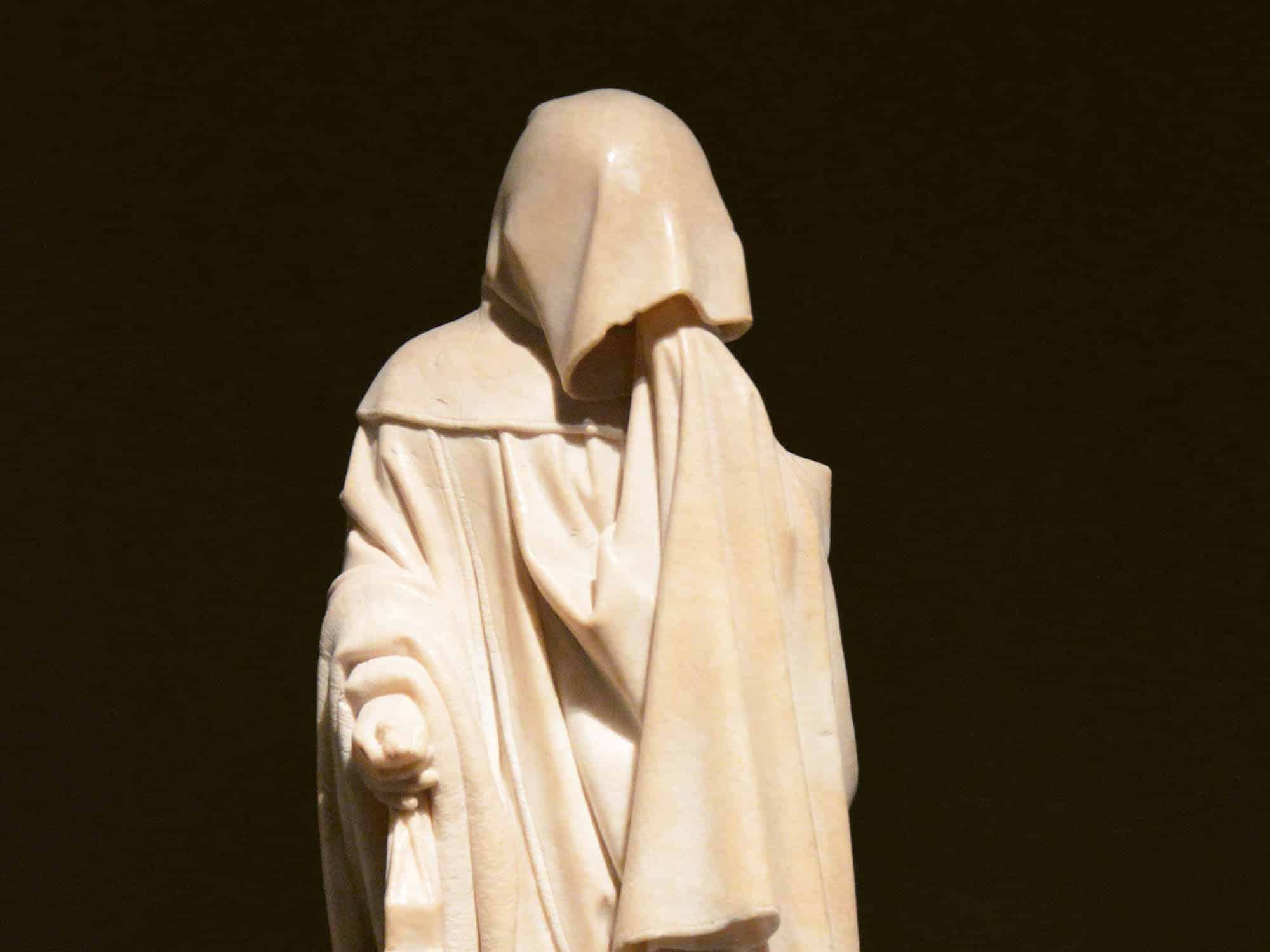
The ways in which evil works are subtle. This makes it all the more important to be attentive to the gap between freedom and responsibility. Those who do not take responsibility for their freedom invite evil into the space between us. Where is the will weaving streams?Will it flow from forgivenessAnd, with love’s liminal vapors, rise to the Sun—Sun that illumines all without judgment? Blessed, we have shadowsto find our waythrough streams and spirit fields.—JB Evil is cunningly active in…

John Bloom · 25 September 2025 · 7 min

The Spirituality of Crying

The Spirituality of Crying

What is the significance of tears today? Does what brings us to cry, bring us to our ‘I’? How do tears help us to find ourselves? A brief phenomenology of the spirituality of crying. When the Pope died on Easter Monday, all the faithful in Rome wept. Outsiders may find this strange. He didn’t suffer a tragic death, like that of a child. For those critical of the Church, these tears were merely an expression of religious sentimentality. But when…

Andreas Laudert · 04 July 2025 · 5 min

From a Fragment, Something New Emerges

From a Fragment, Something New Emerges

In 2020, a fragment of a previously unnoticed text by Rudolf Steiner was published for the first time. It contains important insights into the human ability to perceive the ‘I’ of another. An exemplary volume of the complete works of Rudolf Steiner in German was published containing numerous previously unpublished treatises and fragments, including a short fragment on the difference between human and animal organisms. The original dating of the fragment was between 1903 to 1909, but it is more…

Salvatore Lavecchia · 04 July 2025 · 10 min

What the Old and the Young Can Give Each Other

What the Old and the Young Can Give Each Other

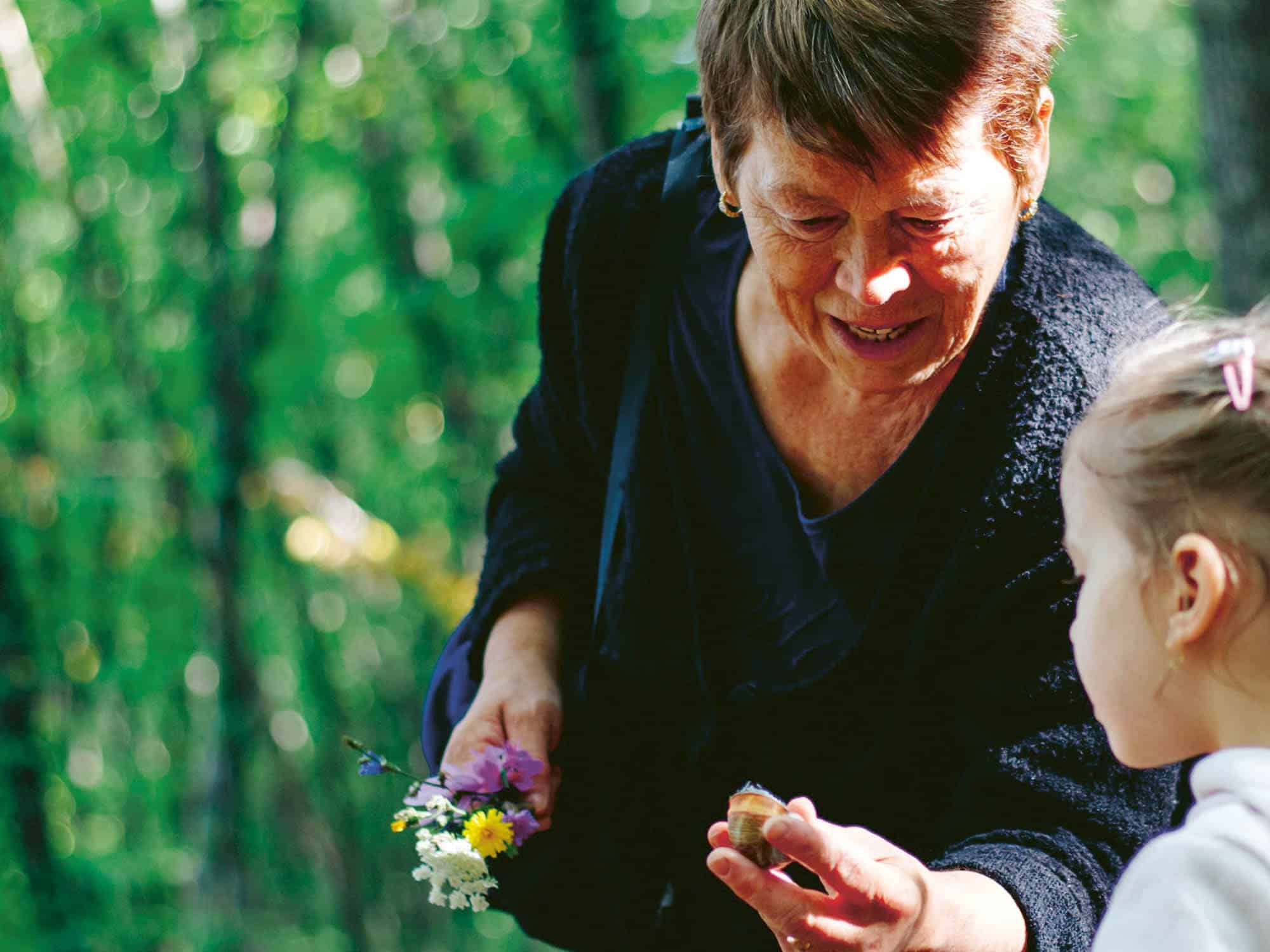
Changes in the demographics of Central Europe are placing a significant strain on society. The first wave of people born between 1950 and 1972 are now retiring or have already done so. Not all of them are in good health, which means the costs of caring for the older generation are already rising enormously. In Germany, for example, the costs have nearly doubled from €42.43 billion to €82.40 billion between 2013 and 2023. We can estimate this will peak in…

Christian Schikarski · 17 June 2025 · 5 min

What We Share with Bees

What We Share with Bees

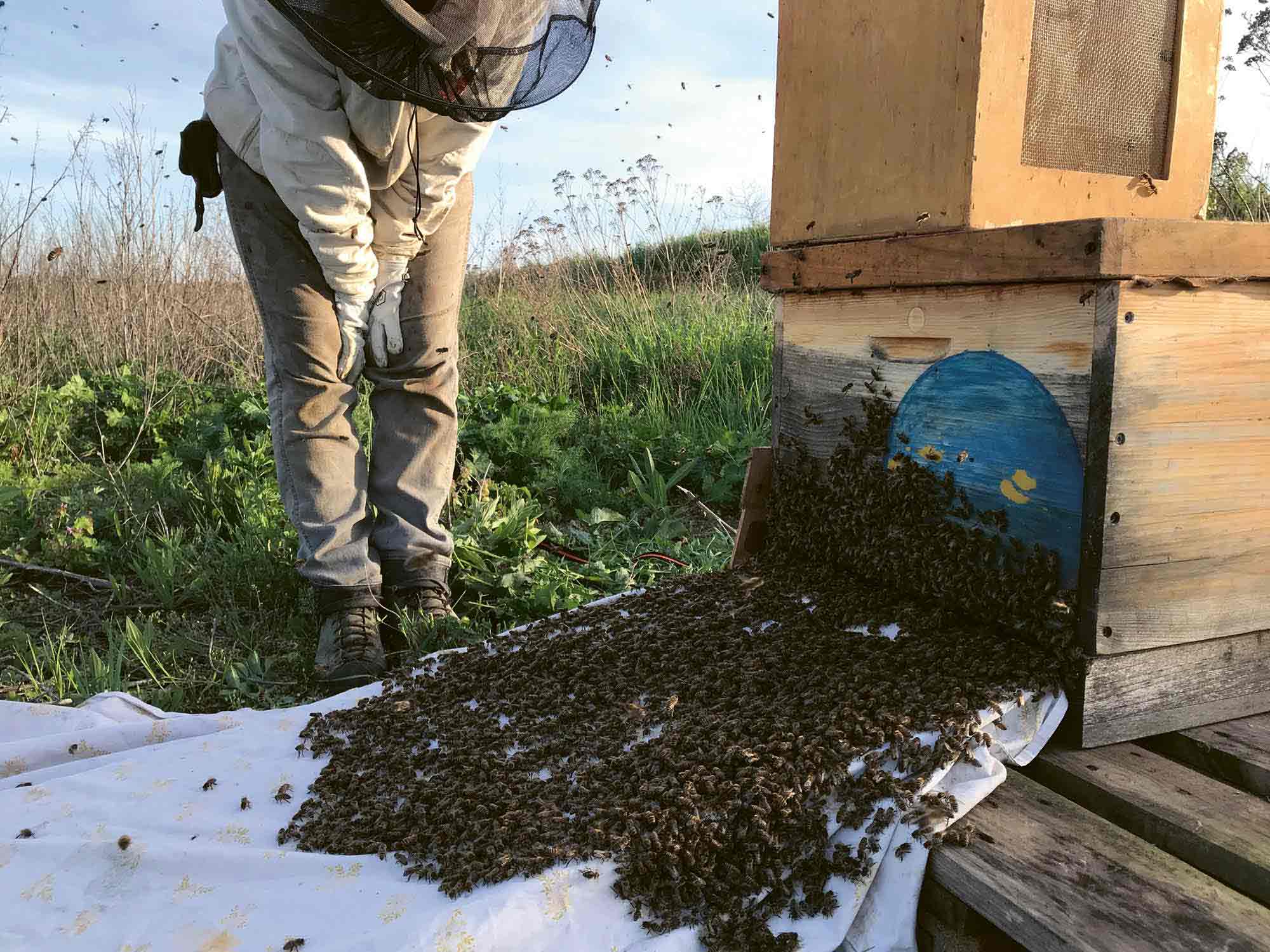
Nature is in full bloom, so the bees are also celebrating! We need their work to make it possible for nature to bloom again. With our sincere gratitude, we dedicate two articles to our hard-working and generous fellow creatures. “The bee’s life is like a magic well: the more you draw from it, the more it fills with water.” These words from Nobel Prize winner Karl von Frisch, discoverer of the dance language of bees, are absolutely true. Since I…

Johannes Wirz · 17 June 2025 · 7 min

From Effects to Essence and Back Again

From Effects to Essence and Back Again

Goethe developed a new method for studying nature, both inorganic and organic. His intention was to uncover the natural law—the essence, the being, the idea—of a thing by introducing a special way of beholding the phenomena—the manifestations of the thing—in order to gain knowledge and insight. This approach was not being pursued by the conventional, supposedly “objective,” sciences of his time, and it was not possible for anyone holding on to a pre-scientific, naive view of the world. Goethe’s approach…

Iris Hennigfeld · 27 May 2025 · 16 min

“Plomp! There Lay Our Philosopher on the Floor”—The Beginning of the Friendship between Rudolf Steiner and Moritz Zitter

“Plomp! There Lay Our Philosopher on the Floor”—The Beginning of the Friendship between Rudolf Steiner and Moritz Zitter

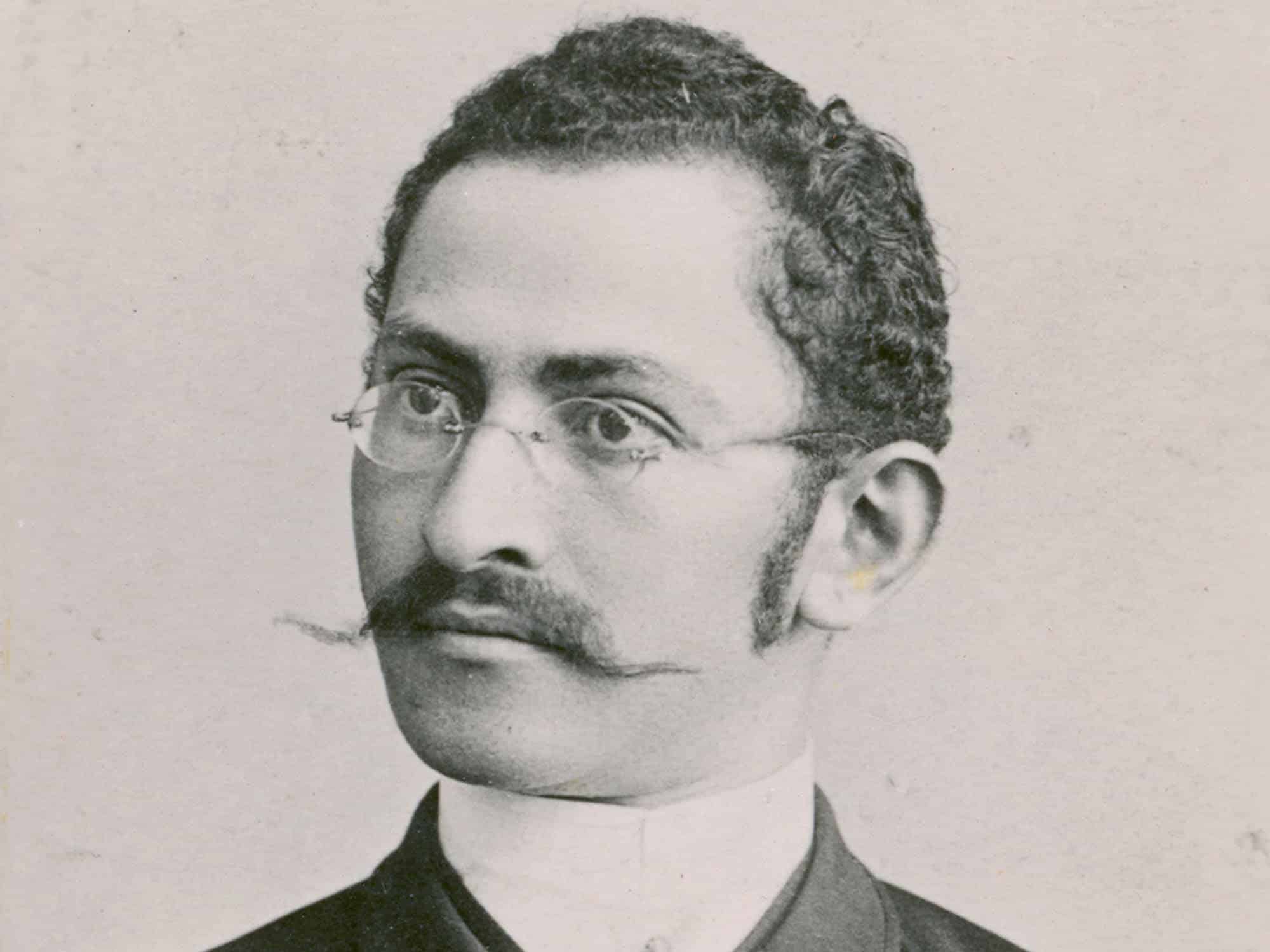
Marginalia on Rudolf Steiner’s Life and Work No. 35 In his autobiography, Rudolf Steiner describes Moritz Zitter (1861–1921), who was born the same year as Steiner and came from Transylvania, as one of his five closest friends during his youth. They remained friends until Zitter’s death in 1921. After completing his studies, Moritz Zitter spent several years working as a private tutor in his hometown before returning to Vienna in 1892. He then worked in various editorial offices and advertising…

Martina Maria Sam · 27 May 2025 · 8 min

Language is Magic

Language is Magic

From out of past cultural epochs up through to the present day, the evolution of human language is truly a wonder to behold. The ‘I’ became flesh, granting the potential to know the spirit itself. The new Tower of Babel can now be built. Language is magic. It never ceases to amaze me how a cat intones one single syllable, “meow” but can express such a range of feelings and intentions. The archetypal principle of language is the syllable: a…

Hao Bu · 14 May 2025 · 8 min

The New Will

The New Will

Christian festivals are celebrations of life and the future. At Christmas, it is the arrival of the Son—a future that was prophesised and, therefore, has roots in the past. The Easter festival sanctifies a future that shines through death to a new becoming—it is still to be fulfilled, still to be lived. This year, Mars draws this drama in the sky. At Christmas, the planet of will was at Praesepe—the birthplace of stars. It returns to this cosmic source again…

Louis Defèche und Redaktion · 17 April 2025 · 1 min

On the Way to Easter

On the Way to Easter

Your path constantly leads to a fork in the road, though it often goes unnoticed because habit takes over the decision, and your inner autopilot lets you slumber. Rudolf Steiner calls this orientation the “Gate of the Moon.” But what if you were to pause at the crossroads and let Easter awaken, guide, and inspire you to the “Gate of the Sun?” There are three Easter questions that are worth asking yourself at every instance of decision-making. What would you…

Wolfgang Held · 17 April 2025 · 2 min