Section

History

89 articles

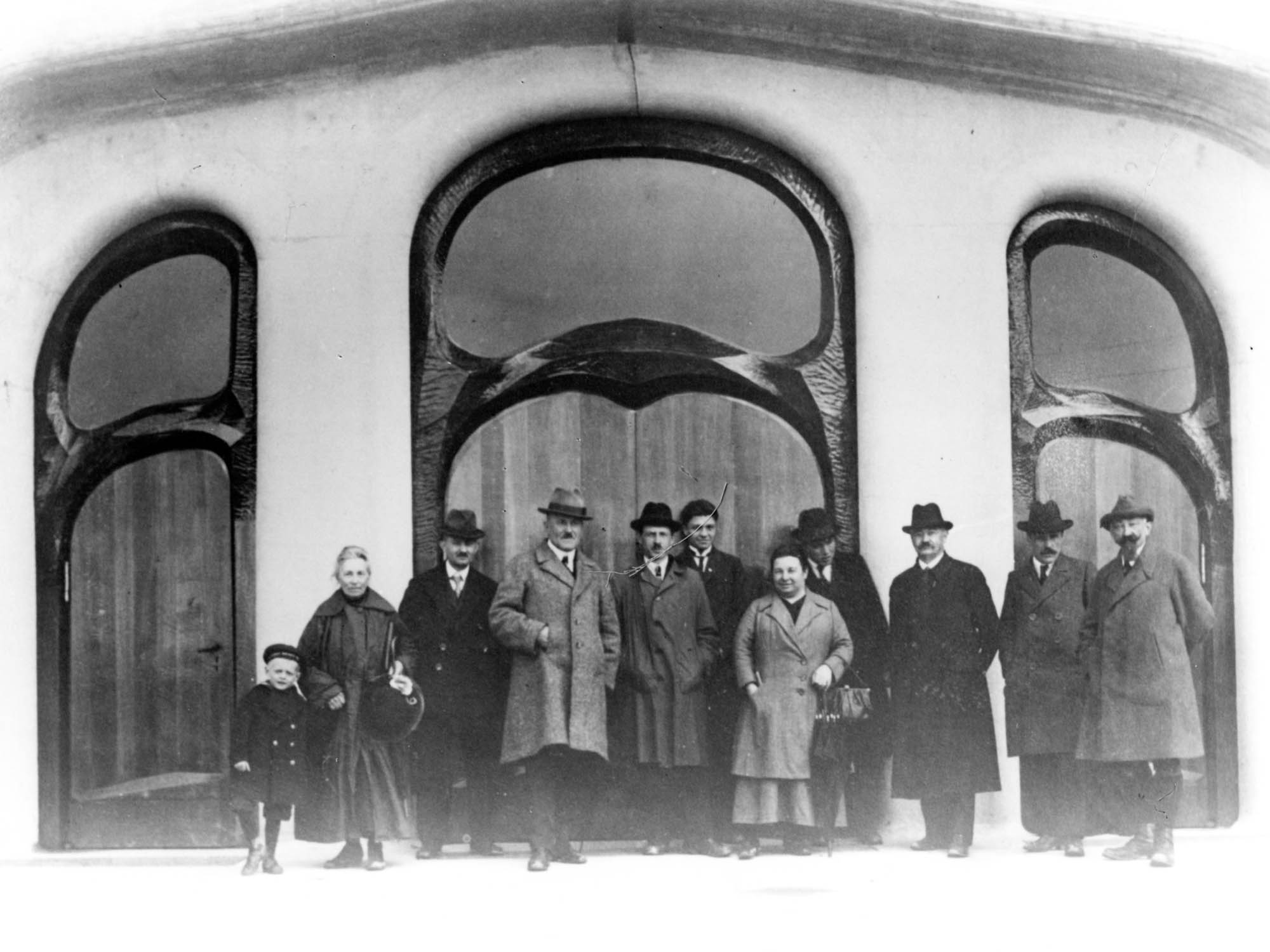
Best Man Otto Bock and His Wife Mila

Best Man Otto Bock and His Wife Mila

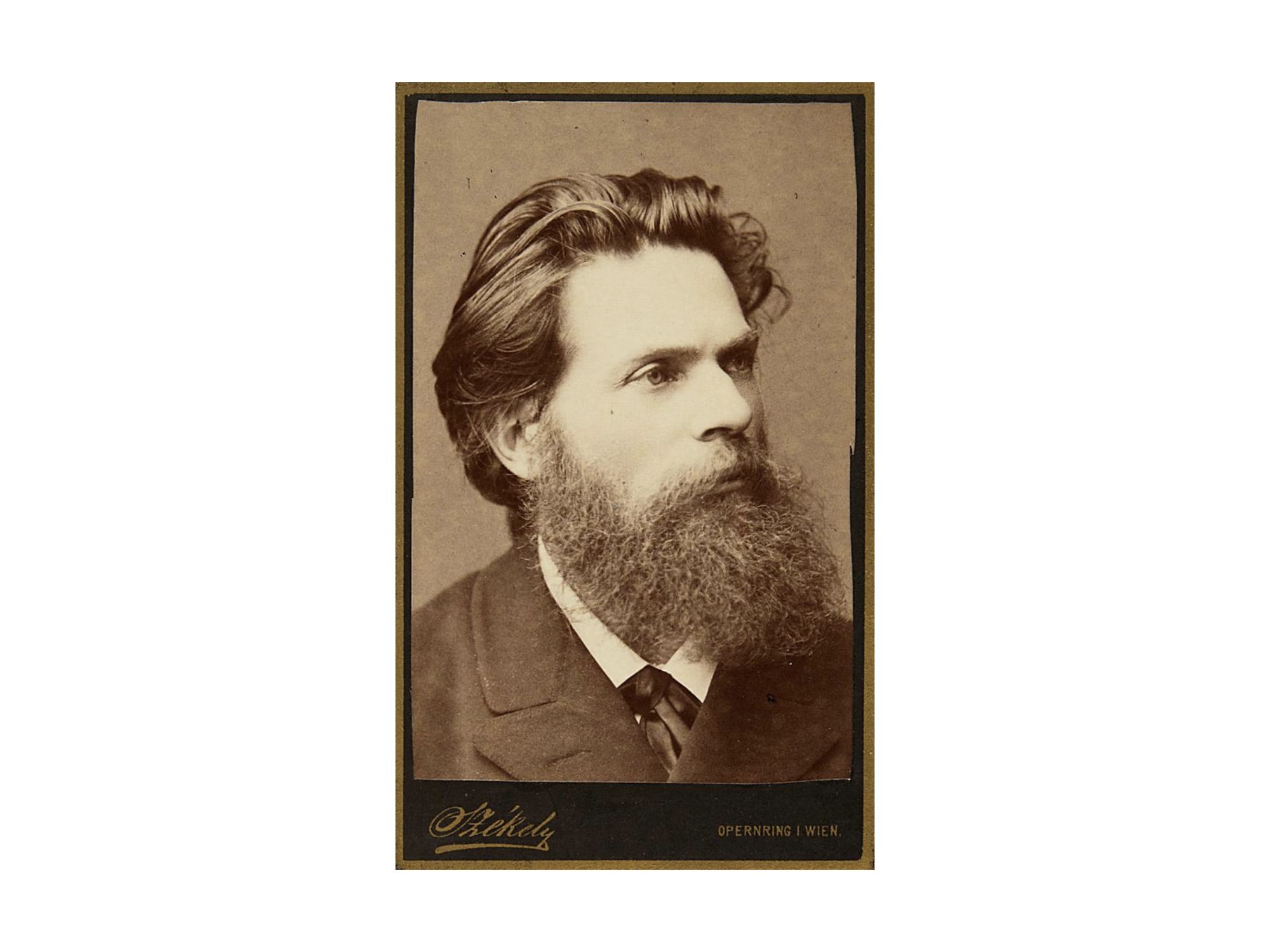
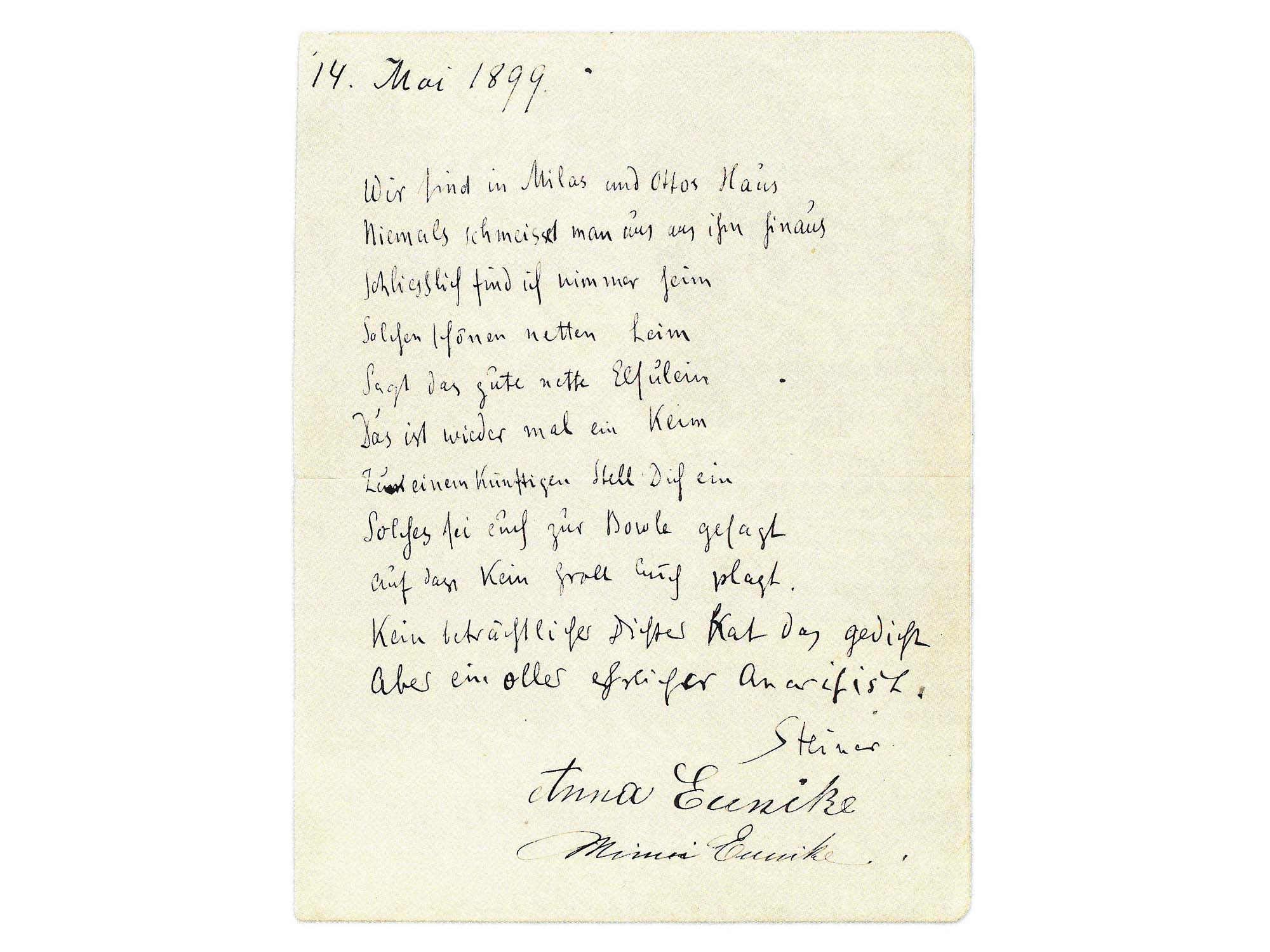
Marginalia on the Life of Rudolf Steiner, Number 27. While in Weimar, Rudolf Steiner maintained a friendship with the Bock family. He was probably introduced to them in October 1890 by the Danish writer Rudolf Schmidt because, like Schmidt, the engineer and brickworks owner Otto Bock (1850–1913) was originally from Copenhagen. Rudolf Steiner helped Bock with his book on brickworks as an agricultural and independent business (Berlin 1893). The book has the following dedication: “To his dear friend Dr. Steiner…

Martina Maria Sam · 07 July 2023 · 5 min
The School for Spiritual Science and Its Pedagogical Section

The School for Spiritual Science and Its Pedagogical Section

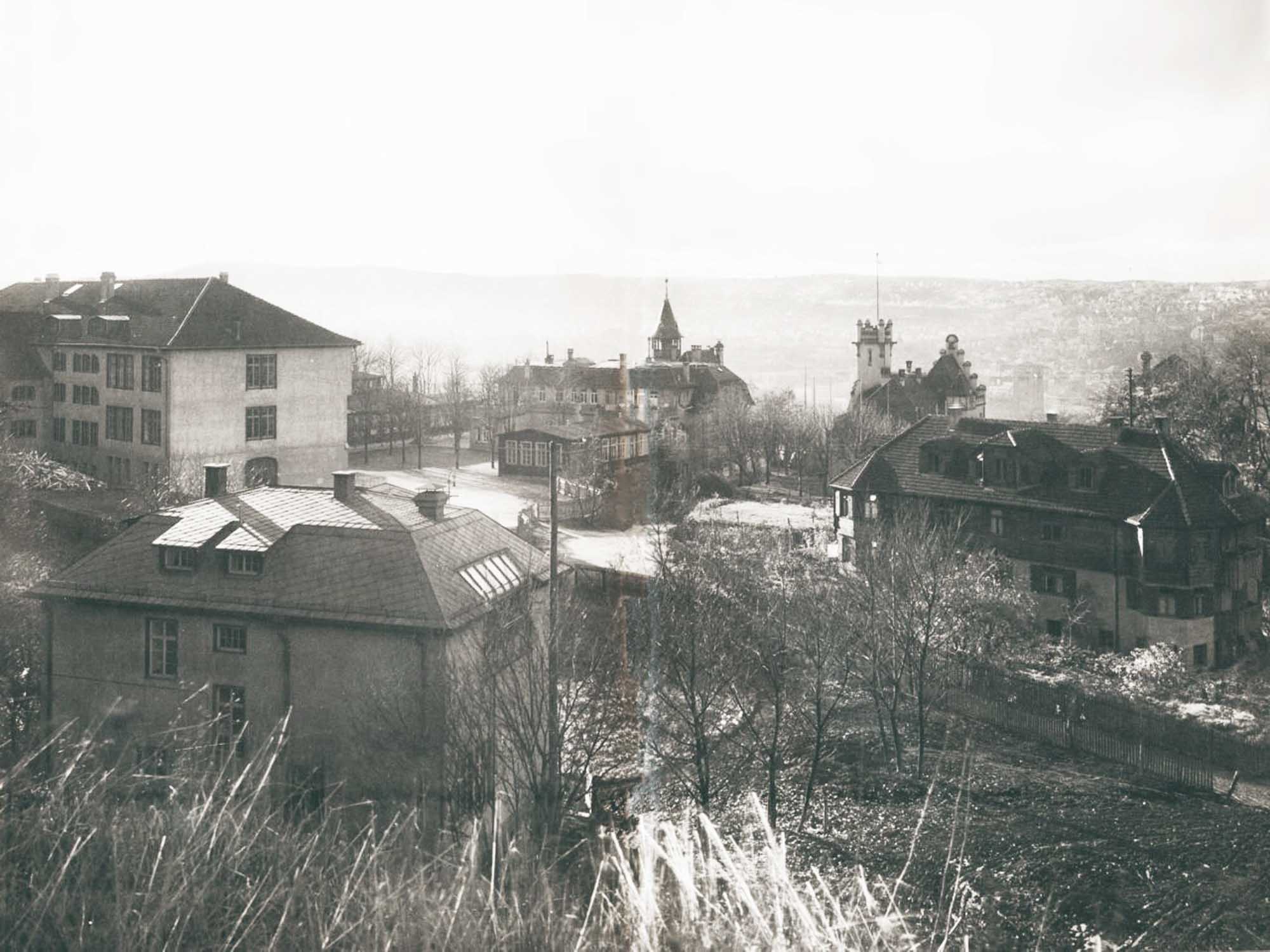
At the recent World Teachers’ Conference, there was an event devoted to themes on the tasks of the School for Spiritual Science, its inauguration through Rudolf Steiner, and the meaning of the Sections—the Pedagogical Section in particular. This Section, along with the General Anthroposophical Section, was led personally by Rudolf Steiner. Another theme was the pedagogical course given by Steiner one hundred years ago in the Dornach carpentry shop—the first professional training course after the destruction of the building (The…

Peter Selg · 15 June 2023 · 6 min

Waldorf Education for Czechoslovakia

Waldorf Education for Czechoslovakia

From April 15 to 22, 1923, a course for Swiss teachers was held in the carpentry workshop (Schreinerei) right next to the ruins of the burnt down first Goetheanum. A group of Czech teachers also travelled to Dornach for the course. During that week, Rudolf Steiner gave eight lectures (GA 306) and additional talks were given by Walter Johannes Stein, Ernst Blümel, Hermann von Baravalle, and Caroline von Heydebrand. An article in the Bern school newsletter (Berner Schulblatt) described the…

Tomáš Zdražil · 19 May 2023 · 7 min

Steiner’s Vision for the Anthroposophical Society

Steiner’s Vision for the Anthroposophical Society

Having been asked what kind of vision Rudolf Steiner developed in 1923 for the Anthroposophical Society after the Goetheanum burned down and on the way to the Christmas Conference – an Anthroposophical Society fit for the future, which makes possible, deserves and needs a second Goetheanum – I will briefly report on what was important, indeed essential, to him in doing so. Friedrich Wilhelm Schelling wrote in his 1811 work ‹The Ages of the World›: «The past is known, the…

Peter Selg · 04 May 2023 · 13 min

“Energetic and Strong-Willed”

“Energetic and Strong-Willed”

Marginalia on Rudolf Steiner’s Life and Work 26 In his Autobiography, Rudolf Steiner wrote in detail about a personality who would later turn both against him and Anthroposophy: the “liberal politician” Dr. Heinrich Fränkel (1859–1939), “an adherent of Eugen Richter and politically active in the same spirit.” Richter represented the Deutsche Freisinnige Partei (German Liberal Party) which was critical of the government and economically liberal. In 1893, he founded the even more leftist Freisinnige Volkspartei (Liberal People’s Party). Fränkel, who came…

Martina Maria Sam · 04 May 2023 · 5 min

Ignaz Troxler and Modern Switzerland

Ignaz Troxler and Modern Switzerland

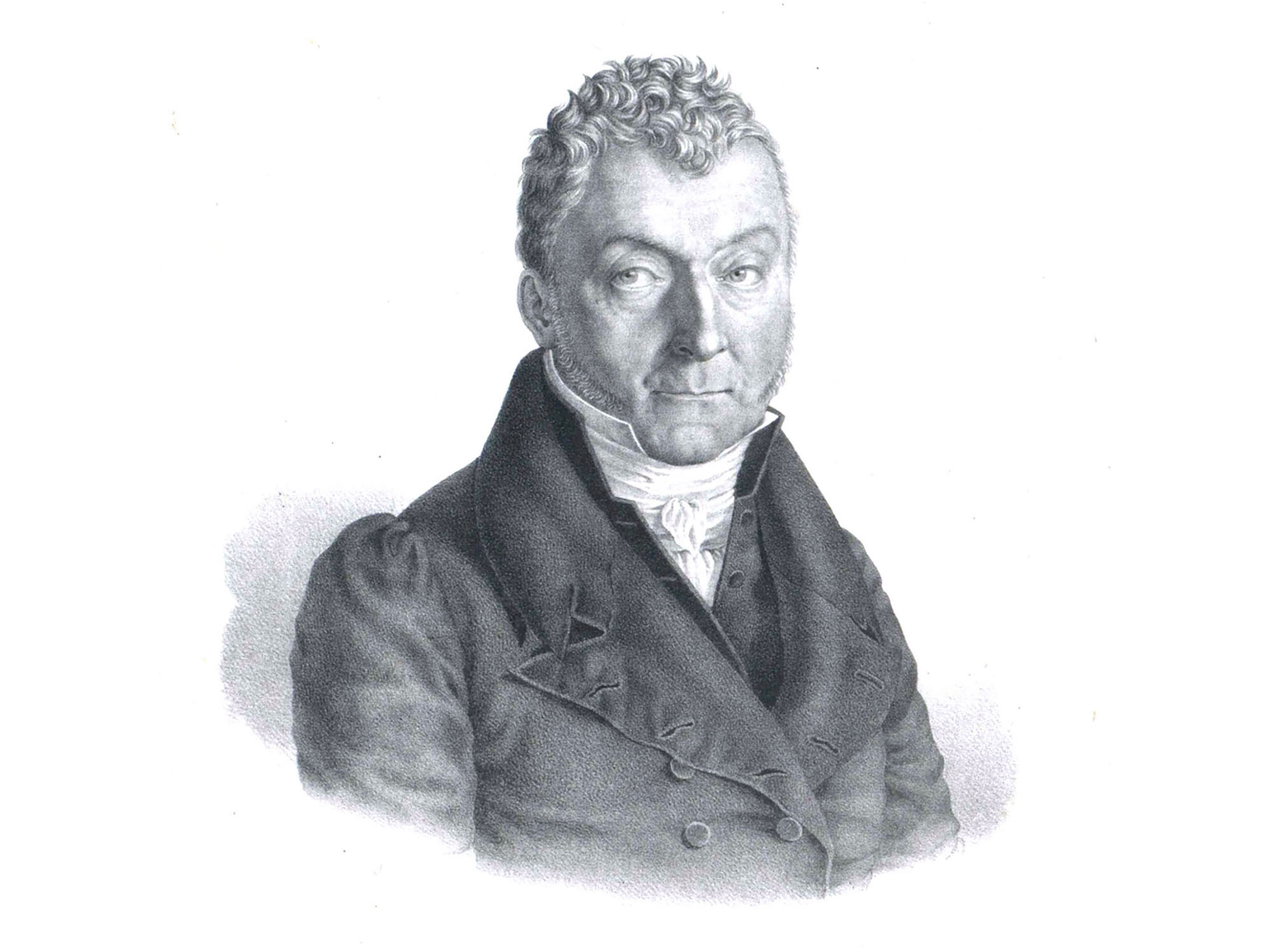
At a time when Europe is experiencing a deep crisis, the ‹Swiss model› is once again coming to the fore. The fate of modern Switzerland was decided 175 years ago. An important yet forgotten figure in anthroposophy and Swiss spiritual life played a decisive role in this: Ignaz Troxler. While the dark sides of the USA are often discussed today, the emergence of modern Switzerland also points to a ray of light that came from across the Atlantic. In 2018,…

Max Feurer · 05 April 2023 · 5 min

Waldorf Worldwide – Where is the Center?

Waldorf Worldwide – Where is the Center?

Should curricula in other countries be based on a European ideal? Does that even exist? And what can European Waldorf schools learn from other cultures? Sven Saar, who is internationally active in teacher education, offers suggestions. Does it make sense for children in Indonesia to knit socks (which no one would wear in that country) with wool imported from Europe, just because that is «on the curriculum» for fifth graders? Should the Oberufer Christmas plays be performed in Japanese Waldorf…

Sven Saar · 31 March 2023 · 9 min

«A Crazy Fellow»

«A Crazy Fellow»

Marginalia to Rudolf Steiner’s Life and Work, Number 25. Before Rudolf Steiner met the famous reciter Alexander Strakosch in person, he had heard much about him from his friend Moritz Zitter. On January 14 and 16, 1892, Strakosch performed various poetic works at the Weimar Hoftheater, including Faust’s great monologue and a scene from Schiller’s ‹Demetrius›. Apparently, he sat talking with Rudolf Steiner for some time after the performance. It was close to midnight, when, «moved by the heightened temperature…

Martina Maria Sam · 30 March 2023 · 7 min

Pronoia is the Antidote to Paranoia

Pronoia is the Antidote to Paranoia

In the 70s, alternative forms of spirituality were once associated with a rose-colored glasses worldview. Today, it’s the opposite – contemporary ‹conspirituality› sees hidden, evil, and toxic forces everywhere. It’s time we at least remember how to put on the rose colored glasses. This mindset is well encapsulated by the term ‹Pronoia›, which was present in early Christian works, describing the divine providence that keeps the world in order. In more recent times, the word has been popularized by the…

Charles Cross · 24 March 2023 · 1 min

Anthroposophy in the GDR

Anthroposophy in the GDR

How did anthroposophists live during the years of the German Democratic Republic (1949-1989)? Could they work at all? For security reasons, almost nothing was recorded. German geologist Dankmar Bosse reports on this time and documents everything in retrospect so that nothing is forgotten. «Our field of work was inner work,» says the author of this fascinating book. Since anthroposophy was neither permitted nor forbidden, it operated in a grey area. It wasn’t until 1990 that the Anthroposophical Society was founded in Eastern Germany. Until then,…

Maja Rehbein · 10 February 2023 · 4 min

Steiners Doctoral Thesis

Steiners Doctoral Thesis

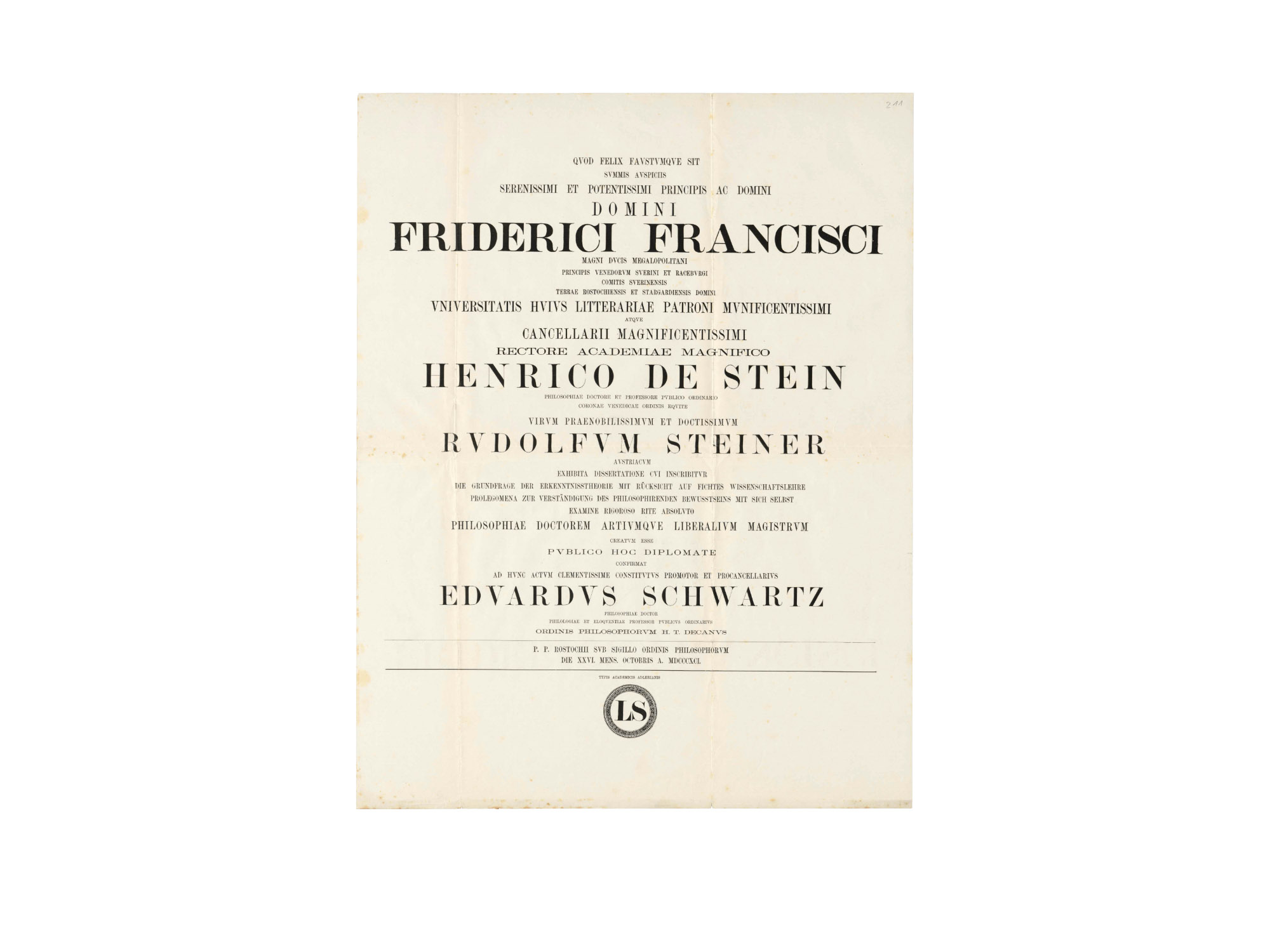
Marginalia on Rudolf Steiner’s Life and Work 24. In Memory of Friedwart Husemann. A few months before moving to Weimar where he was to publish most of ‹Goethes Naturwissenschaftlichen Schriften› [Goethe’s Scientific Writings] as part of the first Goethe Complete Edition, Rudolf Steiner began exploring his possibilities for a doctorate. On the one hand, he probably wanted to catch up with his future archive colleagues, who all ha Would you like to keep reading? We’re pleased to present our Summer 2026 offer, valid…

Martina Maria Sam · 20 January 2023 · 9 min

After the Burning

After the Burning

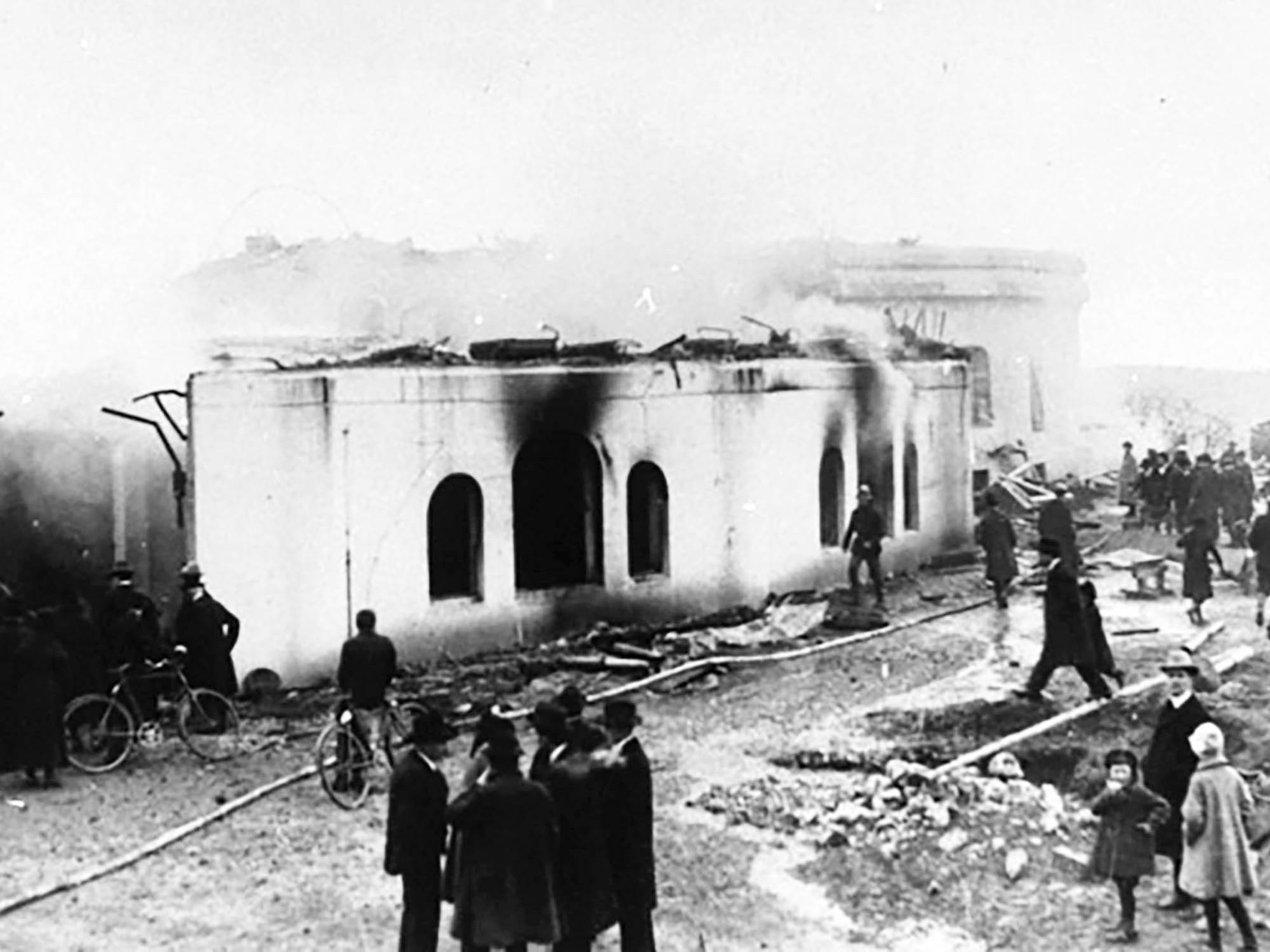
For Rudolf Steiner, the ruin after the fire signalled not only the defamation of anthroposophical work, but also the failure of the Anthroposophical Society to adequately protect the building. The smoke at the ruins of the Goetheanum had hardly cleared before Rudolf Steiner said: «And I hope, of course, that there will be no interruption of any kind in any direction here.» As a result, the fire became a caesura in the development of anthroposophy and not an obstacle. Rudolf Steiner was…

Peter Selg · 05 January 2023 · 5 min