Section

History

89 articles

Following the Myth

Following the Myth

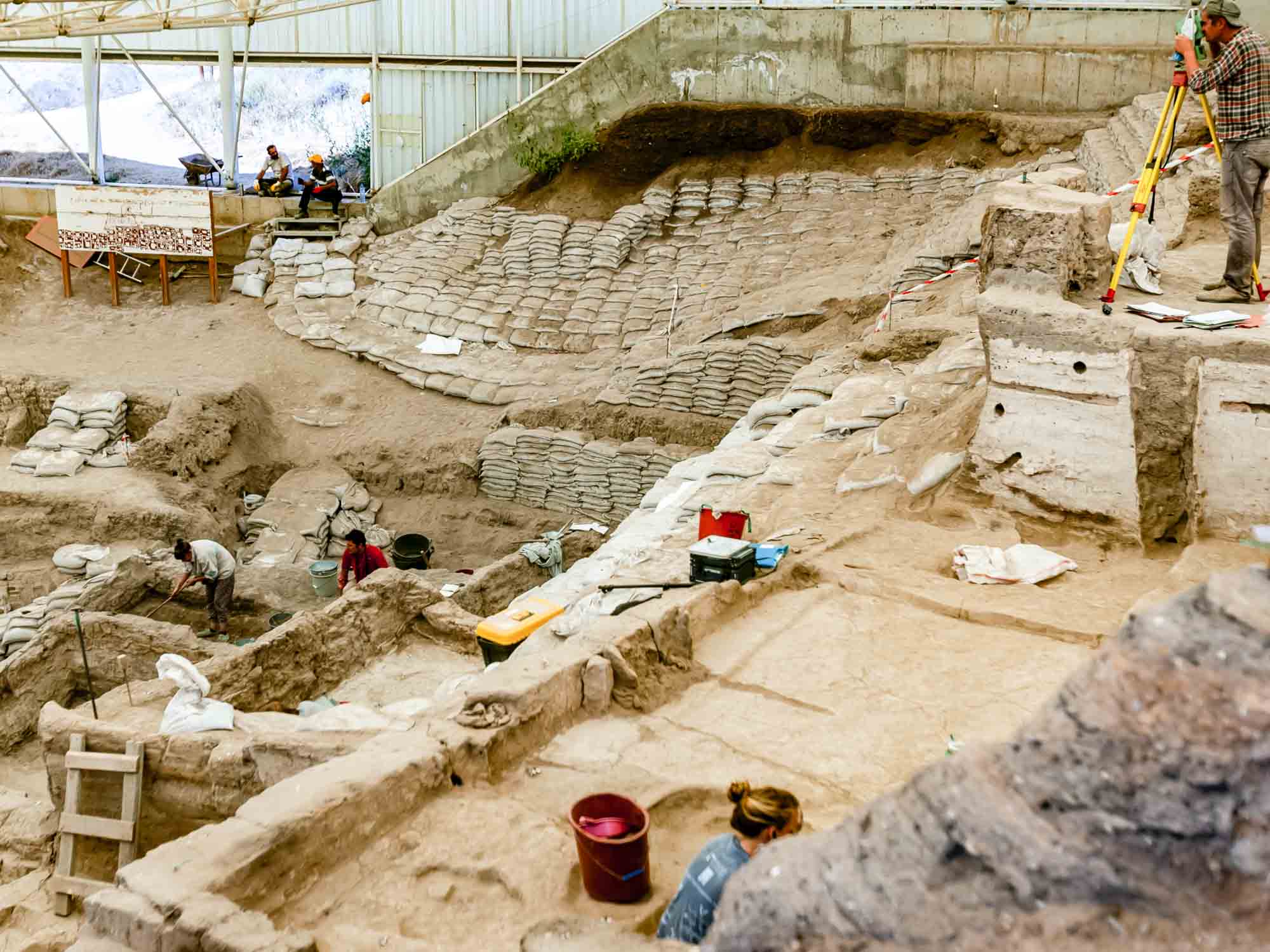
In 1994, when Klaus Schmidt discovered the buildings of Göbekli Tépé on the Turkish-Syrian border and dated them to 11,000 BC, the academic picture of human prehistory and early history began to wobble. «Our history begins much earlier,» says filmmaker Graham Hancock. In the charged Netflix series ‹Ancient Apocalypse,› he goes in search of highly developed civilizations from the last Ice Age. While today’s classical and ancient studies separate myth from science, Hancock digs into stories and myths for clues…

Wolfgang Held · 15 December 2022 · 1 min

«This Look Asked Me Something»

«This Look Asked Me Something»

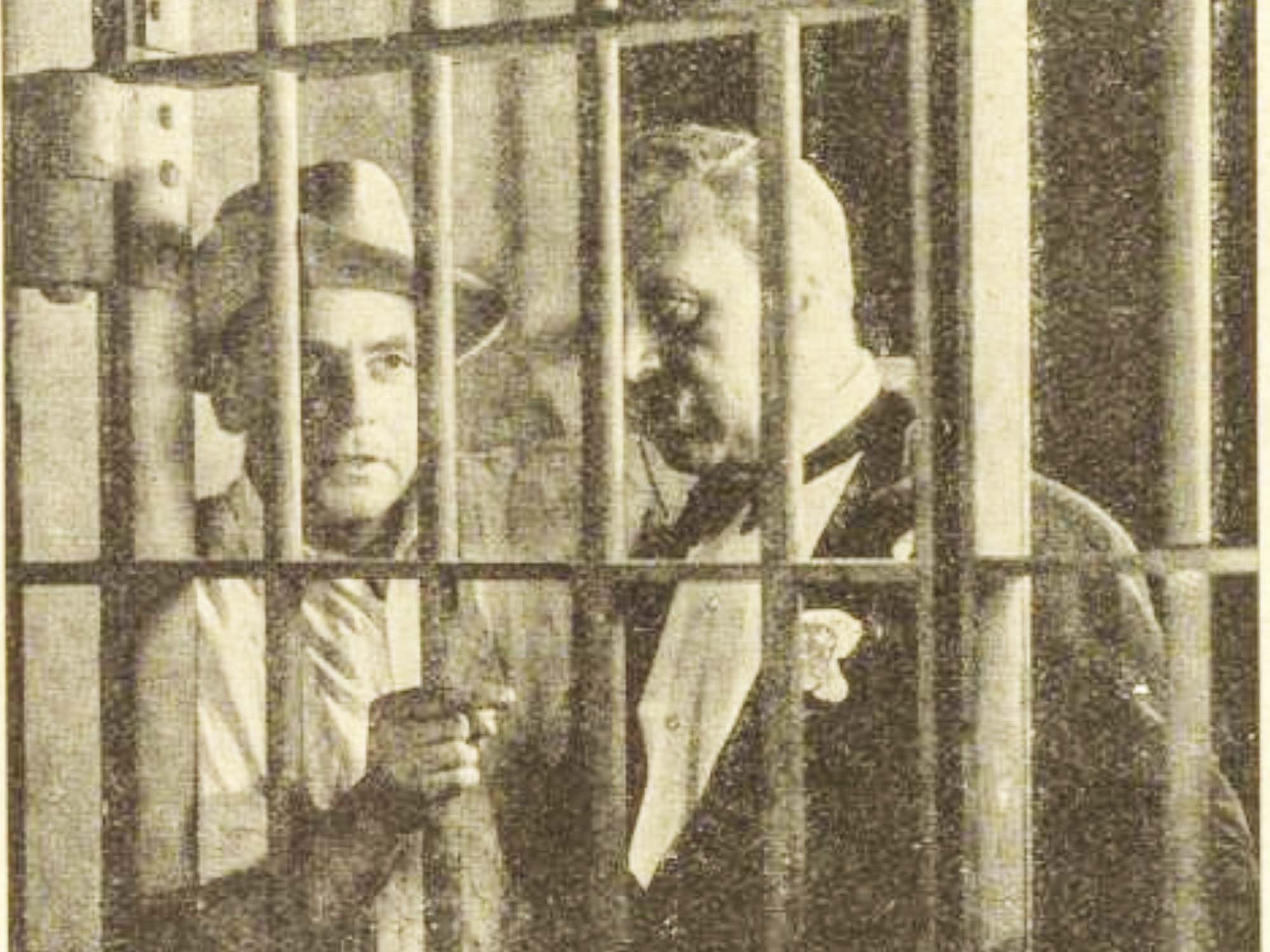
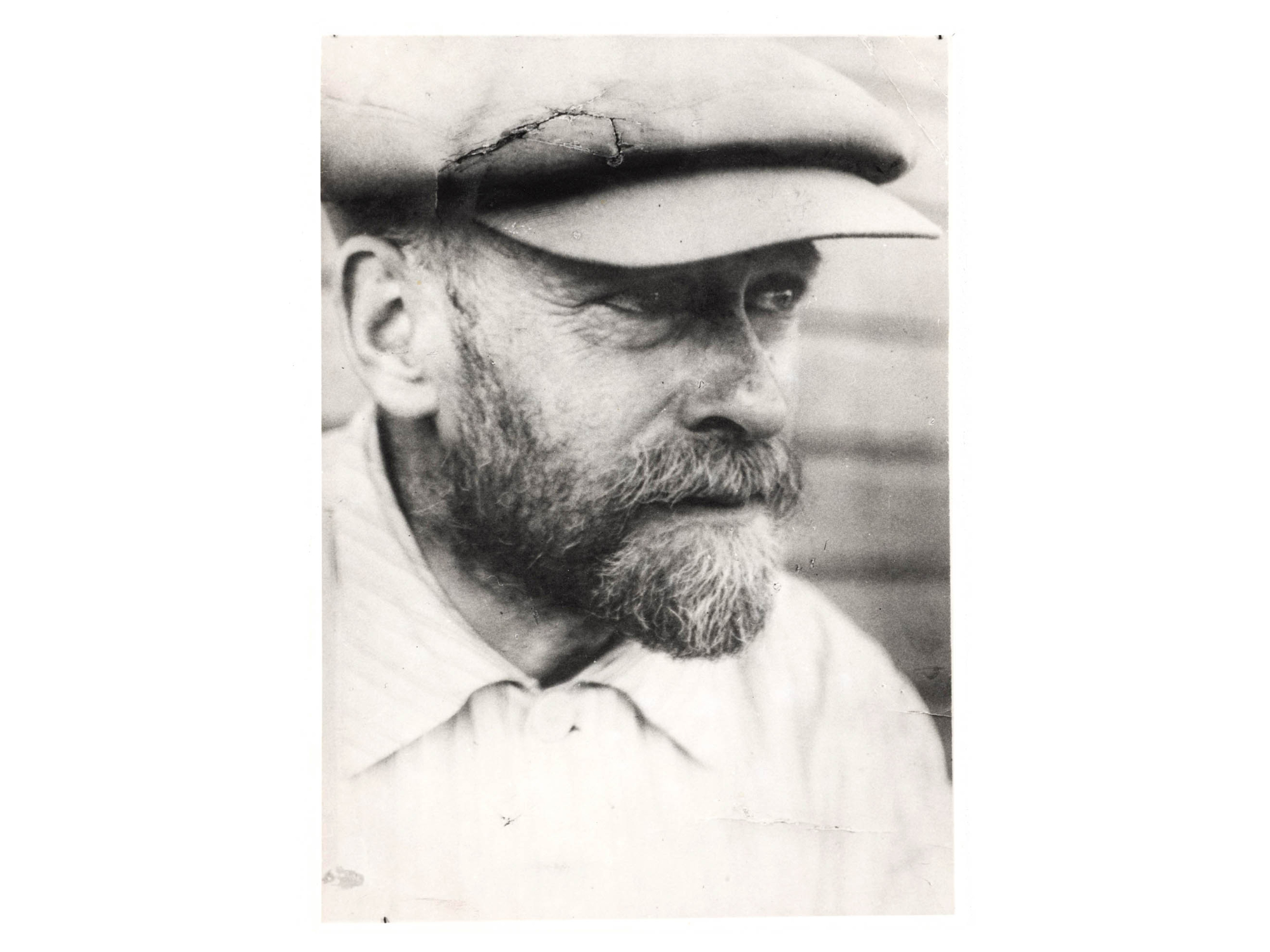
Marginalia of Rudolf Steiner’s Life and Work, No. 23 – In peripheral encounters, and once directly, Ludwig Berger circled around Rudolf Steiner. Above all, his Bible commentaries developed with Emil Bock were a gateway to spiritual science for Berger. Ludwig Berger (originally: Bamberger) was born on January 6, 1892, into a musical family in Mainz. His mother, Anna Klara, was a pianist, and his father, Franz, was a banker by profession, but his whole heart belonged to music. He determined…

Martina Maria Sam · 24 November 2022 · 6 min

Freed from Occult Captivity?

Freed from Occult Captivity?

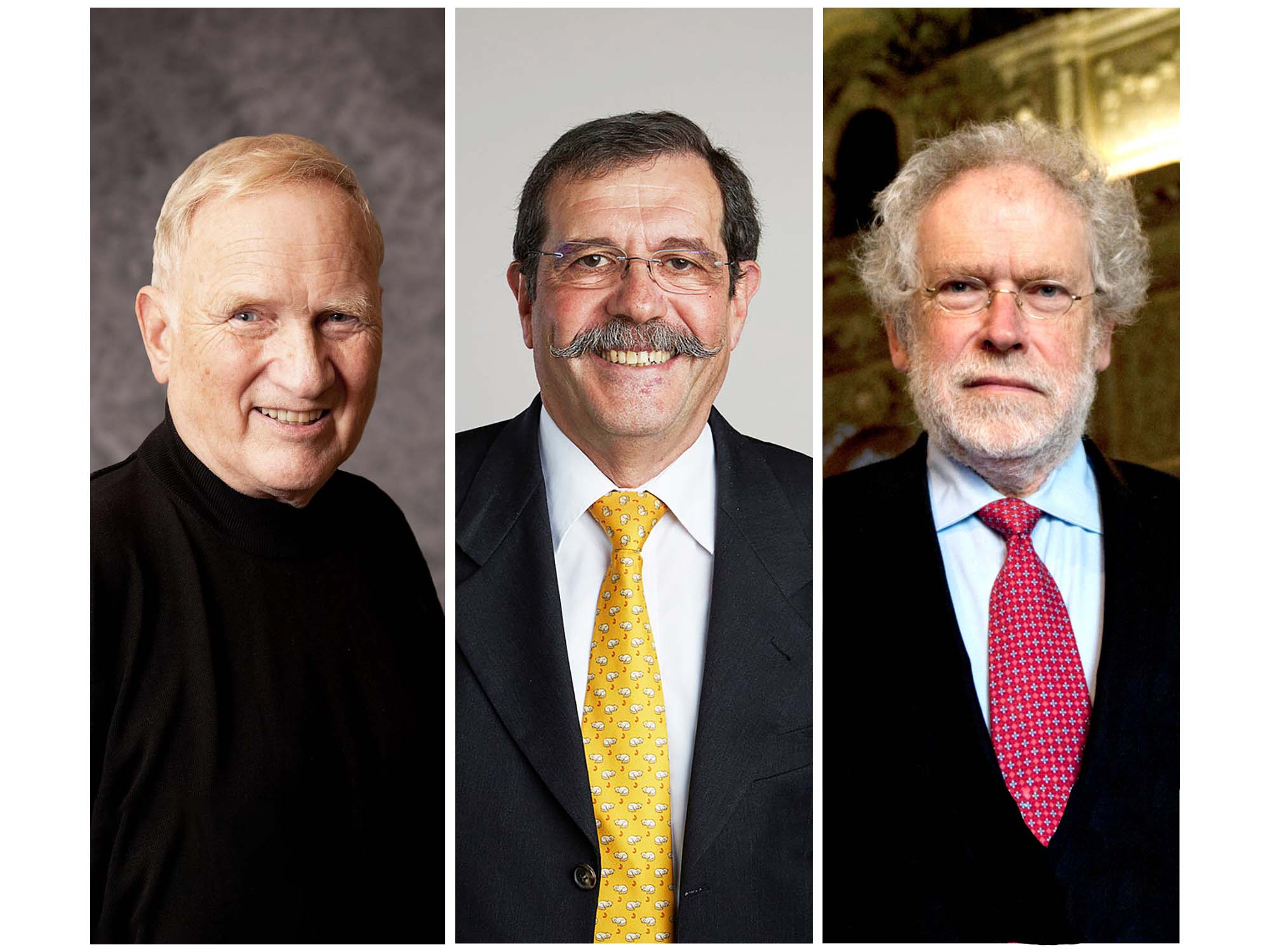
The three 2022 Nobel Laureates in Physics – John Clauser, Alain Aspect, and Anton Zeilinger – have experimentally shown that quantum physics is more than an idea or theory of understanding matter. There is probably only one occasion on which Rudolf Steiner did not use the term ‹occult captivity› in an ‹esoteric class› concerning Helena Blavatsky, and that was on August 31, 1923, in Penmaenmawr, UK. There, he describes the intention of Ahrimanic beings to surround humanity with atomistic and…

Johannes Kühl · 27 October 2022 · 4 min

Rudolf Steiner’s Family – Part III.

Rudolf Steiner’s Family – Part III.

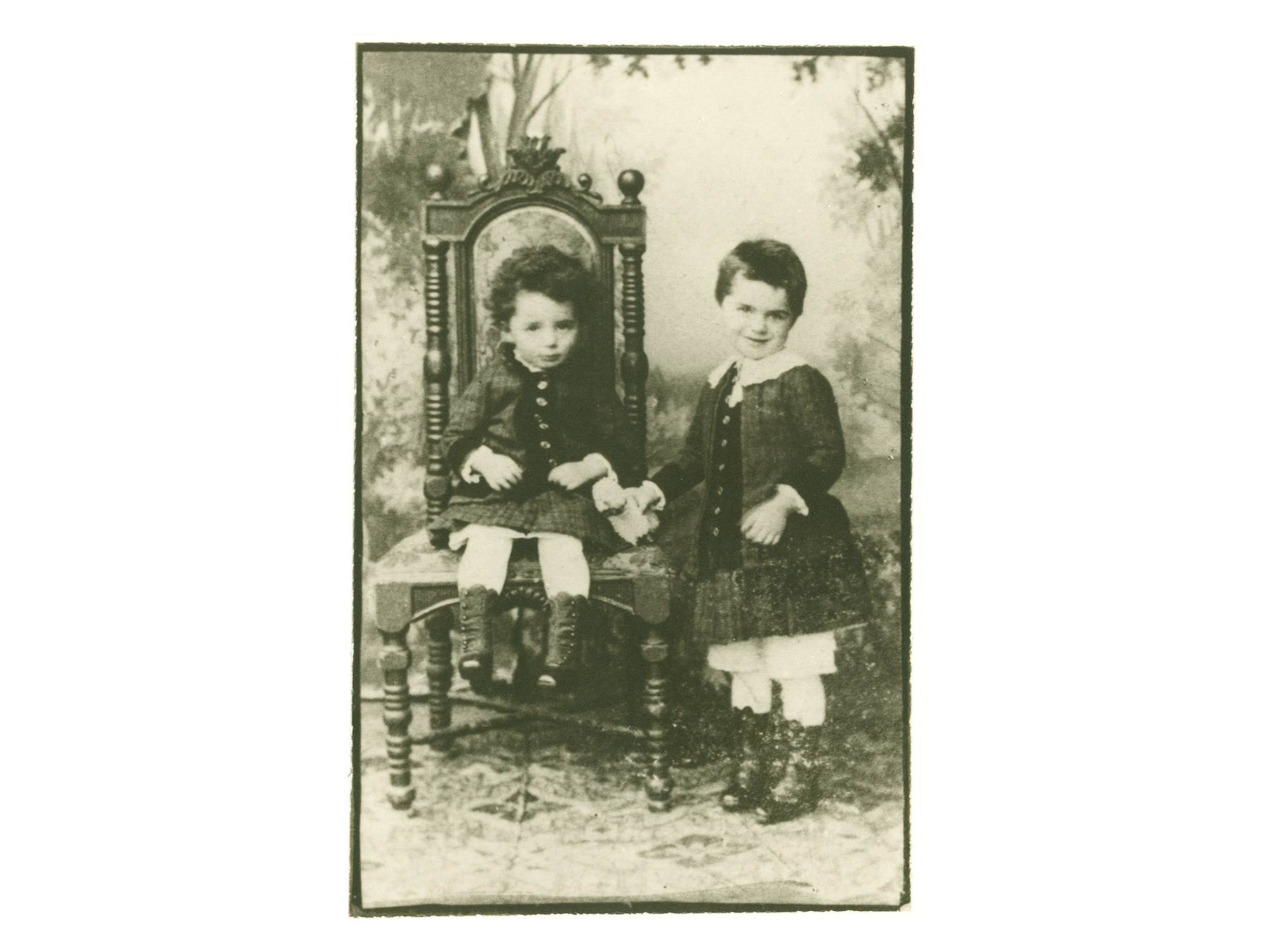
Marginalia on Rudolf Steiner’s Life and Work No. 22 – The Sister had the works of her famous brother read to her after her blindness. The deaf brother copied them after his death. Rudolf Steiner had two younger siblings: Leopoldine and Gustav. Both were born in Pottschach and had godparents from the Solterer family, owners of a mill in the village. As a child, he «often spent hours» looking at picture books with moving figures with his sister, Rudolf Steiner…

Martina Maria Sam · 30 September 2022 · 12 min

100 Years of the Movement for Religious Renewal

100 Years of the Movement for Religious Renewal

The Christian Community Movement for Religious Renewal was founded on September 16, 1922, with the execution of the first Act of Consecration of Human Beings. It was mostly Protestant theologians who had asked Rudolf Steiner for help. Beforehand, they often met at Michael Bauer’s house, but Rudolf Steiner’s actions and advice were critical. Nevertheless, he never considered himself the actual founder. After 100 years, a critical event is often commemorated by the right people. Some aspects of this moment are…

Martin Kollewijn · 15 September 2022 · 5 min

Audible Impulses

Audible Impulses

Those who want to immerse themselves in Anthroposophical history in English can become patrons of a new podcast. On the Patreon website, people can support others’ audible projects, such as podcasts or lectures, by choosing to make a regular donation. The site also features a project called ‹Anthroposophical Impulses›. In this series, the history of Anthroposophy in art, architecture, and literature is presented as ‹oral history›. For this concept, oral history is mainly collected in conversations with elderly people. Another…

Franka Henn · 08 September 2022 · 1 min

War – What Happens Between People?

War – What Happens Between People?

The question of war and peace has preoccupied humanity for millennia. When the Greek comic playwright Aristophanes wrote his play ‹Peace›, he was really advocating against war. Actually, we might expect that civilisation, through its moral and technical development, would learn to avoid devastating wars, but this is not the case. War has taken a new and crueller form since the twentieth century. In this context, it is important to reflect on the sources of war and to understand why…

Louis Defèche · 20 July 2022 · 20 min

Rudolf Steiner’s Family. II – The Parents

Rudolf Steiner’s Family. II – The Parents

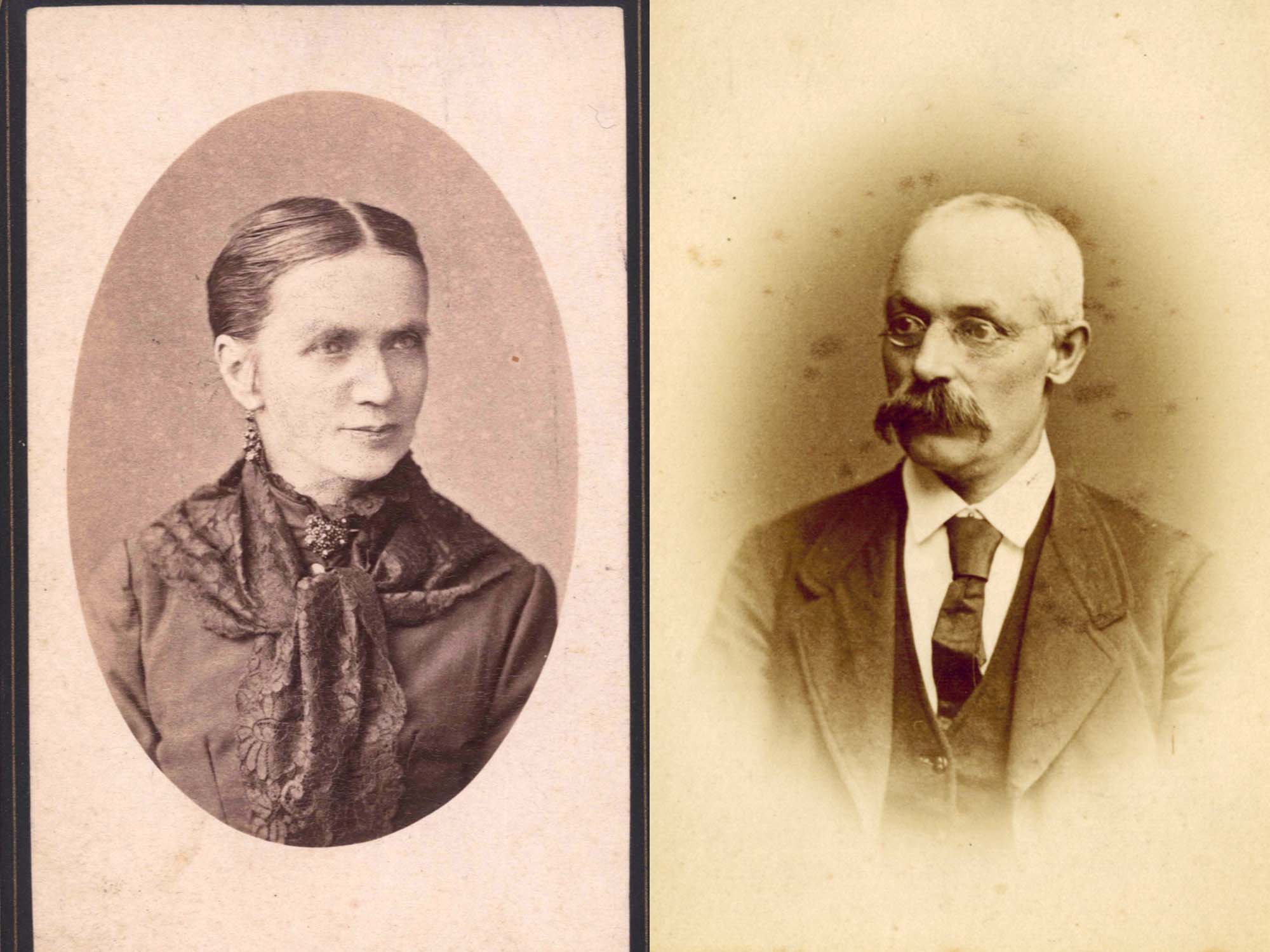
His father fought for his children and was a freethinker. His quiet mother feared throughout her life that her son was overexerting himself because of the financial support he kept sending home. It was a poor but loving home. Rudolf Steiner came from a family that lived in modest circumstances. His parents, he relates, had «always shown a willingness to give their last penny for the good of their children; but there were not very many such last pennies available.»…

Martina Maria Sam · 20 July 2022 · 14 min

Rebellious Love

Rebellious Love

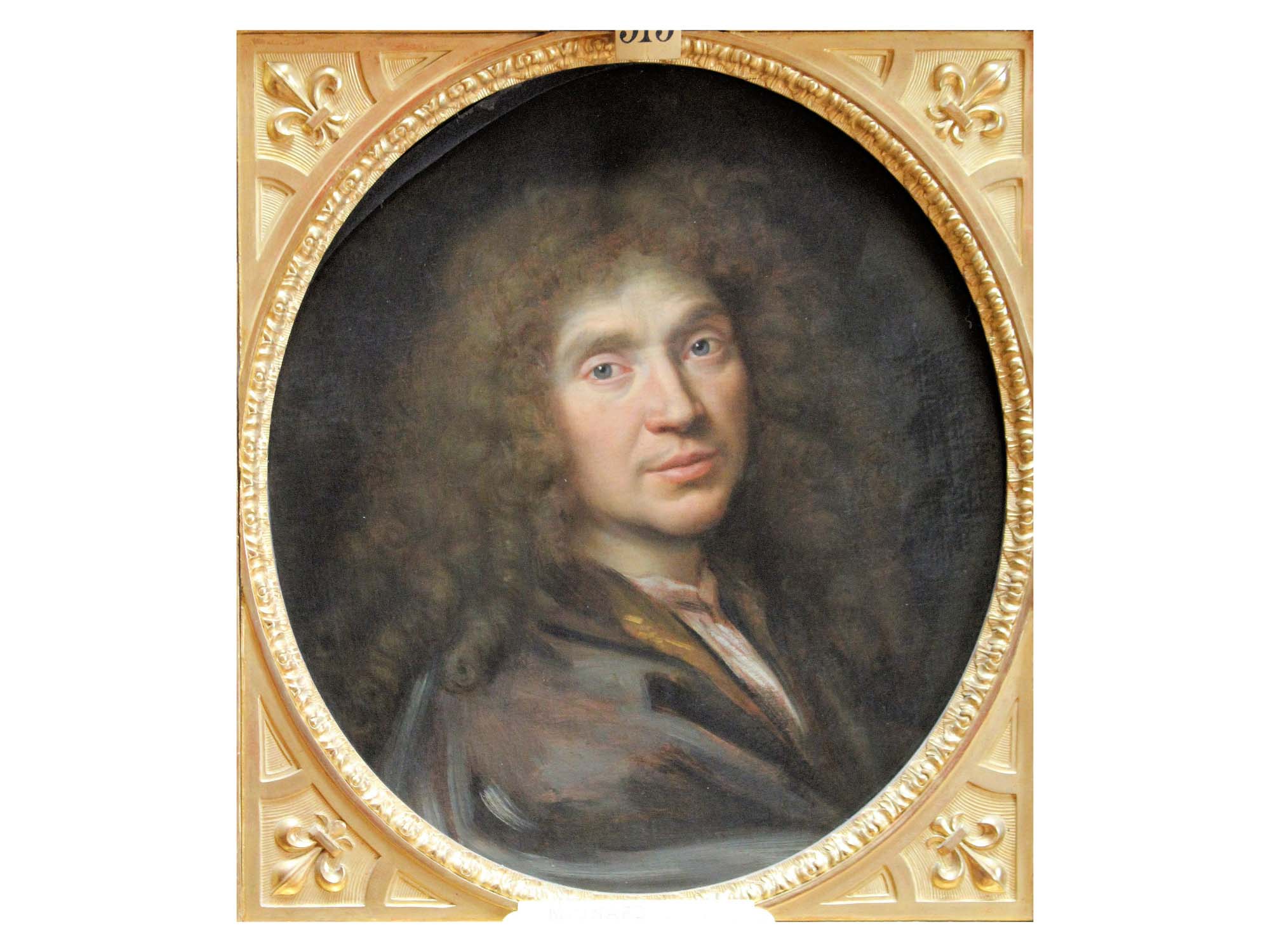
Molière would have been 400 years old this year. Despite the four centuries that separate us from this genius of humor, his social criticism, his commitment to the human soul, his clairvoyance, and the trials he went through can still inspire us today. Jean-Baptiste Poquelin came from a wealthy Parisian family and was born in January 1622 in the Les Halles district. Very early on, his grandfather regularly takes him to the Théâtre de Bourgogne, which is right next to…

Louis Defèche · 24 June 2022 · 6 min

An Unwilling Editor

An Unwilling Editor

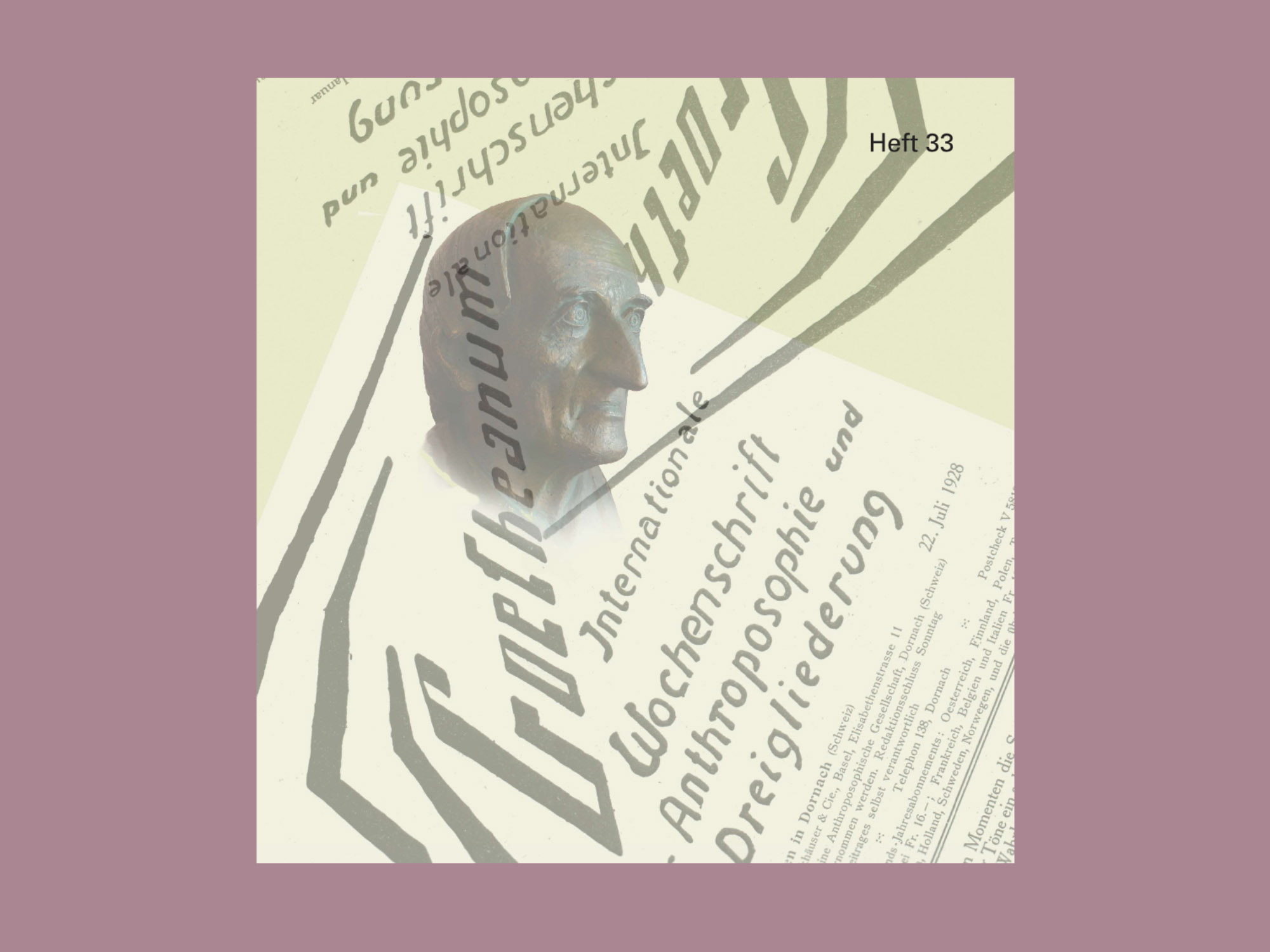
Albert Steffen took over editorship of the weekly journal ‹The Goetheanum›, founded in 1921. The personal tragedy associated with this was described in detail by Ruedi Bind in the last study booklet published by the Albert Steffen Foundation. It impresses with a rich selection of documentary evidence – especially the many excerpts from Steffen’s diary, which is an invaluable testimony for understanding the history of the Anthroposophical movement. Due to these statements by Steffen, which are touching because of their…

Alexander Lüscher · 24 June 2022 · 7 min

“This Life Had Profound Tragedy”

“This Life Had Profound Tragedy”

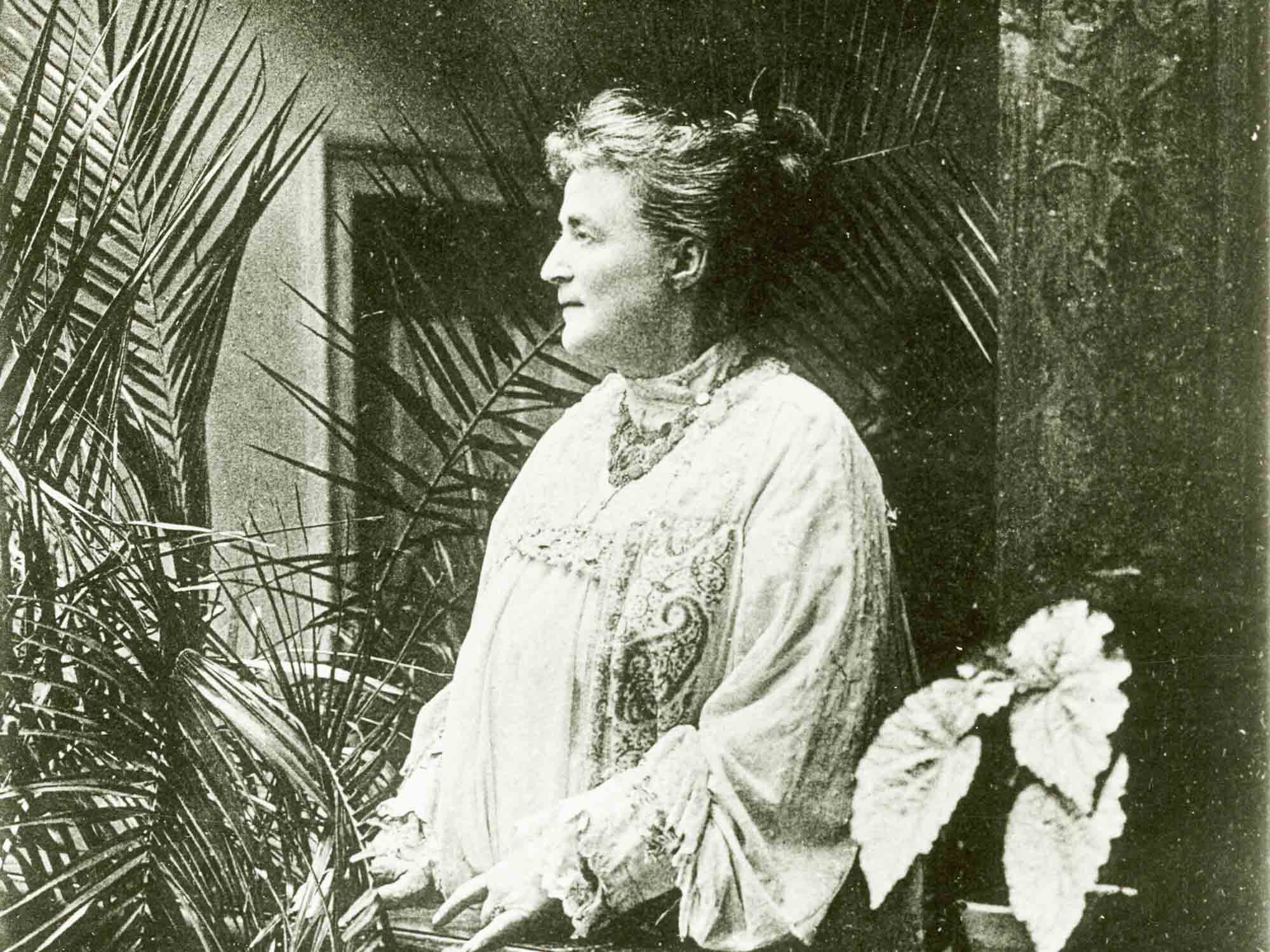
The life of Helene von Schewitsch was so incredibly dramatic, so full of twists and turns, and populated with so many of her famous contemporaries that if this extraordinary woman’s biography were a novel, much of it would be considered a complete exaggeration. Alfred Meebold described “her indomitable temperament, her perpetually lively intellect, . . . her empathy, which was instantly implemented as either sympathy or antipathy, her lively imagination . . . . All this contained, as I understand it, an enormously strong urge for freedom.…

Martina Maria Sam · 16 June 2022 · 11 min