Section

History

89 articles

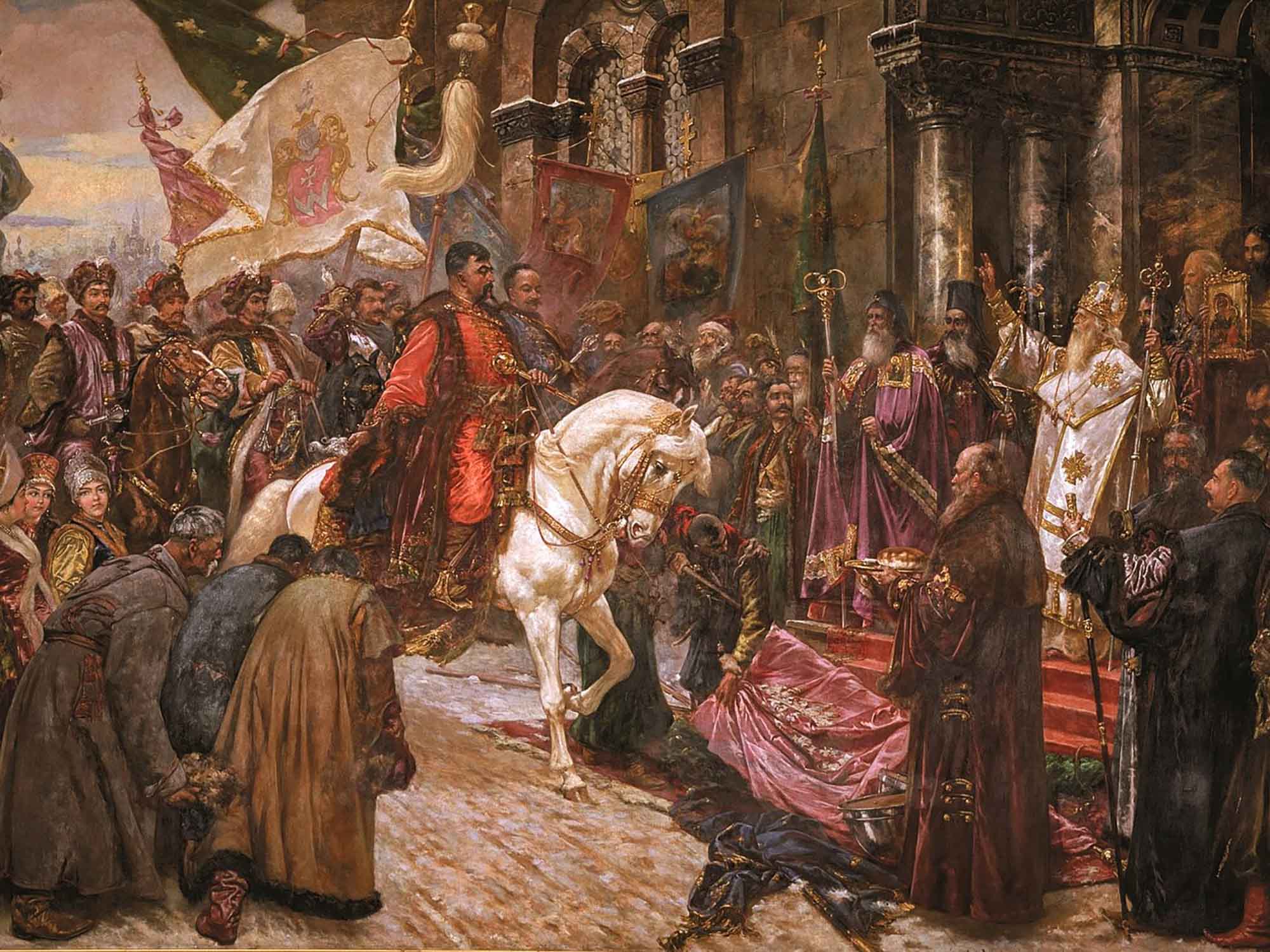
The Identity Of Ukraine

The Identity Of Ukraine

Ukraine does not have its own identity but has always been Russian. This narrative of Moscow caught on in the West. Now that the country’s sovereignty is under threat, it is all the more important to become aware of its identity. Current publications help with this. Under the title ‹L’Occident est bien plus influencé par l’impérialisme russe qu’il ne l’admet› (‹The West is much more influenced by Russian imperialism than it admits›), the French daily newspaper ‹Le Monde› published an…

Detlef Hardorp · 27 May 2022 · 6 min
Being Powerless – The Lens of the Present

Being Powerless – The Lens of the Present

Like a wave, deep powerlessness is flowing through the world. It means the unimaginable has happened. We are stunned. What does it mean to be a human being in this time and to see events in a living context, rather than myopically? On its front page, ‹Die Zeit› (March 2, 2022, N. 10) asked: ‹How can we help?› Just watching seems unbearable. But how to help? Do arms deliveries help? Do sanctions help? What does ‹help› mean? Of course, help…

Christine Gruwez · 18 March 2022 · 11 min

Christian Rosenkreuz in the Orient

Christian Rosenkreuz in the Orient

An attempt to synthesize from the research on his journey to the oriental spiritual centers of the 14th and 15th century. My basis goes back to the two Rosicrucian writings, the ‹Fama Fraternitatis› (Fama) and the ‹Confessio Fraternitatis› (Confessio), which Johann Valentin Andreae preceded the publication of the ‹Chymic Wedding› in 1516. Rudolf Steiner says of Andreae: «A very young person gives his hand to a spiritual entity that writes down something like the Chymic Wedding.» He also calls the…

Ronald Templeton · 18 March 2022 · 14 min

Rudolf Steiner’s Family I – The Relatives

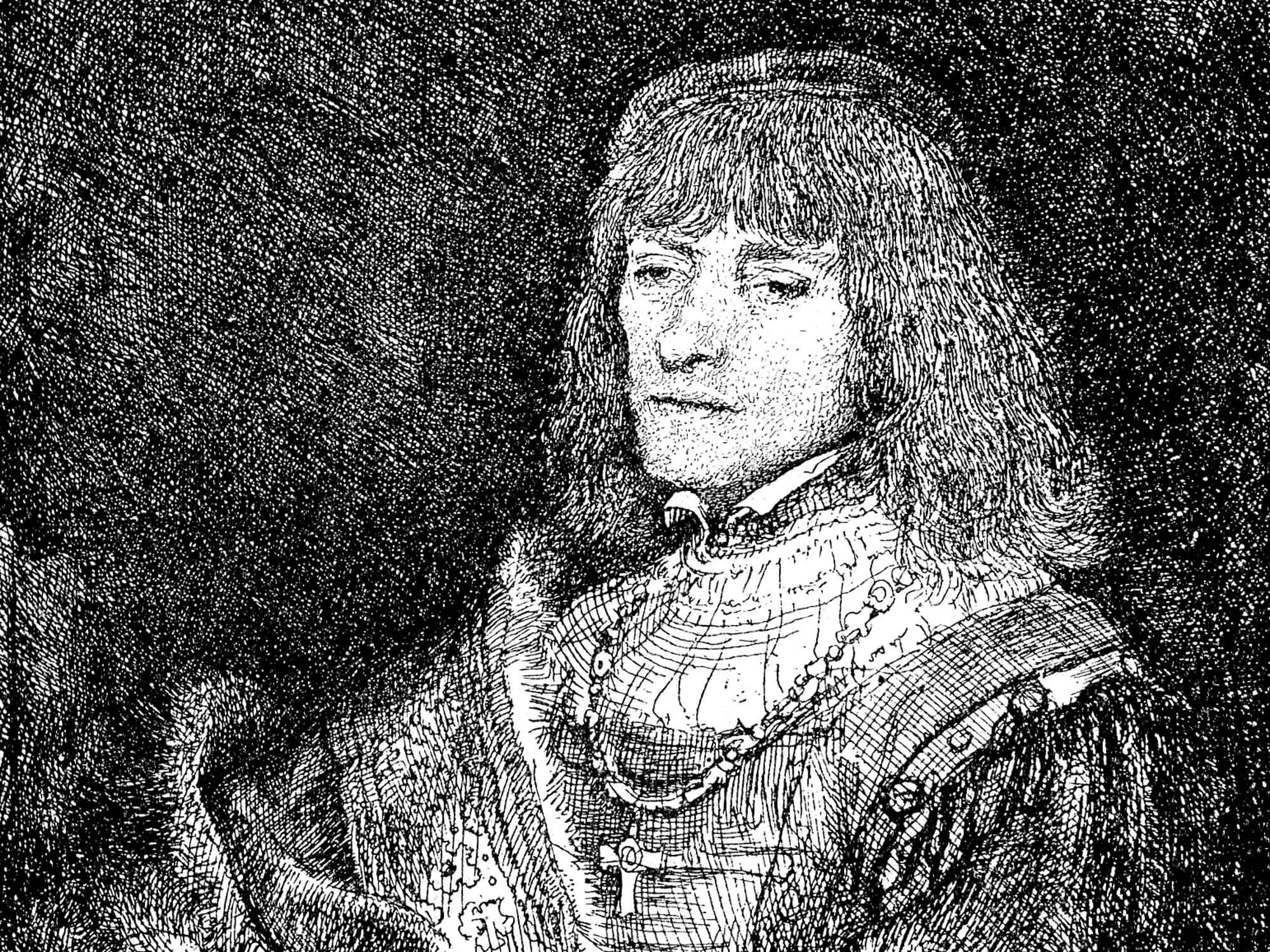
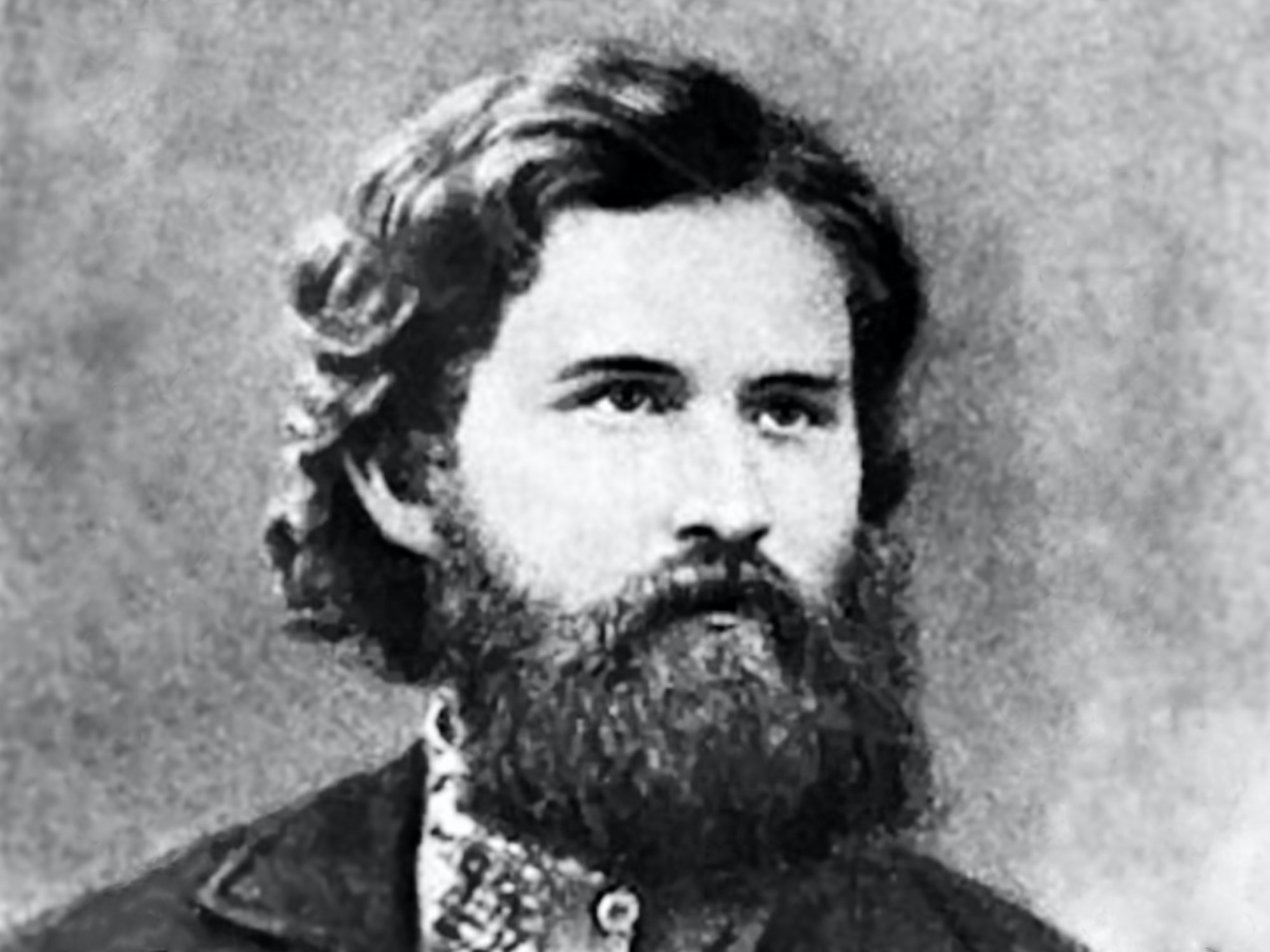
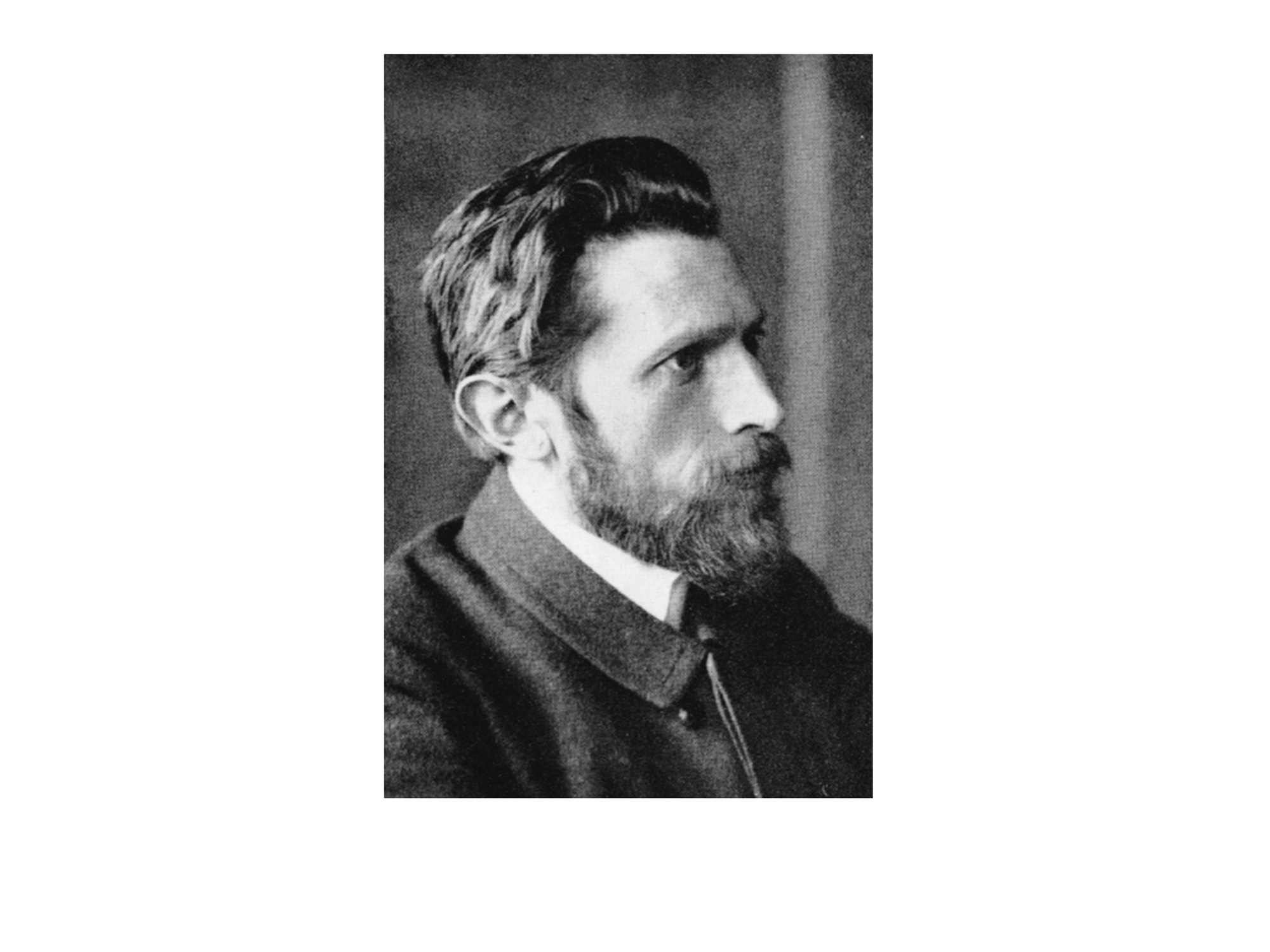
Oskar Schmiedel (1887–1959) was the first to conduct research on Rudolf Steiner’s family. He personally visited descendants of the Blie and Steiner families and received photos from them – the portraits depicted here come from his collection (now the Goetheanum Archive). Rudolf Steiner’s ancestors – as far as they can be traced back – lived in a manageable geographical radius: in the Waldviertel (northeastern Austria) and in neighboring Moravia. All were craftsmen: farmers, millers, hunters, foresters, weavers, whitewashers, gingerbread bakers.…

Martina Maria Sam · 25 February 2022 · 14 min

Miss Sabashnikov – Anthroposophy, Russia, and Christian Paintings

Miss Sabashnikov – Anthroposophy, Russia, and Christian Paintings

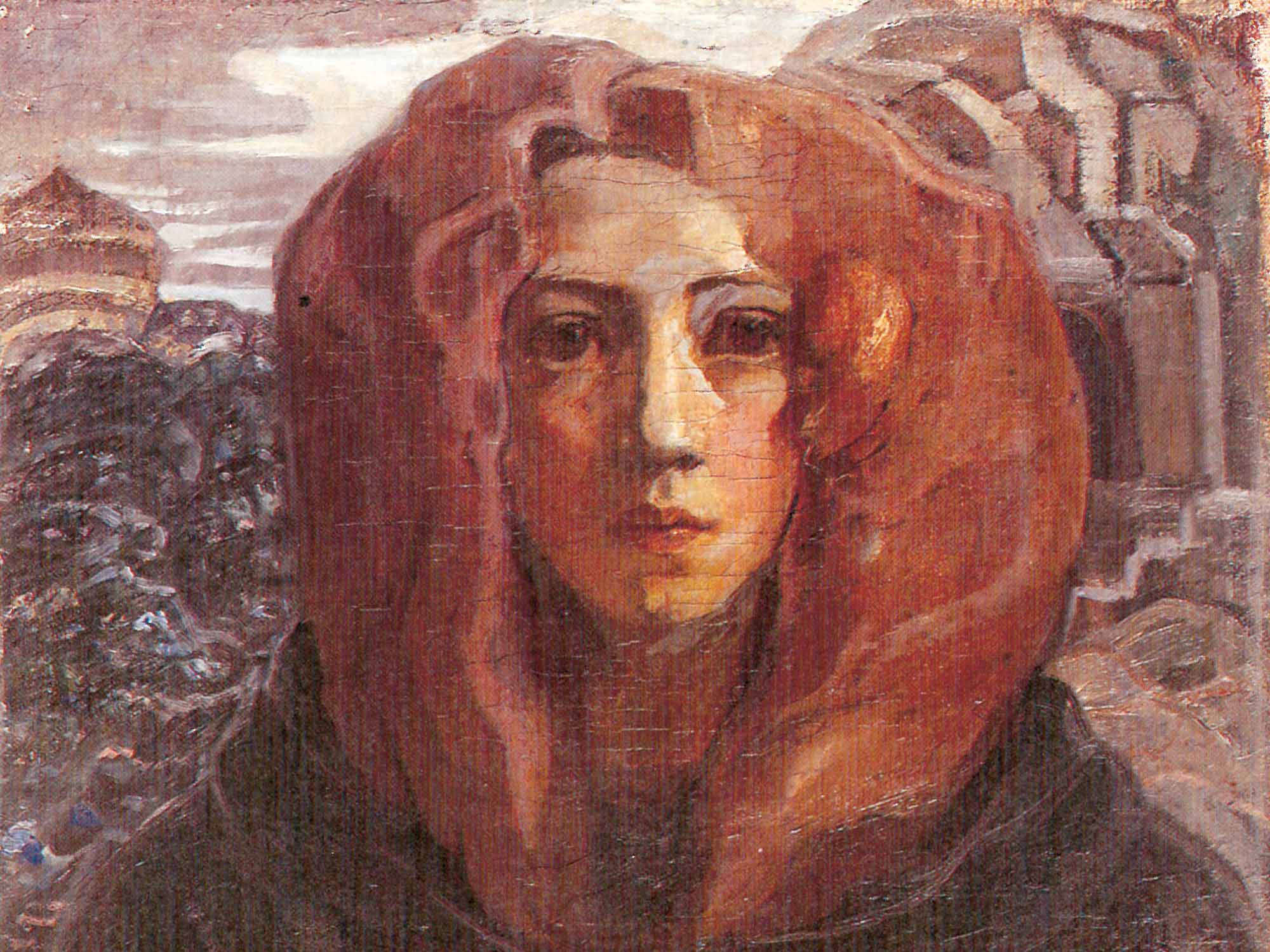
Margarita Woloschina found answers to her questions of life and knowledge in Rudolf Steiner and in anthroposophy. As a painter, she developed a new art in which she sought Christ and completed her work with great seriousness and completely unsentimental. The Waldorf teacher Ernst Weißert wrote in 1972 on the occasion of the 90th birthday of Margarita Woloschina (1882–1973): «This Russian person, who has been at home in Germany for forty years, lives among us, despite all the familiarity, enigmatic…

Peter Selg · 11 February 2022 · 11 min

What Do I Mean by the Culture of the Sentient Soul?

What Do I Mean by the Culture of the Sentient Soul?

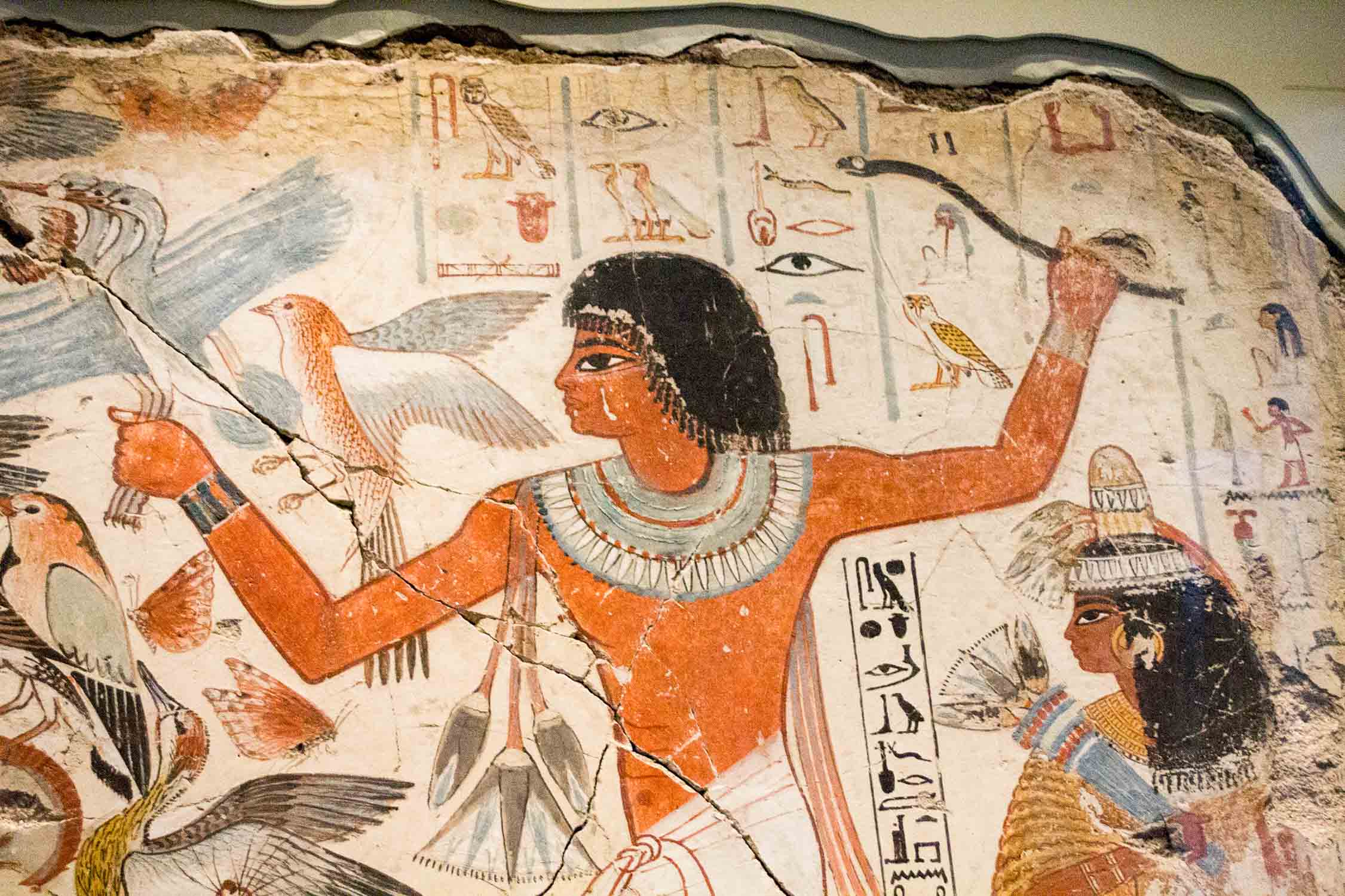
Human consciousness is subject to the law of evolution. In the history of mankind, the epoch of feeling or the sentient soul precedes the first appearance of thinking, the epoch of the intellectual soul. All cultural phenomena of Egypt belong to this first stage but naturally lead to the second. Characteristic of Egypt and the nature of its culture is its very origin. It appears all at once. Now, the whole country is united and managed uniformly under one king,…

Frank Teichmann · 11 February 2022 · 1 min

Jimmy Carter and the Other America

Jimmy Carter and the Other America

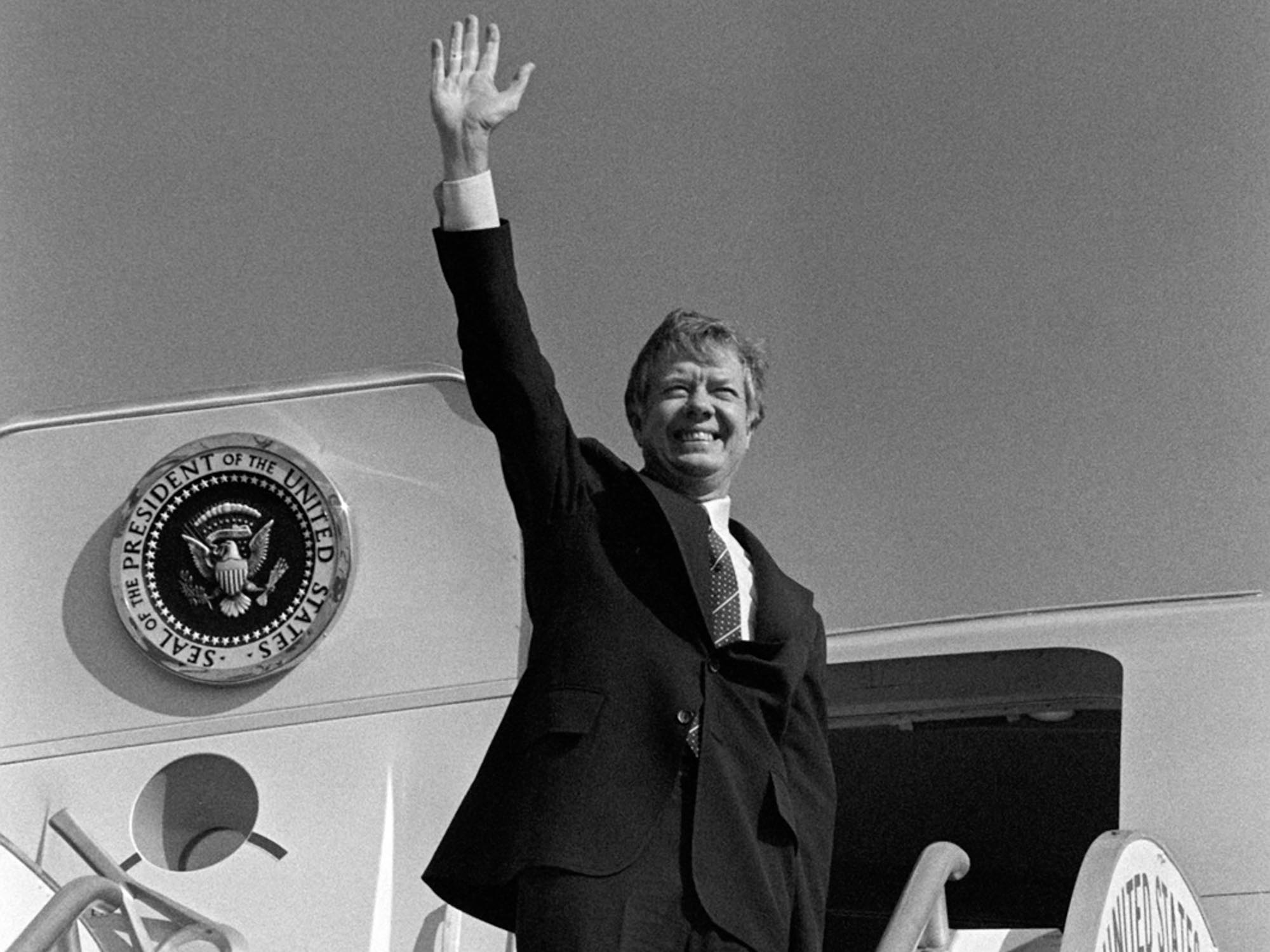
A look at the United States is unavoidable. Especially for the past several decades, the world power has shown itself with different faces. The increasingly clear division of the country and fragmentation within the population, which showed its climax so far in the disastrous presidency of Donald Trump, has an impact on the whole world. When we speak of a double face, we usually look at the negative side: never-ending racism, human rights violations, social and societal injustices, religious and…

Harald Kiczka · 07 January 2022 · 7 min

Vladimir Korolenko and the October Revolution in Russia

Vladimir Korolenko and the October Revolution in Russia

The other view of the contemporary witness Vladimir Korolenko – translated by Rosa Luxemburg. On the 100th anniversary of the human rights activist’s death. While in prison in Breslau, Rosa Luxemburg edited the work of the Russian writer and humanist Vladimir G. Korolenko in prison in Wrocław, whose stories she translated into German. In addition to a very detailed overview of modern Russian literature, she translated, notably, the autobiography of Korolenko, ‹Die Geschichte meines Zeitgenossen› (The Story of My Contemporary…

Peter Stühl · 07 January 2022 · 7 min

Our Century’s Meister Eckhart

Our Century’s Meister Eckhart

For the 150th Birthday of Michael Bauer (1871–1929). In his recollections of Rudolf Steiner, the Russian symbolist and Anthroposophist Andrej Belyj wrote at one point: «Since 1915 I have had the good fortune to get to know Michael Bauer better, to visit him and to ask him for advice; and although I was able to see the Doctor (Steiner) at the time, I have to admit: Bauer’s advice, the conversations with him, his wisdom, unfathomable, profound word, which sometimes took…

Peter Selg · 12 November 2021 · 16 min

How It Began

How It Began

Recounting the turbulent beginning of the Wochenschrift [the Goetheanum Weekly]—the work of an anthroposophical community—and the personalities that brought it into being. Setting Off Under Adverse Circumstances In the early 1920s, with the construction of the Goetheanum and the advent of Social Threefolding, Rudolf Steiner and anthroposophy were in the public eye, and controversy arose as never before—Steiner had become a public figure, making waves that drew attention from the press and his opponents. This prompted the concert agency Wolff…

Ruedi Bind · 13 August 2021 · 32 min

Why Didn’t Rudolf Steiner Take a Final Examination at the Technical College?

Why Didn’t Rudolf Steiner Take a Final Examination at the Technical College?

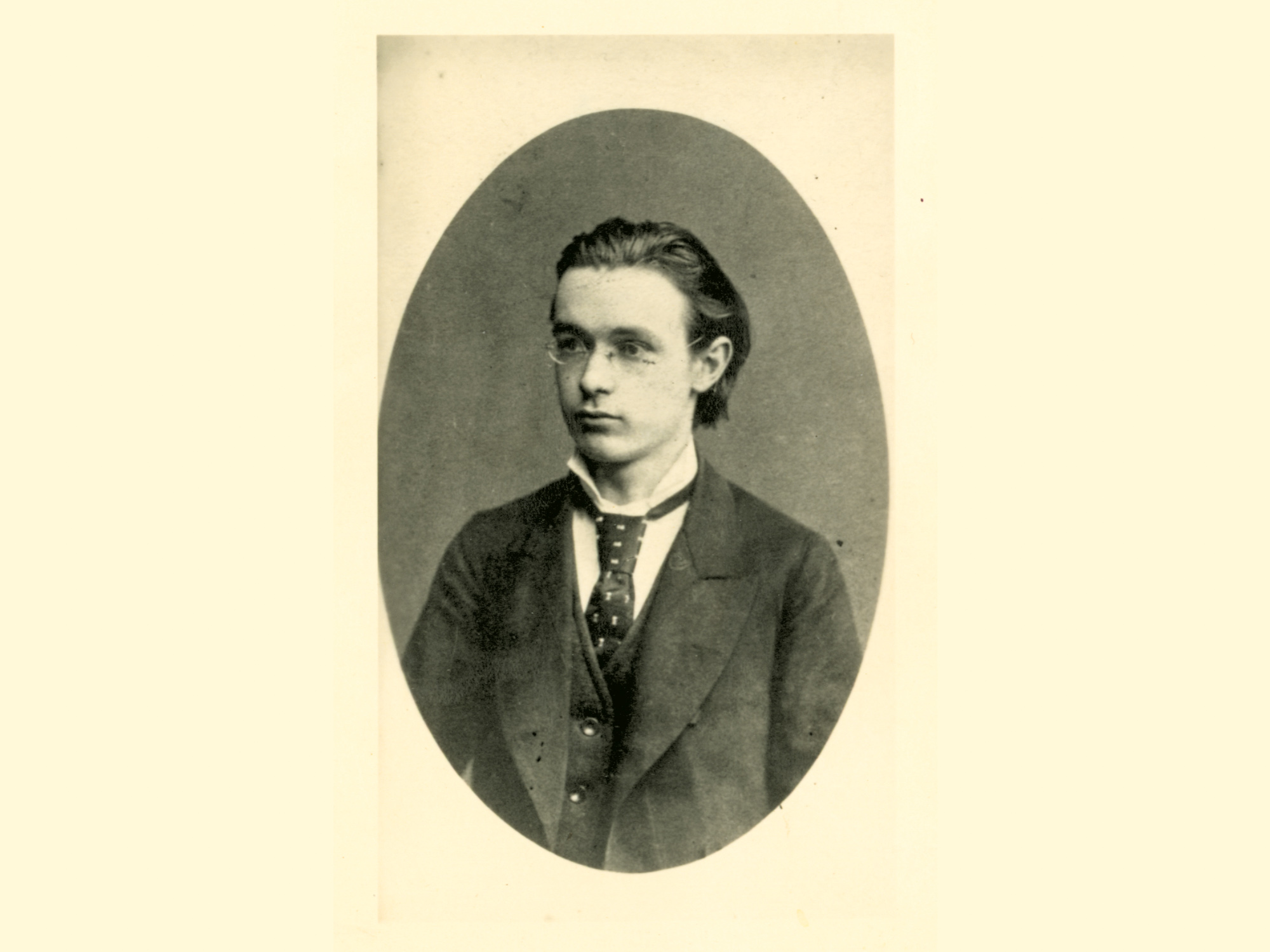
Marginalia on Rudolf Steiner’s Life and Work. Rudolf Steiner studied for eight semesters [1879–83] at the Technical College in Vienna—as a student of the “General” Department, which existed alongside the specialist departments: The School of Engineering, the School of Architecture, the School of Mechanical Engineering, and the School of Chemistry. The General Department encompassed all subjects that could not be clearly assigned to one of the four existing specialist schools. Around 1880, this included mathematics, descriptive geometry, and physics, as…

Martina Maria Sam · 05 November 2020 · 7 min

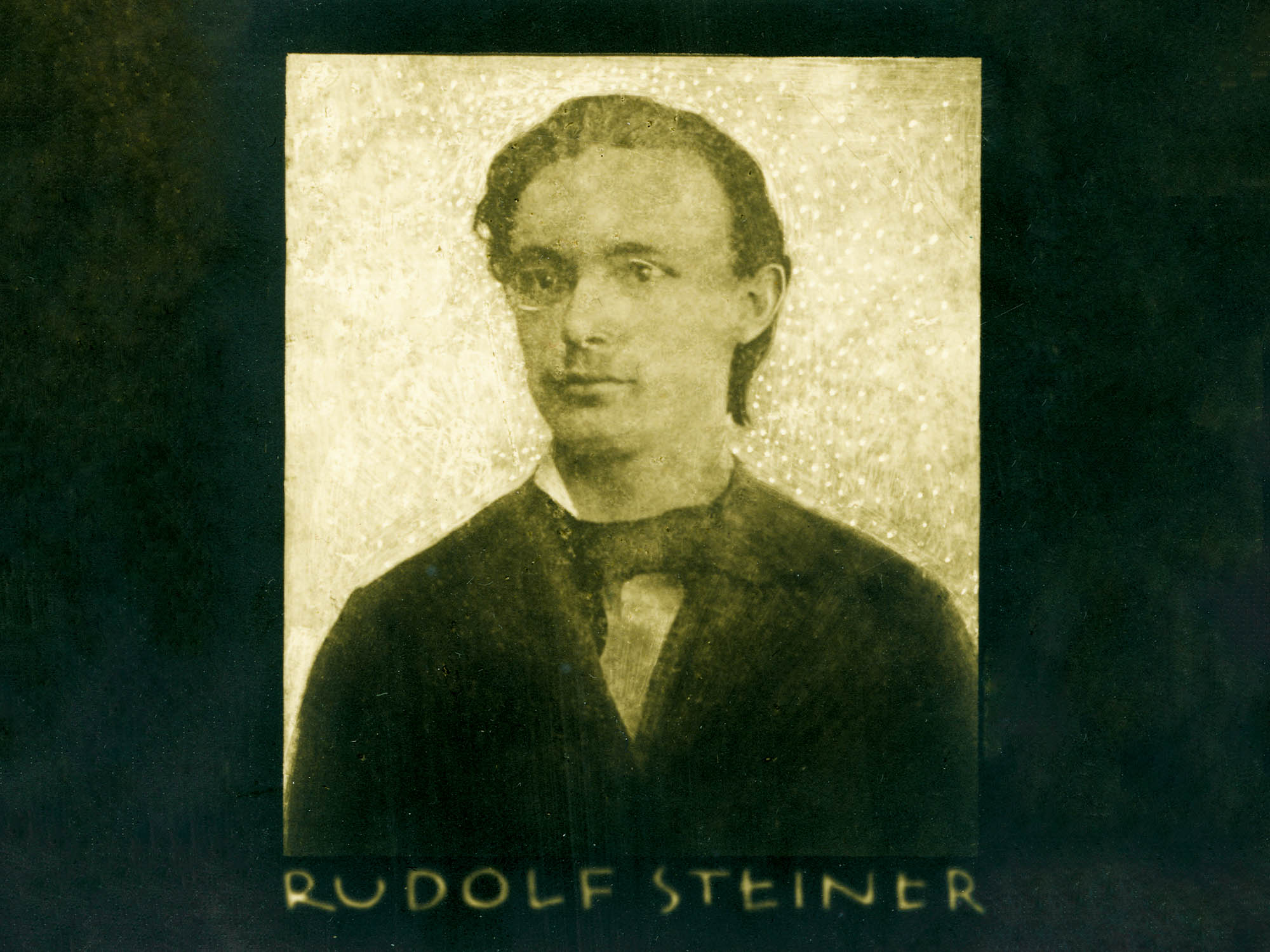
Luise Kautsky-Ronsperger and a Special Photograph of Rudolf Steiner

Luise Kautsky-Ronsperger and a Special Photograph of Rudolf Steiner

One of Rudolf Steiner’s closest friends during his first years of study was Rudolf Ronsperger (Aug. 29, 1863–Oct. 2, 1890), the son of the Jewish Viennese master confectioner Felix Ronsperger. Some of Rudolf Steiner’s early letters come from Ronsperger’s estate and give us an intimate look into what he was occupied with during the summer of 1881.The letters were in the possession of Karl Kautsky Jr., the second son of Luise Kautsky, who “made his living as a doctor in…

Martina Maria Sam · 16 October 2020 · 7 min