Section

Natural Sciences

← Nature

82 articles

A Bridge Builder

A Bridge Builder

For 35 years, Johannes Wirz supported and significantly shaped the work at the Research Institute at the Goetheanum. With his profound knowledge of modern biology, he was able to show that Goethe’s outline of a theory of organic nature was not a critique but an extension of basic biological research. A person, then, who builds bridges regarding the scientific nature of anthroposophy. The burning question of what life is initially led Johannes Wirz to study molecular biology at the University…

Johannes Kühl und Ruth Richter · 03 March 2023 · 5 min
From Earth to Heaven and Back

From Earth to Heaven and Back

The leadership of the Natural Science Section changed in the new year. Johannes Wirz handed along his position to Vesna Forštnerič. The new leadership now consists of her and Matthias Rang. This offers a good opportunity for a look at the work and relevance of anthroposophical natural science. Gilda Bartel asked the questions. Dear Ms. Forštnerič Lesjak, dear Mr. Rang, what did you appreciate about Johannes Wirz’s work? Vesna Forštnerič: I met Johannes Wirz eleven years ago, when he was…

Matthias Rang und Johannes Wirz · 02 March 2023 · 11 min

Wolfgang Schad – a German Scientist

Wolfgang Schad – a German Scientist

The German evolutionary biologist, anthroposophist and Goetheanist Wolfgang Schad (1935-2022) was one of my most significant teachers, and probably for many others as well. He belongs to the generation of Goetheanists who encountered anthroposophy as scientists and understood Steiner not as a stimulus for beliefs, but as a source of compelling hypotheses that needed to be tested. Schad was born in Germany on July 27, 1935, in Biberach an der Riss, where he spent the first years of his life in…

Nana Göbel · 10 February 2023 · 17 min

Short Impromptu Lectures

Short Impromptu Lectures

On the 150th anniversary of Goethe’s death, Schad gave a lecture in the hall of the Waldorf School Uhlandshöhe in Stuttgart, in which he compared assumptions of the normal natural scientist with the attitude of many autistic people. His remarks remain unforgettable to me. I got to know him better in the Deutscher Mitarbeiterkreis [German Employee Group], an association of researchers within the German Anthroposophical Society, in which Schad played an important role for a long time. He brought about…

Martin Kollewijn · 10 February 2023 · 1 min

Wolfgang Schad’s Path to the Christ-Michael Language via Nature

Wolfgang Schad’s Path to the Christ-Michael Language via Nature

Rudolf Steiner wrote in the last months of his life: «If we speak today in such a way that our thoughts can also be those of Christ, we oppose the Ahrimanic powers with something that protects us from falling for them. To understand the meaning of Michael’s mission in the cosmos is to be able to speak in this way. […] Not only through salvation from nature, not only through soul and divineness, should we learn the Christ language, but through…

Volker Harlan · 10 February 2023 · 4 min

Who Dances with the Polarities

Who Dances with the Polarities

From October 6th to 9th, at the fall conference of the Natural Sciences Section at the Goetheanum, polarities in human beings became the subject of joint research. The discussions revolved around the polarity of inner life and external knowledge, as well as the polarity of nature and technology and thus between supernature and sub-nature. «In the rhythm of waking and sleeping, we all feel an interweaving of the two poles.» With this note, Johannes Wirz introduced the participants to the…

Ruth Richter · 24 November 2022 · 11 min

Freed from Occult Captivity?

Freed from Occult Captivity?

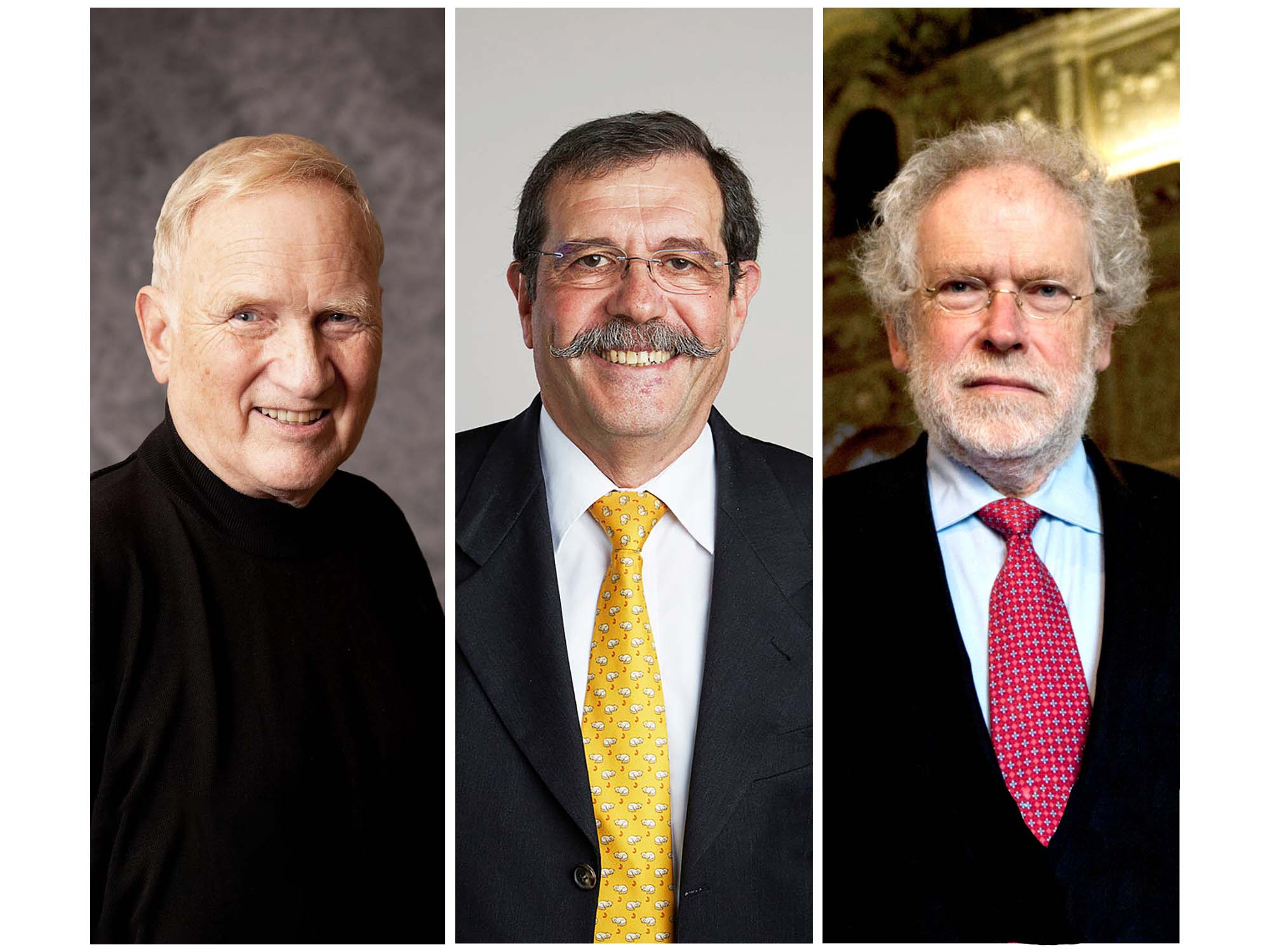
The three 2022 Nobel Laureates in Physics – John Clauser, Alain Aspect, and Anton Zeilinger – have experimentally shown that quantum physics is more than an idea or theory of understanding matter. There is probably only one occasion on which Rudolf Steiner did not use the term ‹occult captivity› in an ‹esoteric class› concerning Helena Blavatsky, and that was on August 31, 1923, in Penmaenmawr, UK. There, he describes the intention of Ahrimanic beings to surround humanity with atomistic and…

Johannes Kühl · 27 October 2022 · 4 min

Homo Sapiens and Their Companions

Homo Sapiens and Their Companions

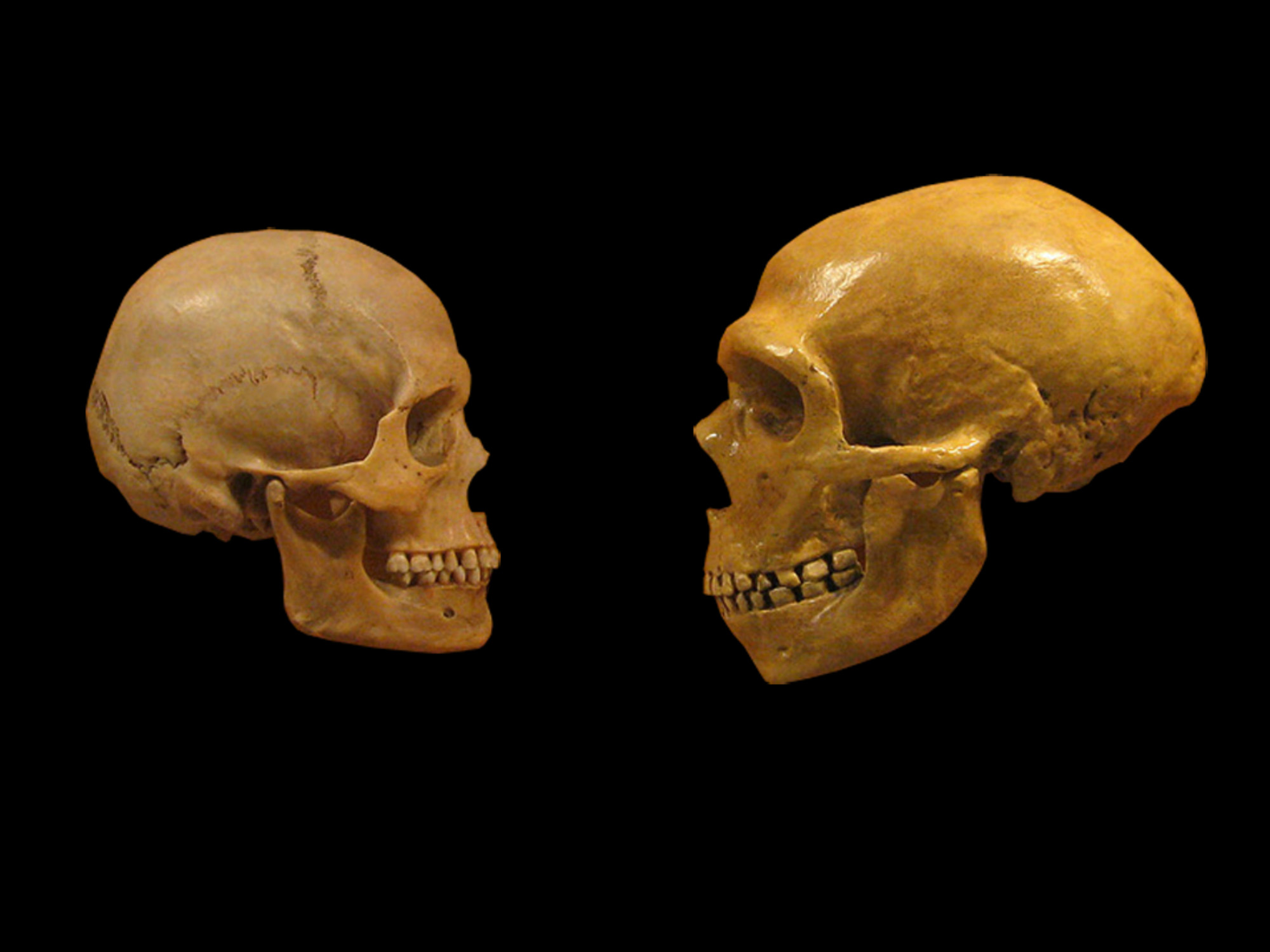
It is rare for the Nobel Prize in Medicine to be awarded to someone who is not researching topics with clinically or therapeutically relevant results. Svante Pääbo, a Swedish scientist and director at the MPI in Leipzig, has achieved it. His discoveries have consequences for the Anthroposophical interpretation of the origin of human beings. Already during his doctorate in the 80s, Svante secretly began isolating and sequencing DNA from an Egyptian mummy. An article published about it in 1985 aroused…

Johannes Wirz · 21 October 2022 · 5 min

Questions and Answers on Cosmosophy

Questions and Answers on Cosmosophy

Below are responses to questions that may naturally arise from the content of the author’s pervious essay, ‹Modern Cosmology is Untenable for a Free Thinker›. Most of these questions were posed by a colleague of the author who is a Christian and a PhD physicist but not well-versed in Anthroposophy. Q: If cosmosophists learn about the cosmos through meditation, how do they verify and share with each other, or is that not possible? A: A cosmosophist verifies their findings in…

Matthew Kenyon · 07 October 2022 · 7 min

Modern Cosmology is Untenable for a Free Thinker

Modern Cosmology is Untenable for a Free Thinker

Matthew E. Kenyon is a lifelong student of Rudolf Steiner as well as a Ph.D. physicist who has worked for NASA’s Jet Propulsion Laboratory for over twenty years on various projects including next-generation technology for future space telescopes beyond the recently launched James Webb Space Telescope. This essay reflects his effort to reconcile his spiritual and professional work. From the perspective of conventional science, the cosmology of Rudolf Steiner found in his ‹Outline of Occult Science› and elsewhere in Anthroposophy…

Matthew Kenyon · 07 October 2022 · 16 min

Who Dances with the Polarities

Who Dances with the Polarities

Today, life is shaped by polar impulses that come from nature and technological developments. The conference of the Natural Science Section from October 6 to 9 will shed light on the spiritual effects of the poles on us humans. By observing our interactions with digital technology and nature, we work out the forms and gestures that underlie both. As humans standing between Heaven and Earth, we embody reactions to the polarities within which we exist. A rhythmic change characterizes heartbeat…

Redaktion und Matthias Rang · 18 August 2022 · 1 min

Phenomenology Day

Phenomenology Day

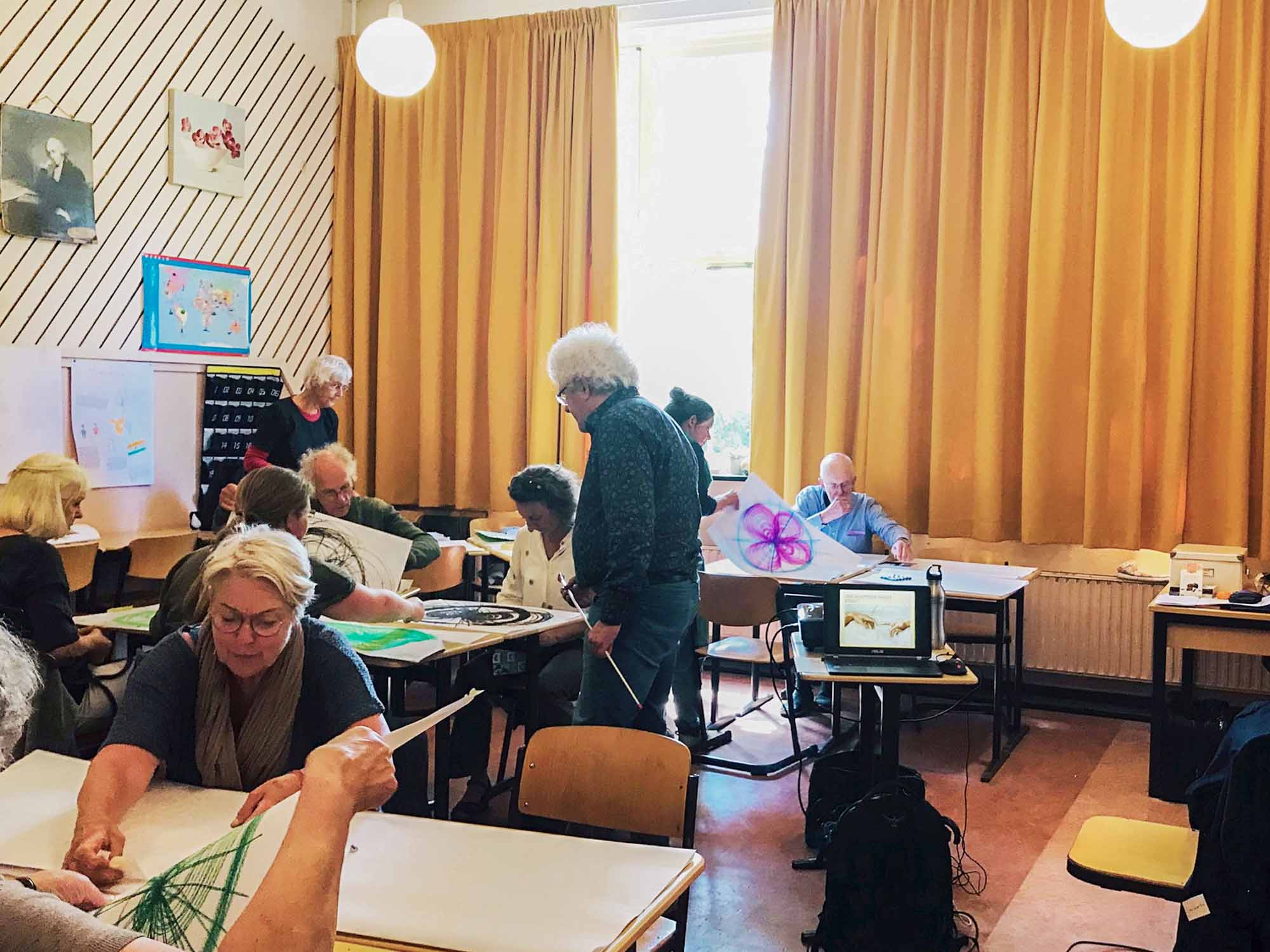
On May 14, the Day of Phenomenology took place for the second time to ensure more awareness of phenomenology among the Dutch public. This day was the ‹crowning achievement› of our Goetheanistic phenomenological courses, which we have been conducting for laypeople for five years on topics such as plants, trees, birds, rocks, water, and chemistry. We also wanted to reach young people and teachers so that a new generation of people interested in phenomenology can come up. Jaap van der…

Silfriede Bos, Antoon van Hooft, Willemien Roelse und Wolter Bos · 08 July 2022 · 1 min